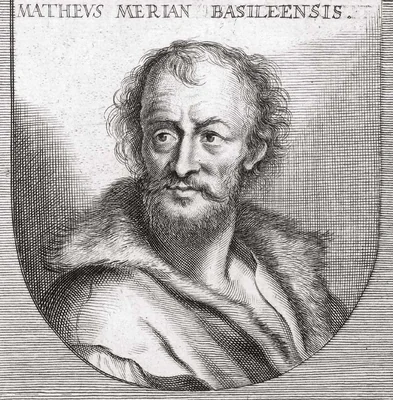
Matthäus Merian
Matthäus Merian the Elder (Matthäus Merian der Ältere) occupies a vital position at the intersection of printmaking and commercial publishing in 17th-century Europe. Although born in Switzerland and hailing from the patrician Basel Merian family, his most influential professional period centered on Frankfurt, Germany, where he established one of the era’s most successful publishing houses.
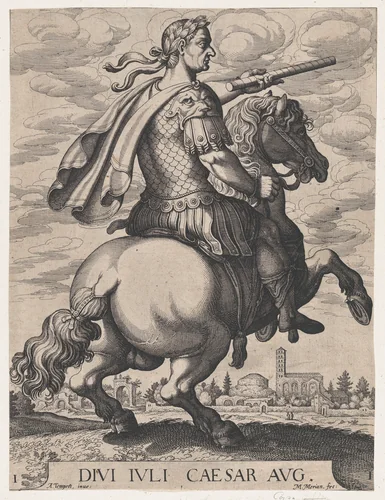
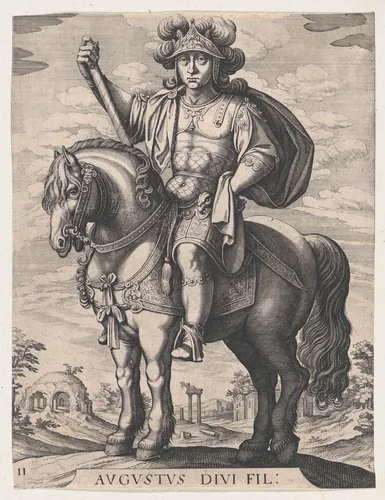
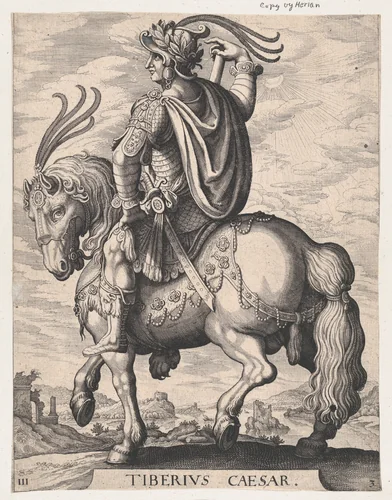
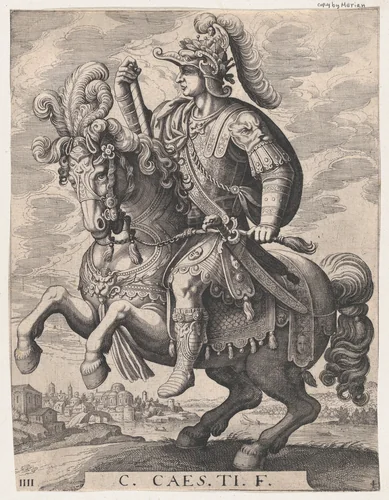
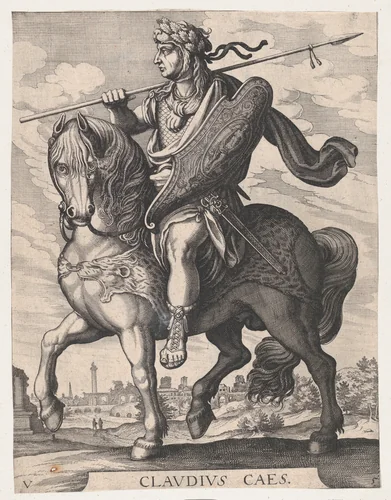
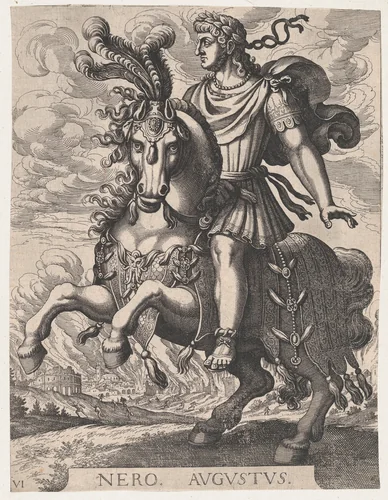
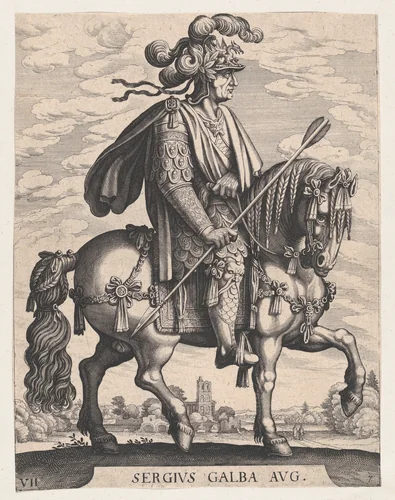
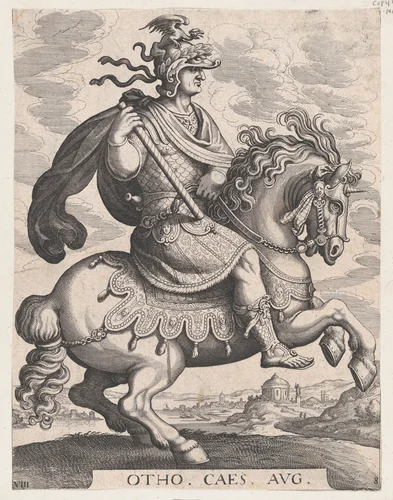
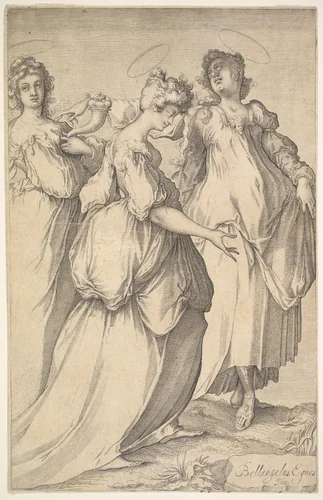
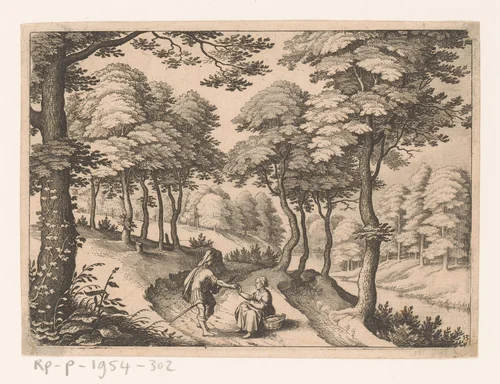
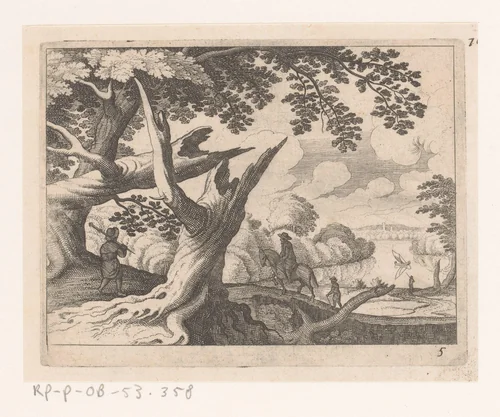
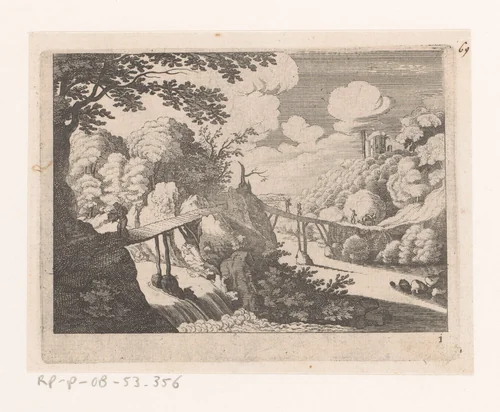
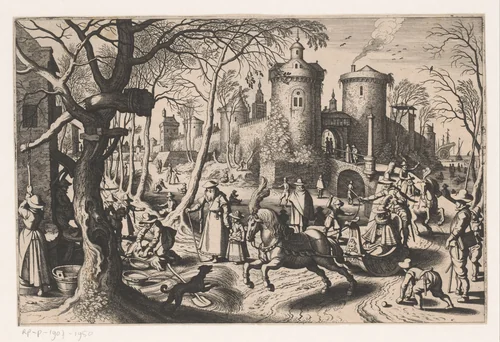
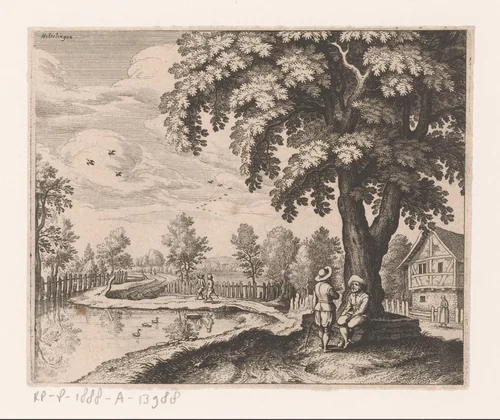
Merian began his career exclusively as an engraver, specializing in highly detailed copperplate renderings. The foundational works dating from the early 1600s, such as Boeren steken een rivier over and the intricate Perspectival Study with a View of a Medieval City, reflect his nascent mastery of both descriptive imagery and technical perspective. Works like the focused religious scene Drie heilige vrouwen and the topographical Dorpsgezicht met kar demonstrate the breadth of his early output, combining artistic skill with a meticulous, almost journalistic impulse to document his immediate environment. These early prints survive today in major international collections, including the Rijksmuseum and the Metropolitan Museum of Art.
While these initial artistic achievements established him as a highly proficient draftsman, Merian’s lasting historical impact stemmed from his transformation of the family trade into a publishing empire. Operating out of Frankfurt, he became renowned for his illustrated atlases and comprehensive city views, particularly the multi-volume Topographia Germaniae. This immense body of work, comprising hundreds of views of cities, towns, and regions, set unprecedented standards for the dissemination of geographic and historical information across Europe.
Merian’s success demonstrates a pragmatic yet artistic vision; he was one of the first major artists to realize that the print medium served not merely aesthetic value, but possessed immense power for mass communication and commercial viability. That this ambitious entrepreneur, who fundamentally shaped the visual identity of early modern Germany, was first and foremost an acute draftsman is a compelling observation. Given the age and historical significance of his originals, many digital reproductions of Matthäus Merian prints are today accessible in the public domain, offering highly detailed downloadable artwork for contemporary study, a fitting modern legacy for a figure who revolutionized accessibility.
Source: Wikipedia · CC BY-SA 4.0