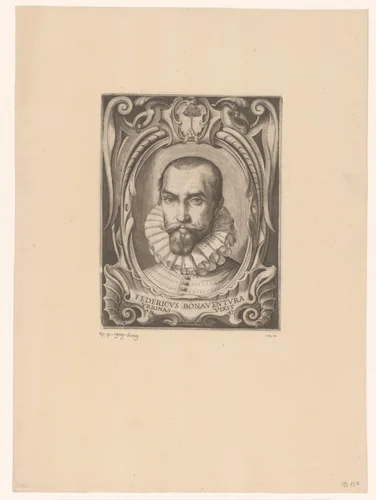
Matthäus Greuter
Matthäus Greuter, born in 1564, was a pivotal German engraver and etcher whose career flourished in Rome, where he was known to his Italian patrons as Matteo Greuter. Active for decades, from at least 1564 until his death in 1638, Greuter specialized in the demanding field of cartographical prints, a highly specialized discipline that required both artistic finesse and rigorous technical accuracy. This dual skill set made his workshop essential for the era’s expanding visual documentation of the known world.
Unlike many of his printmaking peers who focused solely on portraiture or religious scenes, Greuter’s primary output was informational. His technical mastery allowed him to translate complex geographical and astronomical data into precise, reproducible copperplate engravings. His sustained success in Rome, working outside the traditional German print centers, allowed him to develop a distinctly pan-European style, mixing Northern meticulousness with Italian grandeur. It is perhaps telling that although renowned for rendering accurate maps, he also excelled at capturing distinct human character, suggesting he valued clarity in both space and figure.
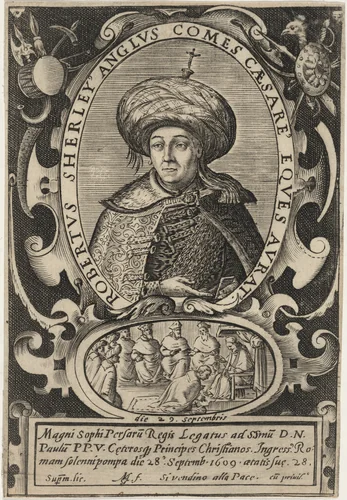
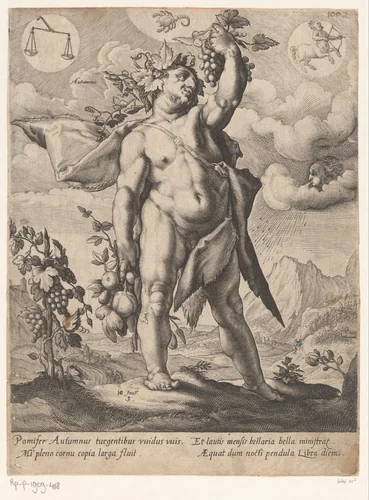
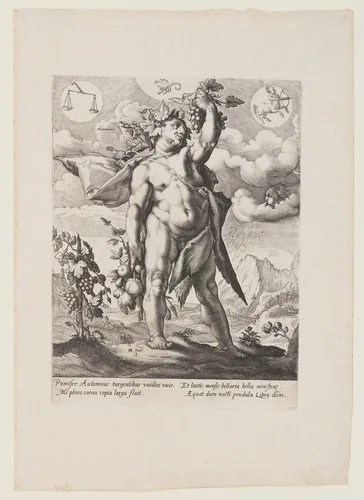
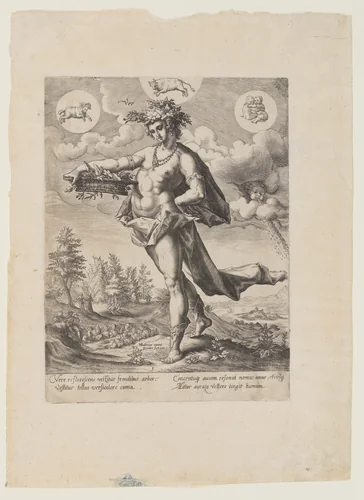
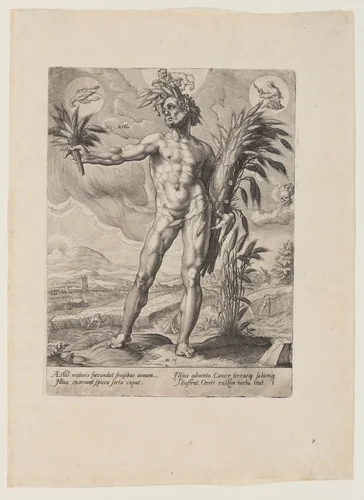
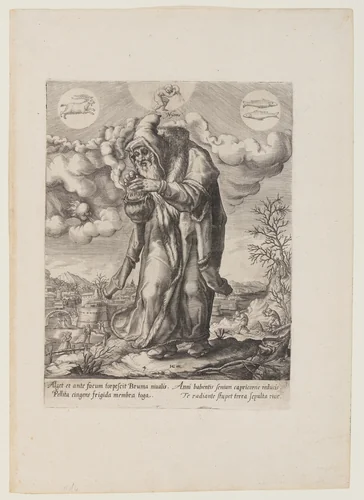
His figural work, though smaller in quantity than his maps, highlights this precision and variety. He produced detailed allegorical cycles, such as the ambitious suite depicting the seasons: Spring, from The Four Seasons, Summer, from The Four Seasons, and Autumn, from The Four Seasons (sometimes titled Herfst). These works demonstrate a keen eye for allegory and natural detail, often executed with the same fine line work one expects from a master mapmaker. His powerful portrait of the English adventurer, Sir Robert Shirley, is another striking example of his ability to imbue portraiture with historical weight.
The enduring quality of his draftsmanship ensures Greuter’s representation in major global institutions, including the Rijksmuseum, the National Gallery of Art, and the Art Institute of Chicago. Greuter’s legacy rests upon his critical contribution to the visual record of the Age of Exploration. The detailed precision evident in his body of work secured his reputation during his lifetime and ensures his continuing relevance for scholars of both art and geography. Fortunately, many of his masterful etchings and engravings are now in the public domain, making high-quality prints and downloadable artwork widely available for study and appreciation. Searches for Matthäus Greuter prints frequently lead to impressive museum-quality collections.
Source: Wikipedia · CC BY-SA 4.0