Matsumura Goshun
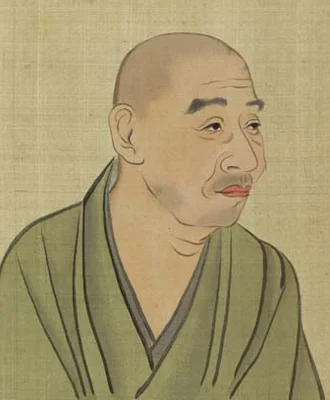
Matsumura Goshun (1752-1821), also referred to by his formal name Matsumura Gekkei, stands as a pivotal figure in the history of Japanese painting, celebrated primarily as the founder of the Shijō school. Active during the latter half of the Edo period, his aesthetic represents a sophisticated synthesis of scholarly tradition and accessible naturalism, fundamentally altering the trajectory of art in Kyoto and establishing a visual vernacular that endured well into the modern era.
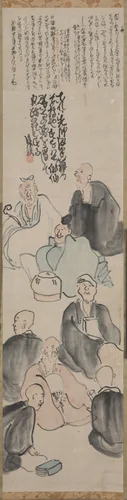
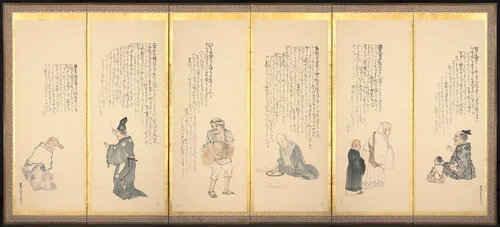
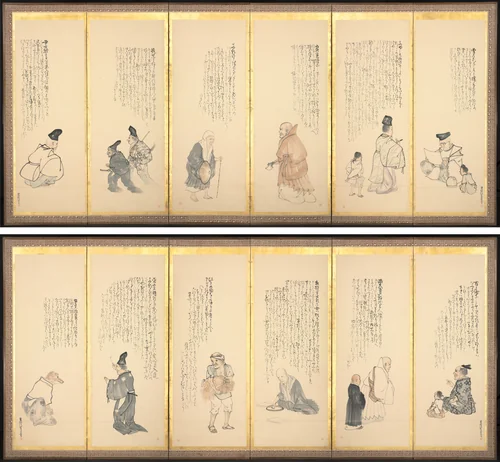
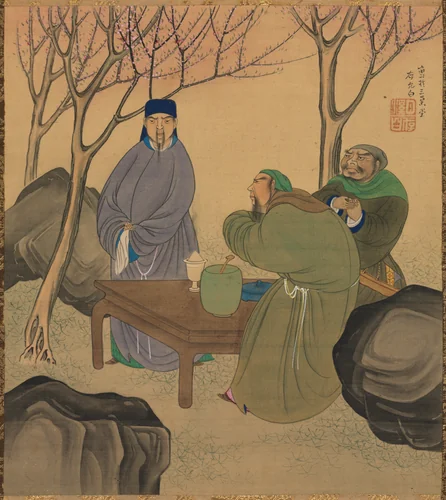
Goshun’s initial artistic foundation was laid under the tutelage of the renowned painter and haiku master Yosa Buson (1716-1784). Buson was a leading proponent of the Nanga or Japanese Southern school, an intellectual style prioritizing ink-based techniques and Chinese literary ideals. Goshun absorbed this scholarly framework, evident in the refined brushwork of early compositions such as A Poetic Gathering.
However, Goshun’s true innovation lay in his ability to temper Buson’s elegant scholarship with a lighter, more approachable aesthetic. The resulting Shijō school style, named for the street in Kyoto where he resided, moved away from pure aristocratic or official academic taste toward a realism rooted in acute observation and quiet wit. This combination proved irresistible to Kyoto’s growing merchant class, ensuring the school's wide popularity. It is perhaps a sign of his broad appeal and versatility that he required two names to contain his various artistic endeavors.
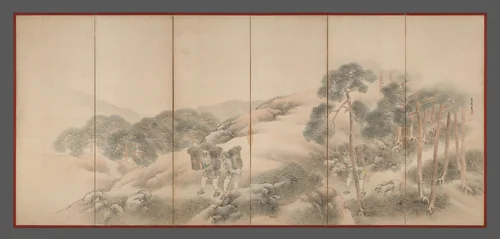
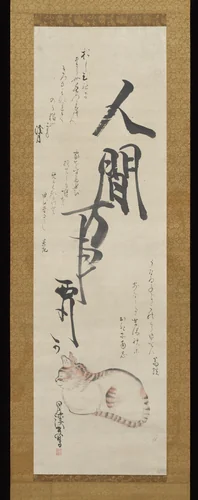
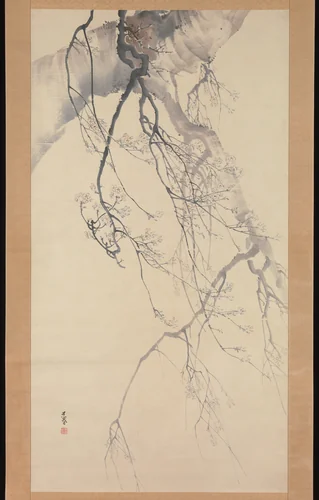
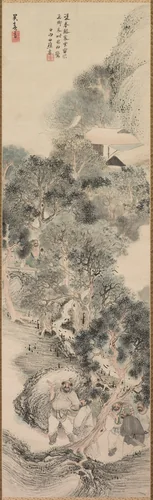
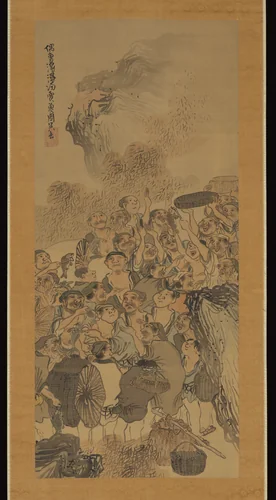
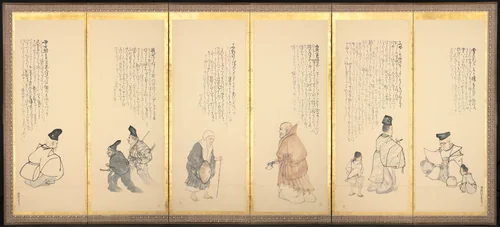
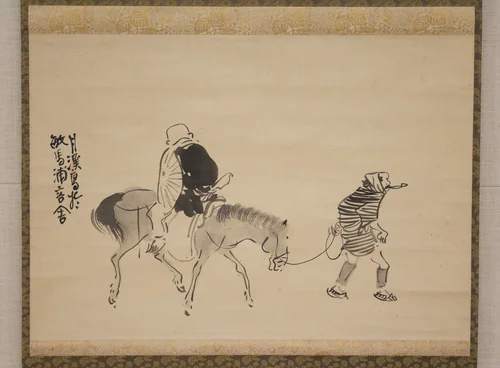
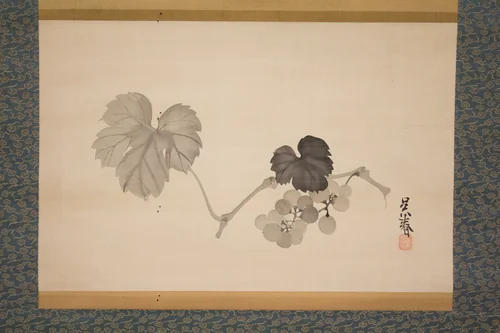
Goshun excelled at capturing the fleeting beauty of the natural world, whether depicting the delicate transparency of Cherry Blossoms or the human element found in Woodcutters and Fishermen. He also demonstrated a playful touch, seen in works like the delightful, slightly irreverent Cat with Poems: Pictorial Parody of Priest Saigyo's Legend.
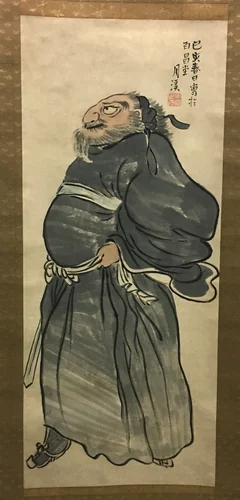
Today, the finest examples of Matsumura Goshun paintings are preserved in major international institutions, including the Metropolitan Museum of Art, the Art Institute of Chicago, and the Cleveland Museum of Art. The mastery displayed in his work, such as the forceful yet restrained energy of Shoki the Demon Queller, establishes him as a critical master of the late Edo period. Fortunately, many of these museum-quality works are now in the public domain, ensuring his distinctive vision remains widely accessible through high-quality prints and downloadable artwork.
Source: Wikipedia · CC BY-SA 4.0