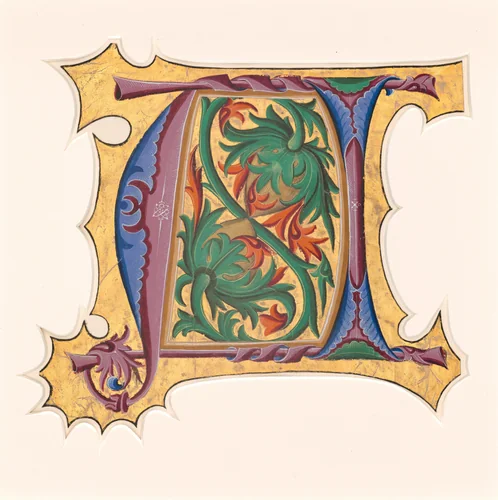
Master of the Cypresses
The Master of the Cypresses is the scholarly designation applied to an anonymous but highly influential painter and manuscript illuminator active in Seville during the first half of the fifteenth century, circa 1420-1440. This notname, coined by art historian Diego Angulo Íñiguez in 1928, acknowledges a cohesive body of drawing and illumination work centered on ecclesiastical commissions. The distinguishing feature, and the origin of the moniker, is the frequent inclusion of tall, slender, pointed green trees, closely resembling the Mediterranean cypress, used as atmospheric backgrounds in figural scenes.
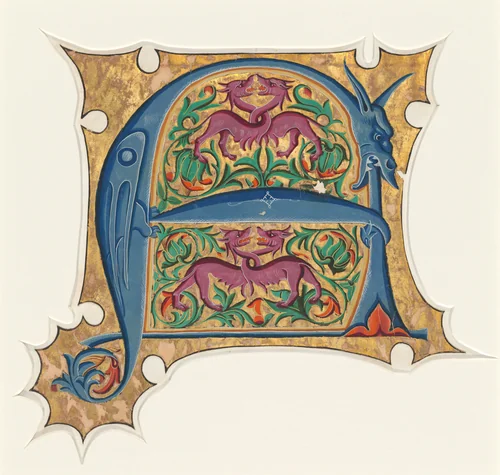
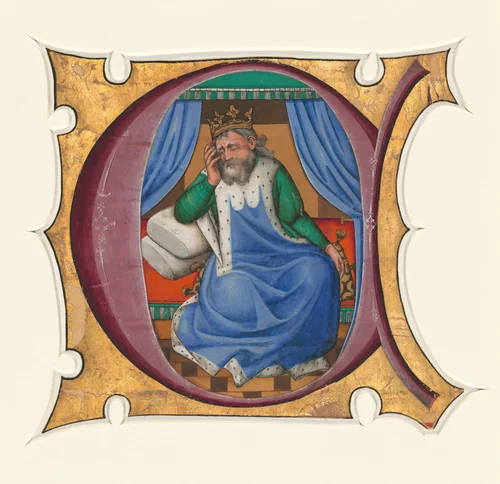
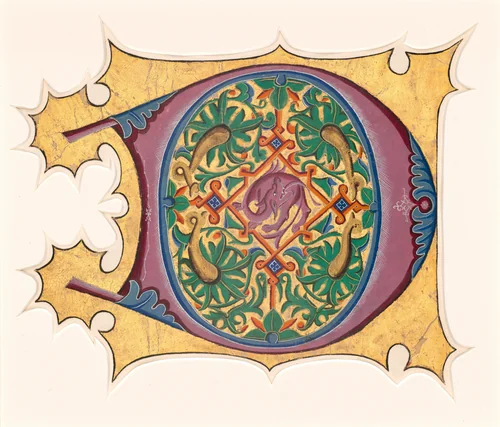
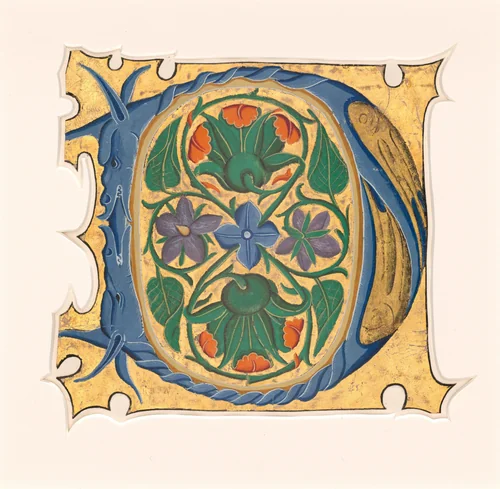
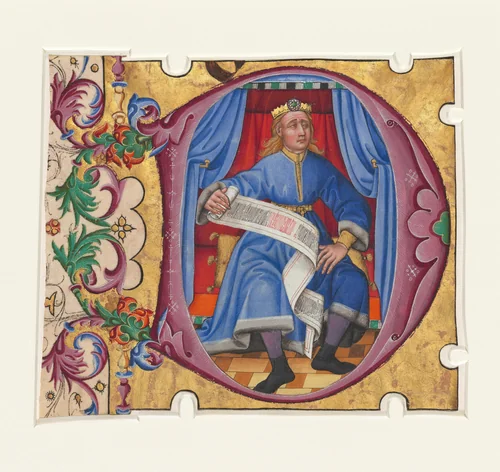
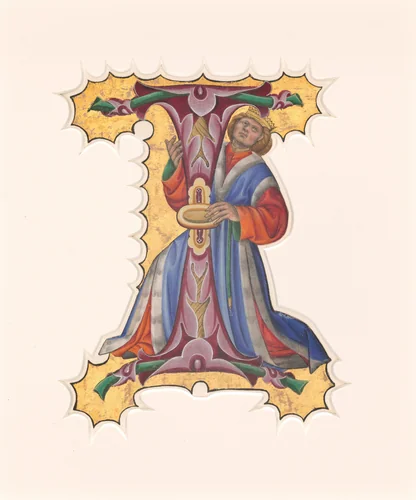
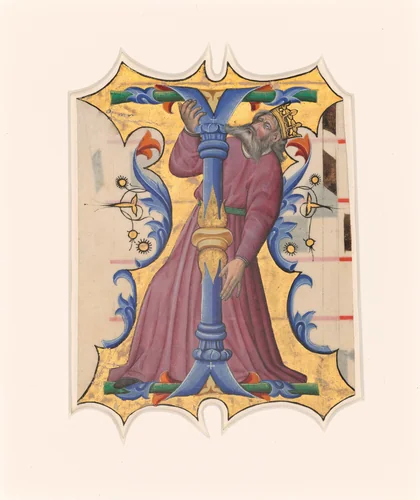
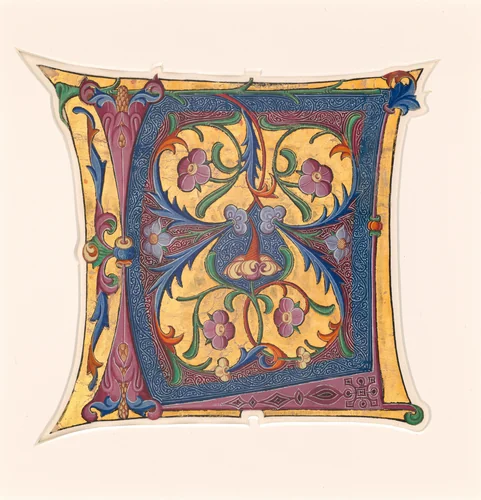
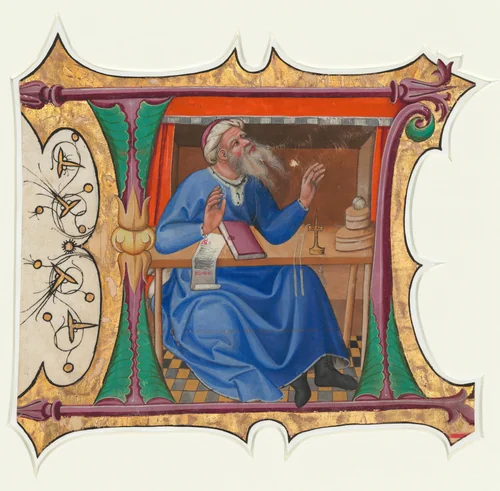
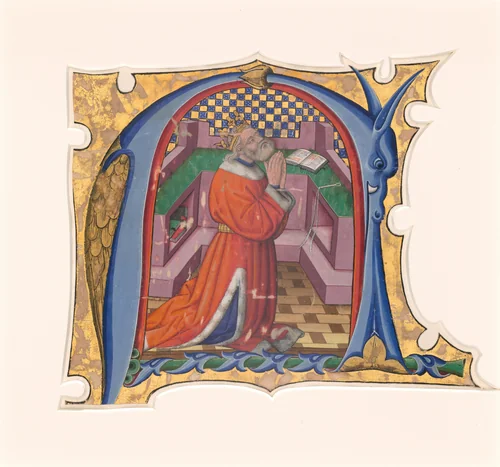
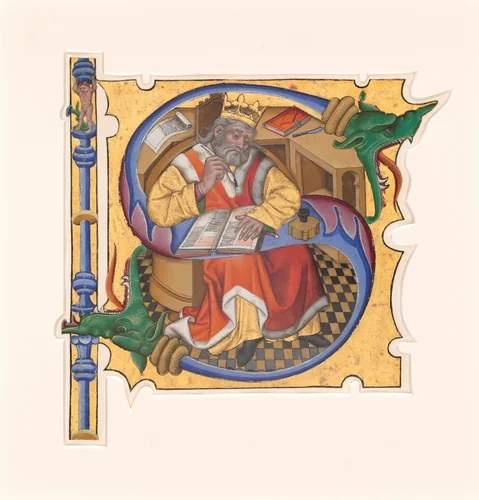
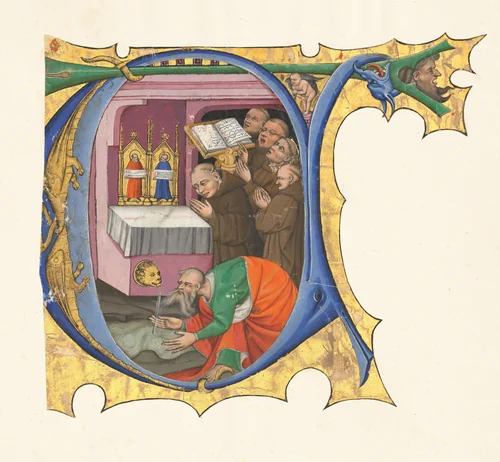
This master’s primary documented output consists of thirteen cataloged drawings and historiated initials crafted for choirbooks commissioned by Seville Cathedral. Works such as Initial C with David and Initial D exemplify the sophisticated synthesis of artistic traditions that define his technique. Art historians have noted a remarkable duality in his approach, blending the volumetric modeling and narrative emphasis associated with Italian proto-Renaissance masters like Giotto, with the detailed precision characteristic of emerging early Netherlandish painting. This integration of Northern European detail with Southern compositional rigor positioned the Master of the Cypresses at the forefront of stylistic innovation in Iberian illumination. Today, while few original Master of the Cypresses paintings are known outside institutional collections like the National Gallery of Art, the clarity of his drawing style ensures that high-quality prints and downloadable artwork based on his initials retain their museum-quality fidelity.
While the core of his documented oeuvre remains the illuminated choirbooks, further attributions expand his known artistic range. These include wall paintings discovered in the refectory of the Ex-Monastery of San Isidoro del Campo and the illumination of a significant bible currently housed at the El Escorial museum. Interestingly, despite the fame derived from his specific arboreal motif, those signature trees appear exclusively within the Seville Cathedral initials, suggesting a highly specific, perhaps bureaucratic, adherence to iconographic requirements elsewhere. This persistence of the notname highlights the difficulty in definitively linking the recognizable style to historical records, although the art historian Rosario Marchena Hidalgo has compellingly argued for the master's identification as Nicolás Gómez, offering a potential name to finally replace the anonymous cypress.
Source: Wikipedia · CC BY-SA 4.0