Master of the Aachen Madonna
The Master of the Aachen Madonna is known exclusively through a defined corpus of graphic art created during the early Northern European printmaking tradition. The artist was professionally active during a short period, dated approximately from 1460 to 1470. This period places the artist squarely within the nascent era of independent copperplate engraving.
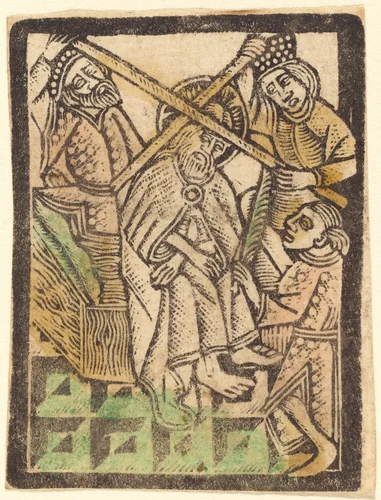
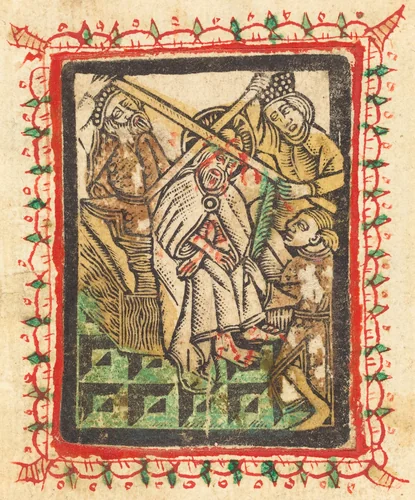
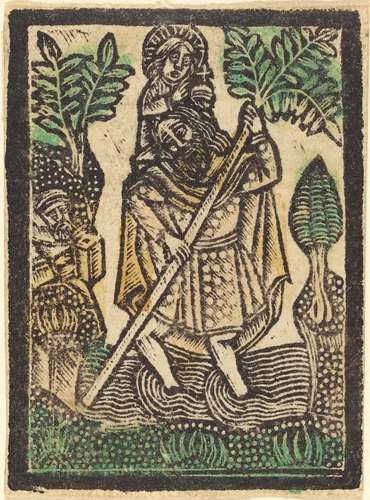
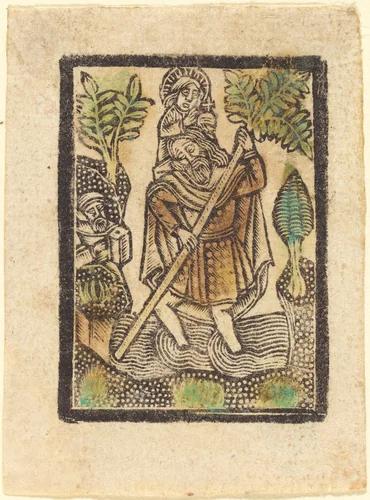
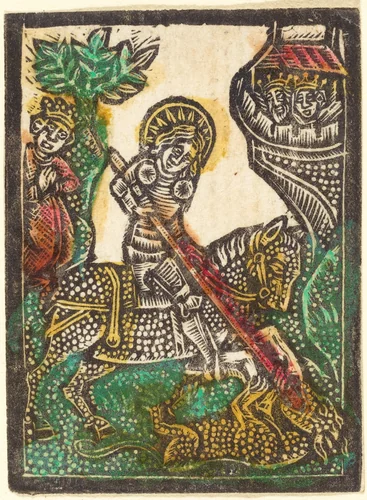
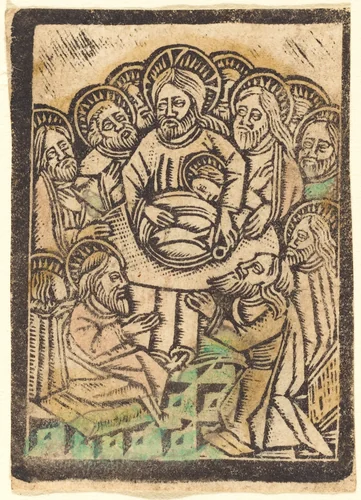
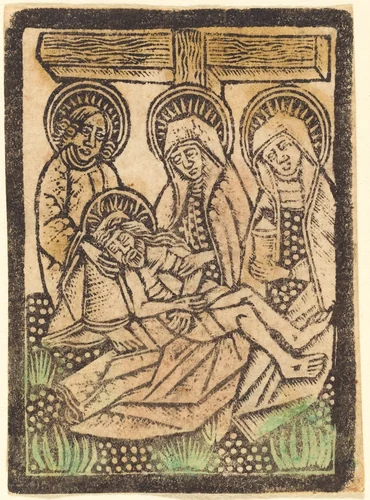
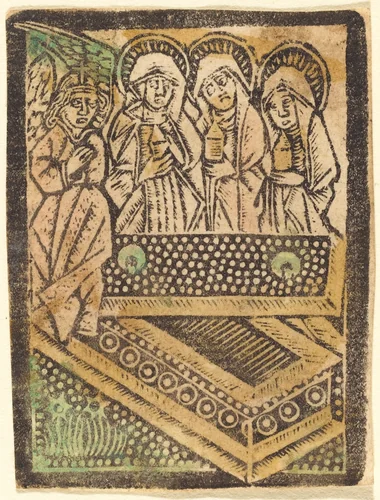
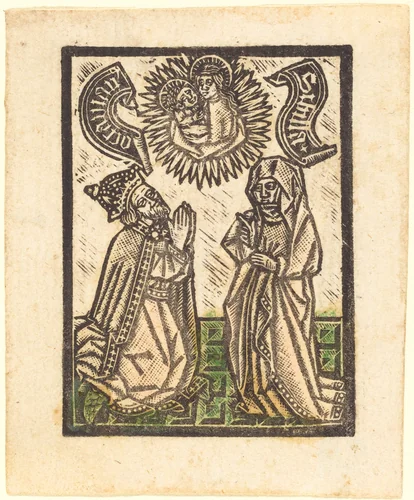
The known output attributed to the Master consists of prints. Records indicate 14 individual prints and one portfolio are represented in institutional holdings, establishing the artist's significance within early Germanic printmaking. These historically important works are preserved in major North American collections, notably at the National Gallery of Art. The presence of Master of the Aachen Madonna prints in such a significant institution underscores their status as museum-quality artifacts.
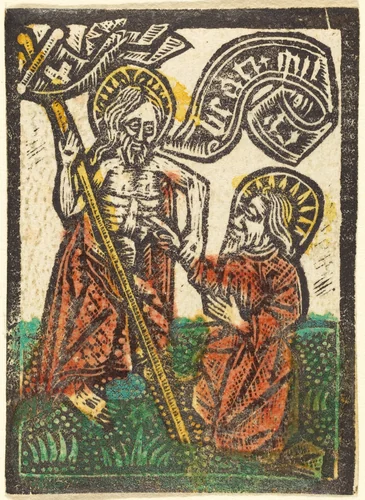
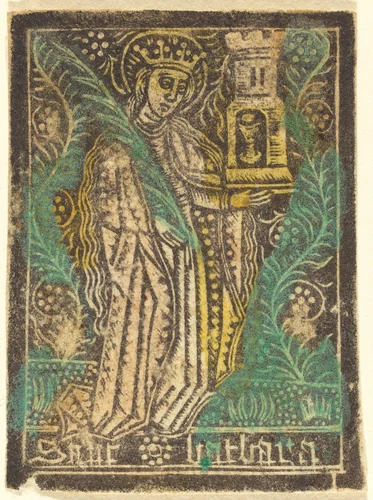
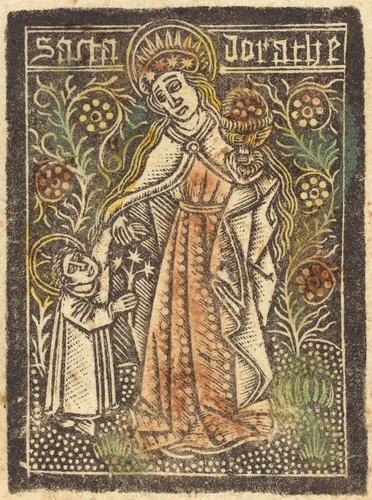
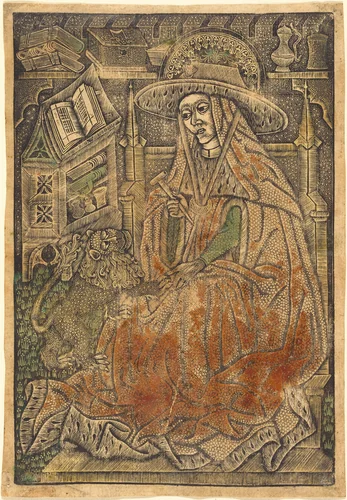
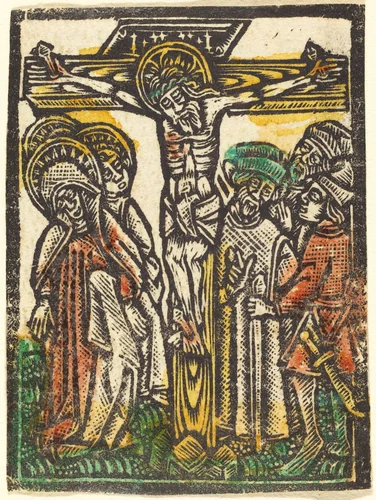
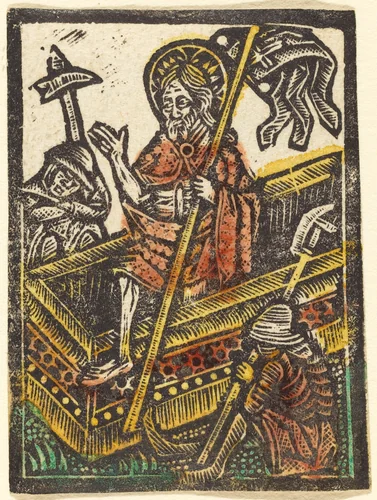
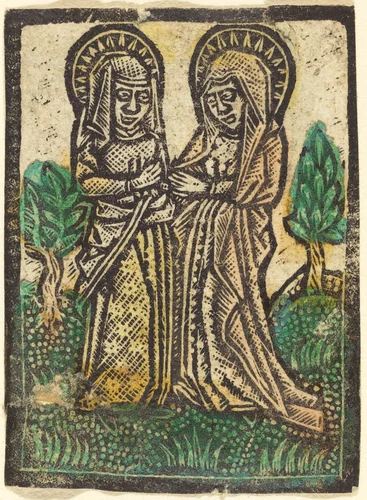
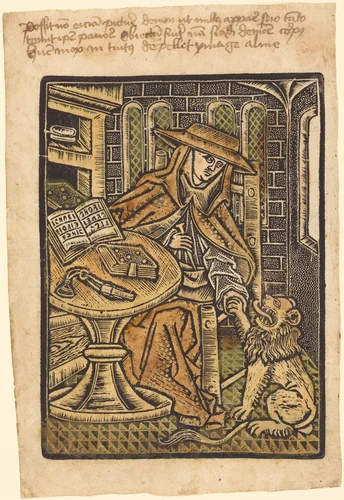
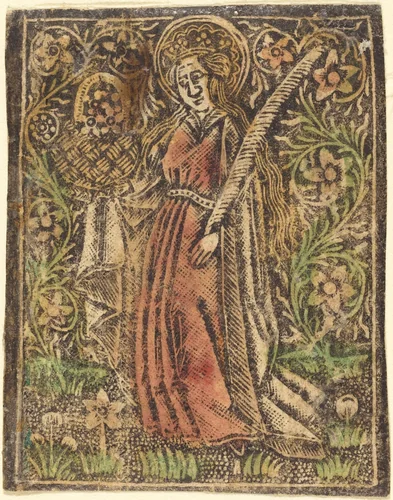
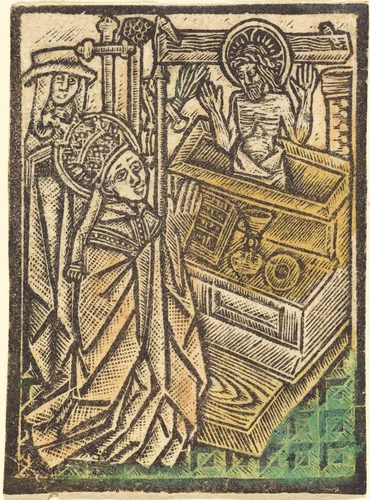
Notable works in the documented corpus include detailed religious narratives and devotional images, such as the large composition The Crucifixion and the biblical scene Christ Appearing to Thomas. Further examples of the artist's refined engraving technique are visible in the devotional pieces Saint Barbara and Saint Dorothy, as well as the scholarly interior scene Saint Jerome in His Study. Due to the age and historical provenance of the collection, much of the Master of the Aachen Madonna’s extant work is now in the public domain, providing access to high-quality prints for study and preservation.