Master M.Z.
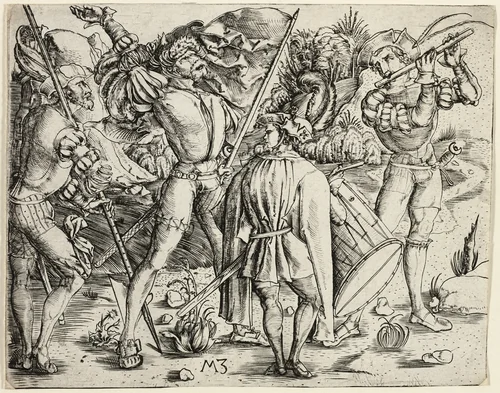
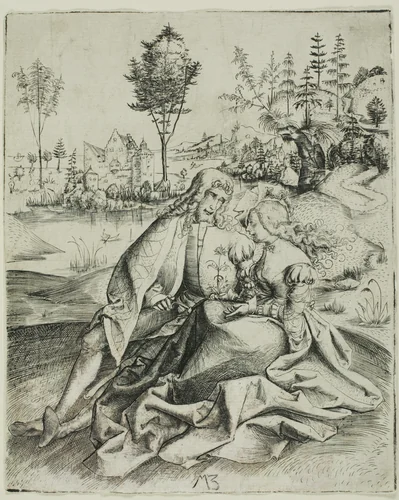
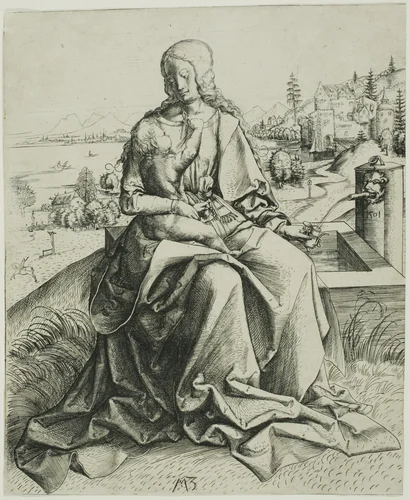
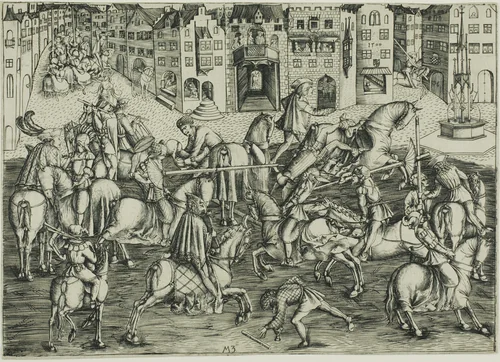
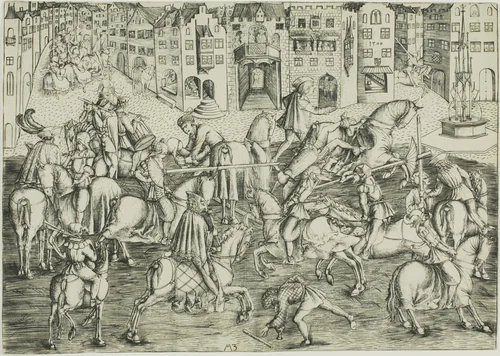
Master M.Z. remains one of the most compelling, if enigmatic, figures of late Quattrocento and early Cinquecento German printmaking. Active only briefly, spanning the critical years from approximately 1495 to 1503, this anonymous master worked in South Germany, centered primarily in Munich, Bavaria. His output is defined by 22 known engravings, all meticulously signed with the distinctive monogram "MZ." This short, intense period of documented activity places him directly at the transition point where printmaking was evolving from a craft into a sophisticated, scalable artistic medium.
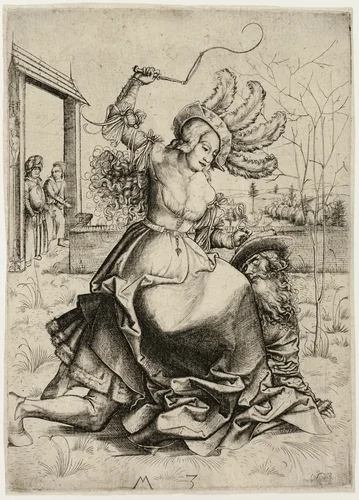
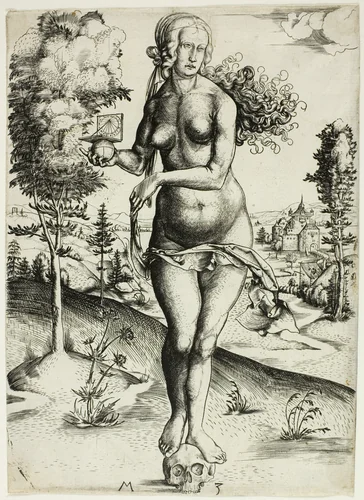
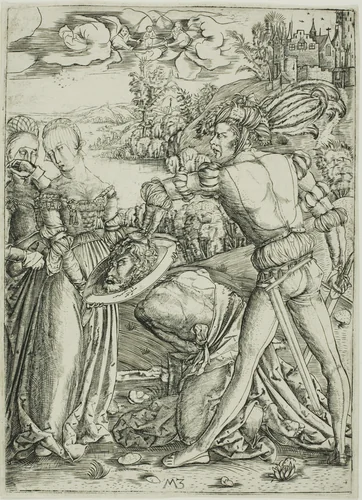
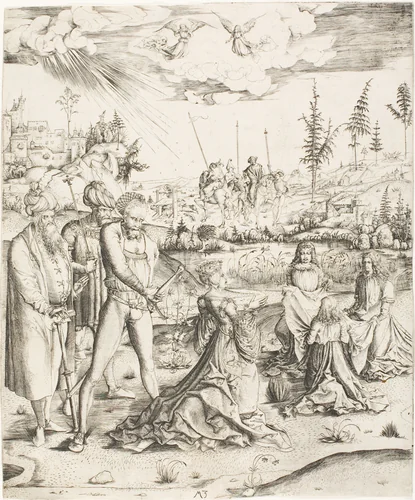
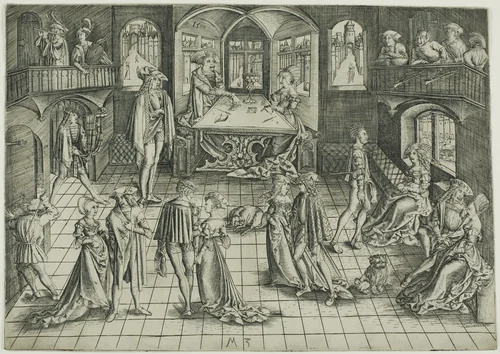
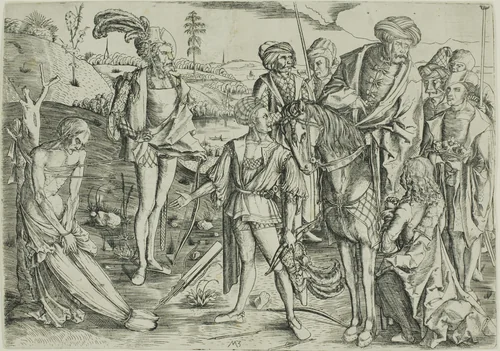
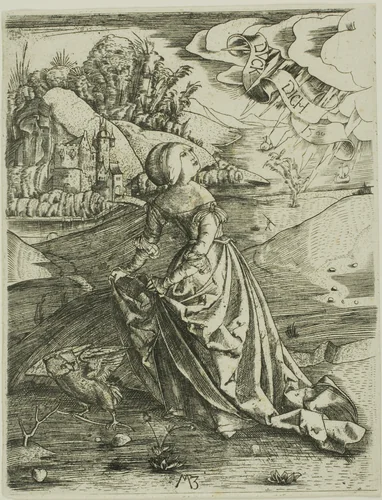
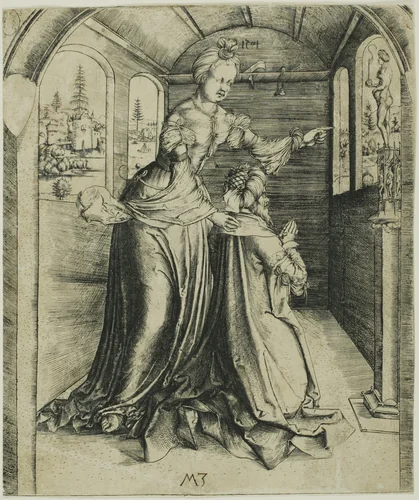
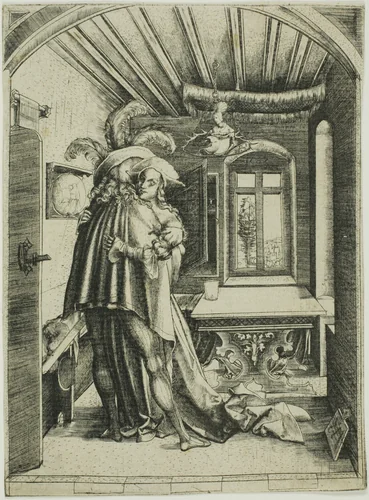
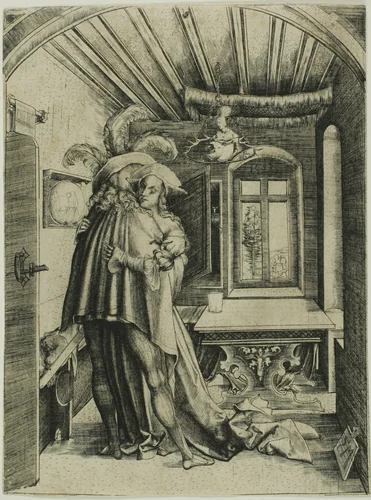
The known dated works all fall between 1500 and 1503, suggesting a highly productive yet intensely focused career. The 15 surviving prints demonstrate a technical skill comparable to his established contemporaries, capable of rendering subjects ranging from profound religious narrative to secular moral allegory. His key works include the high-tension staging of The Beheading of St. John the Baptist and the deeply symbolic Memento Mori. Perhaps his most distinctive work is Aristotle and Phyllis, a print depicting the cautionary tale of the philosopher humiliated by a clever woman, underscoring the artist’s engagement with courtly, Humanist themes.
What is known of his identity is circumstantial, but intriguing: around 1500, Master M.Z. appears to have been connected to the court of Albert IV, Duke of Bavaria, suggesting a privileged position perhaps atypical for an early printmaker. The scarcity of records and the limited duration of his career have led to complex, inconclusive scholarly arguments attempting to link him to known figures, notably the goldsmith Matthäus Zaisinger or the painter known as Master MS. It is worth noting that M.Z. dated his works rigorously, an administrative habit that, ironically, has done little to resolve the enduring mystery of his true identity.
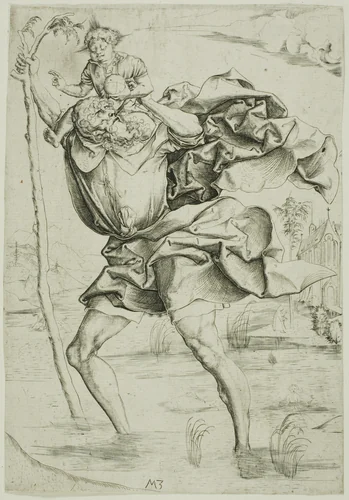
Though his name remains unresolved, Master M.Z.’s importance is secured by the consistent quality and graphic influence of his work. Today, his rare prints, such as Saint Christopher and The Martyrdom of St. Catherine, are housed in major international institutions, including the Art Institute of Chicago. As these master M.Z. prints fall largely within the public domain, they serve as essential reference points for the early history of engraving. Researchers and collectors can often find museum-quality reproductions available as high-quality prints, ensuring his influential contribution to Renaissance graphic arts continues to be studied and appreciated globally.