Master FVB
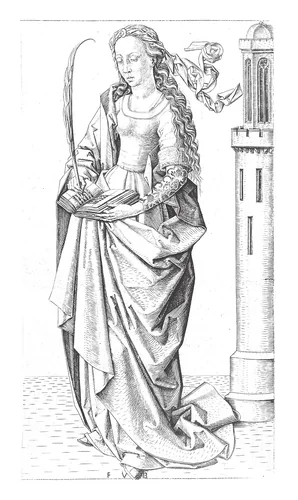
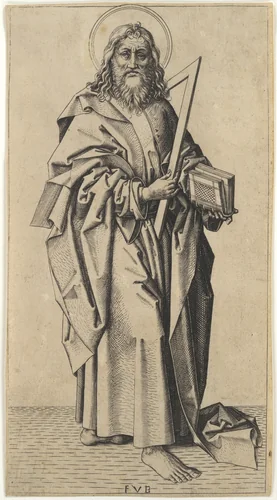
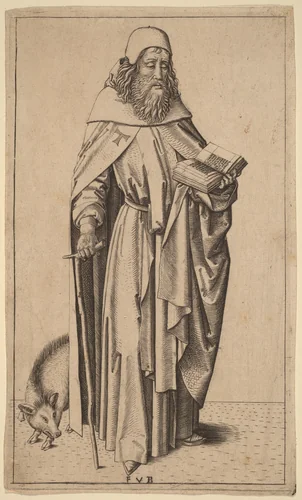
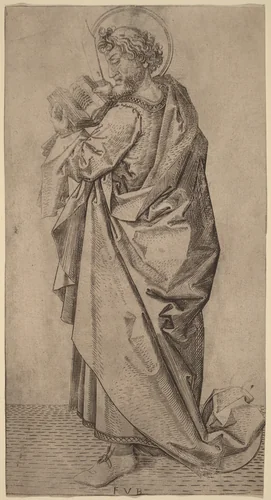
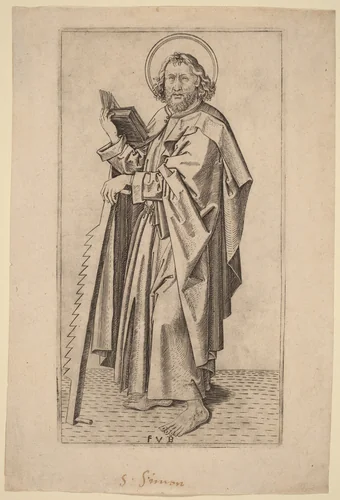
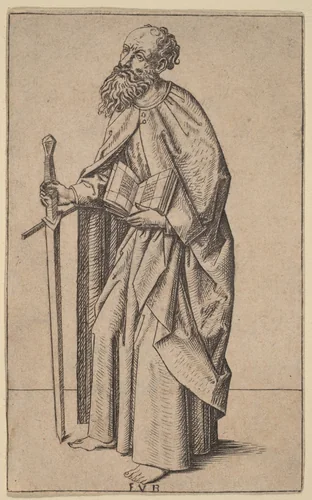
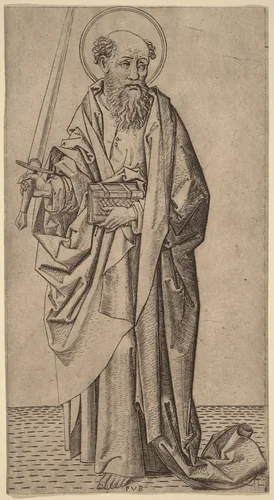
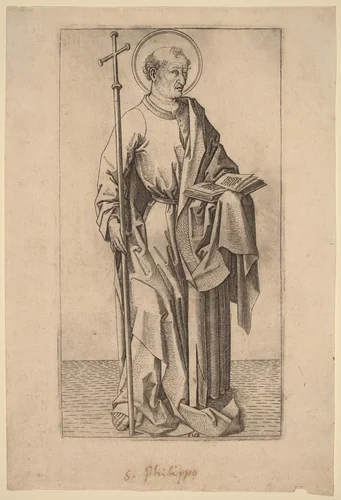
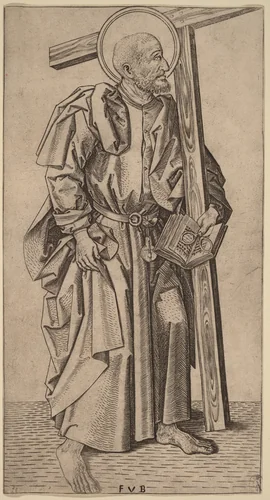
Master FVB stands as one of the most enigmatic and accomplished figures in the history of early Northern European printmaking. Active between approximately 1470 and 1490, this anonymous master worked in the Low Countries, leaving behind a small but technically brilliant corpus of just fourteen known copperplate engravings. These works, characterized by their precision, narrative intensity, and mastery of line, established FVB as an artist of profound influence during the nascent stages of the graphic arts.
The identity hidden behind the monogram FVB remains one of the perennial questions facing fifteenth-century art history. While persistent tradition has attempted to link the artist to Franz von Bocholt, no conclusive documentation or empirical evidence exists to substantiate this connection. This lack of certainty concerning the artist's life only heightens the appreciation for the surviving oeuvre, illustrating the powerful, perhaps inevitable, human impulse to provide a name and biography to a talent that otherwise exists only through its visual achievements.
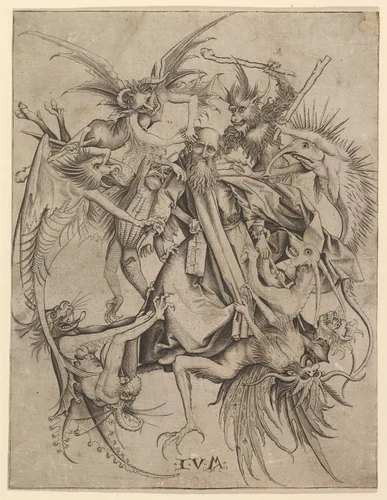
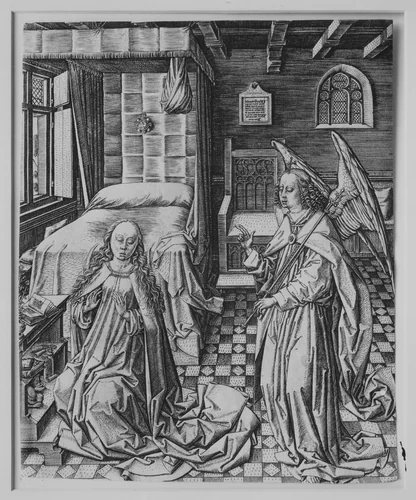
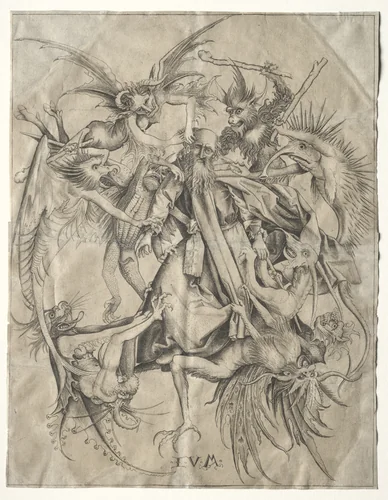
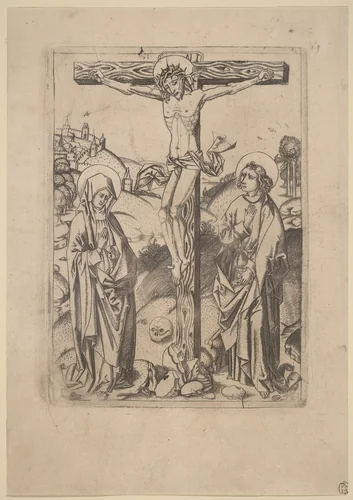
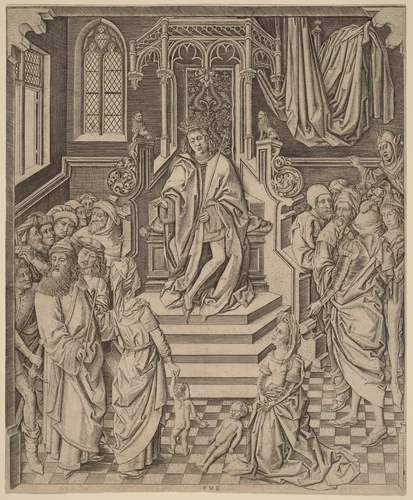
Master FVB’s prints focus heavily on sacred themes, demonstrating a sophisticated ability to translate complex theological narratives into intimate, highly detailed visual experiences. Key among these are the dramatic Saint Anthony Tormented by Demons (also known in catalogs as St. Anthony Tormented by the Devils), a striking example of the period's interest in the grotesque and the spiritual ordeal. His handling of texture and light, visible in compositions such as The Annunciation and the somber The Crucifixion, reveals a close affinity with contemporary Netherlandish painting, suggesting a profound understanding of visual realism.
The historical significance of Master FVB’s work is confirmed by its placement in the world’s foremost institutional collections, including the Metropolitan Museum of Art, the National Gallery of Art, and the Cleveland Museum of Art. These rare surviving Master FVB prints reflect their museum-quality preservation and foundational role in the medium. Due to their age and importance, many of these works are now firmly within the public domain, making high-quality prints and downloadable artwork available for both scholarly research and public enjoyment, often providing royalty-free access to these late medieval masterpieces.
Source: Wikipedia · CC BY-SA 4.0