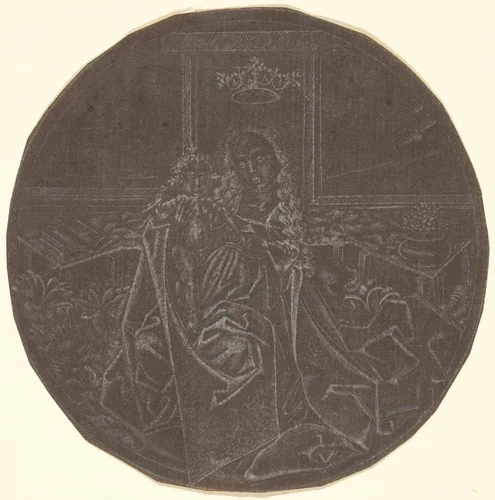
Master E. S.
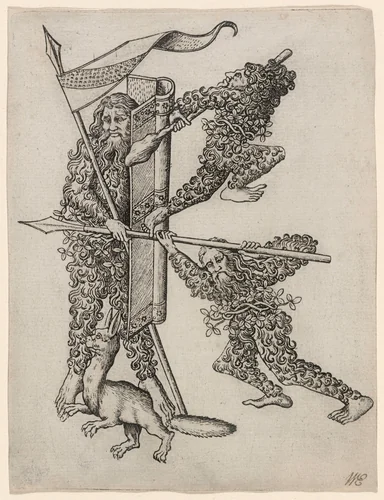
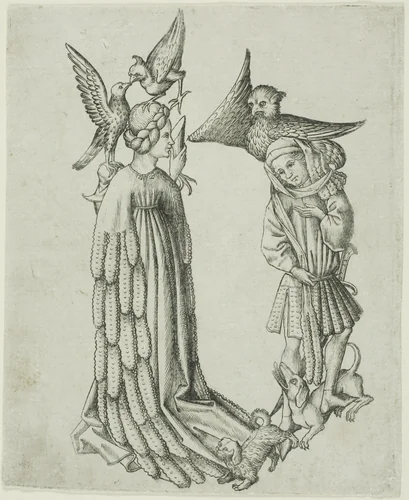
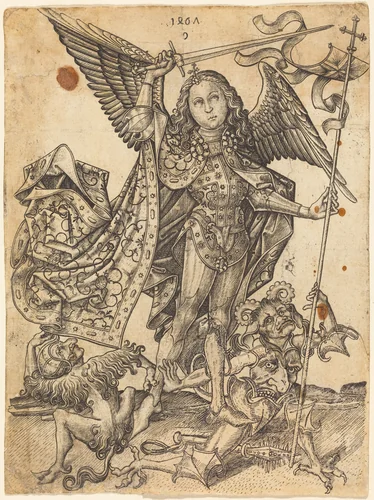
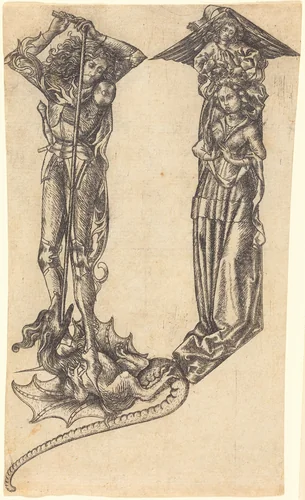
Master E. S. stands as a seminal, yet frustratingly unidentified, figure in the history of early German printmaking. Active during the late Gothic period, roughly between 1430 and 1455, he was an accomplished engraver, goldsmith, and printmaker whose innovations established the standards for old master prints in the region. Although his true identity remains obscured, the name assigned by art historians derives straightforwardly from the distinct monogram, E. S., which appears on eighteen of his approximately 320 surviving copper plate engravings. The title, Master, denotes his status as an independent artist operating a prolific workshop.
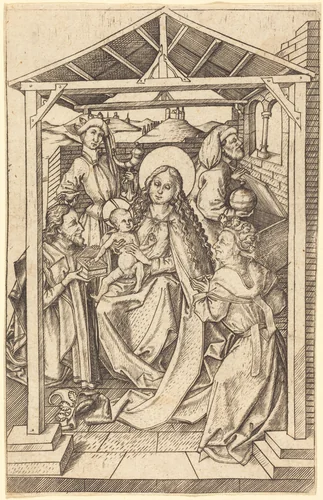
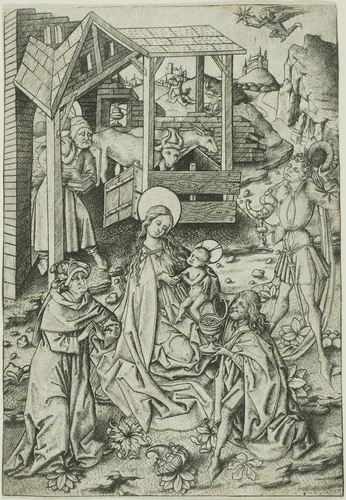
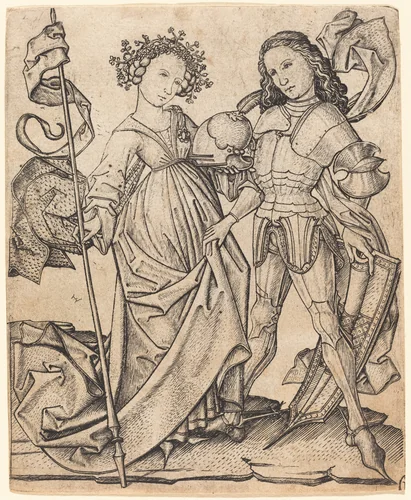
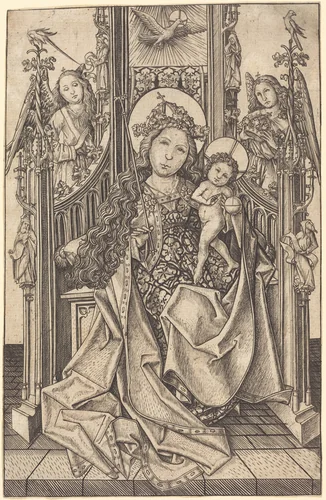
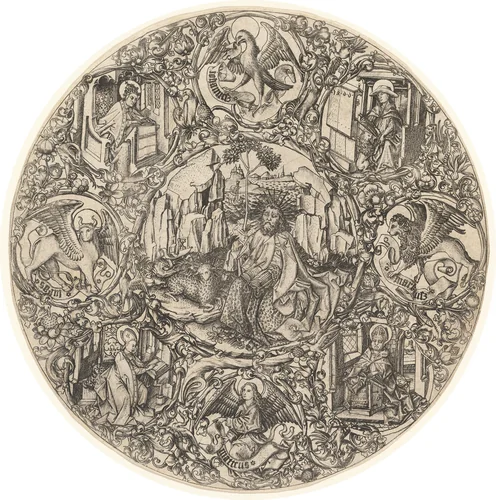
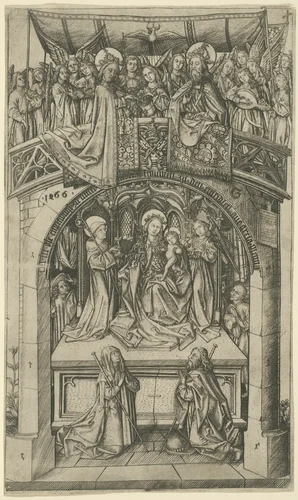
He was the first major German artist of old master prints, ushering in an era of technical mastery and complexity previously unseen in the medium. Coming from a background rooted in the highly precise discipline of goldsmithing, his technical command of the burin allowed him to achieve an unprecedented fineness of line and sophistication in cross-hatching and shading. His engravings, such as The Adoration of the Magi and the remarkable narrative piece Saint George with the Stork's Nest, demonstrate a mastery of intricate space and detailed drapery, swiftly elevating printmaking from a marginal craft to a respected art form.
Master E. S. was arguably the first printmaker in Northern Europe to consistently place his initials on his finished pieces, a subtle but highly consequential step that asserted artistic authorship in a medium previously treated as purely reproductive. It is perhaps the highest compliment to his influence that few contemporary artists escaped the impulse to copy or imitate his dense, elaborate style, confirming his immediate and widespread renown.
His crucial body of work includes critical devotional subjects like Christ Blessing the Virgin and the starkly affecting Christ as the Man of Sorrows. Master E. S. effectively transitioned the medium into a powerful vehicle for distributing complex iconography across Europe. Today, his rare and historically significant compositions are preserved in major museum collections, including the National Gallery of Art and the Art Institute of Chicago. For scholars and collectors seeking to study his intricate technique, many surviving prints have entered the public domain, making high-quality prints and downloadable artwork accessible for scholarship and appreciation outside of museum archives.
Source: Wikipedia · CC BY-SA 4.0