Massimiliano Soldani
Massimiliano Soldani Benzi established himself as one of the definitive Italian Baroque sculptors and medallists, whose entire professional output defined the highly refined taste of the late Medici court in Florence. Born in Montevarchi, the son of a Tuscan cavalry captain, Soldani’s career effectively began and ended within the orbit of the ruling dynasty. His active period, primarily focused on the production of bronze and terracotta works, positioned him as the chief artistic chronicler and image-maker for the Grand Ducal family throughout the late seventeenth and early eighteenth centuries.
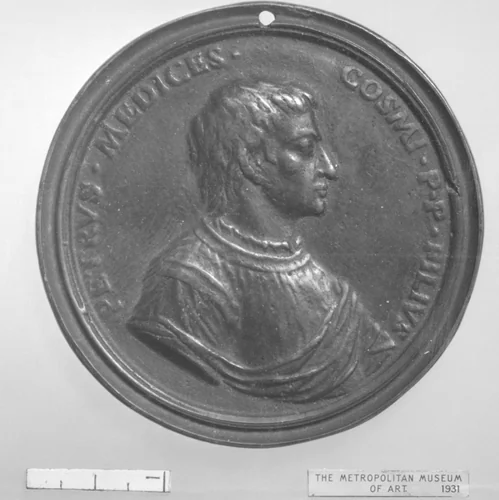
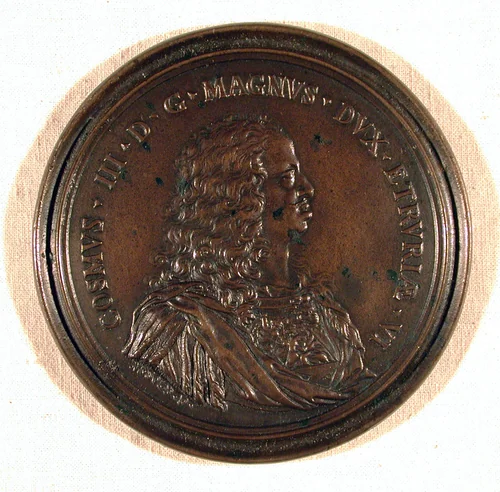
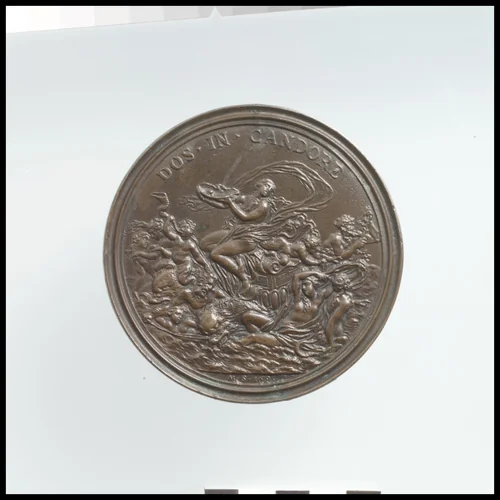
Soldani specialized in the meticulous craft of metal casting, bringing a stunning technical precision to both large statuary and small-scale portable objects, a medium highly valued in courtly circles. His genius lay in adapting the dynamic energy of Roman Baroque models to the more controlled, classical aesthetic demanded by Florentine patrons. This dual mastery is evident across his known output, which ranges from historical recreations, like the portrait of Piero I Medici (1464–69), to contemporary representations of power, such as the medal depicting Grand Duke Cosimo III de' Medici (1670-1723).
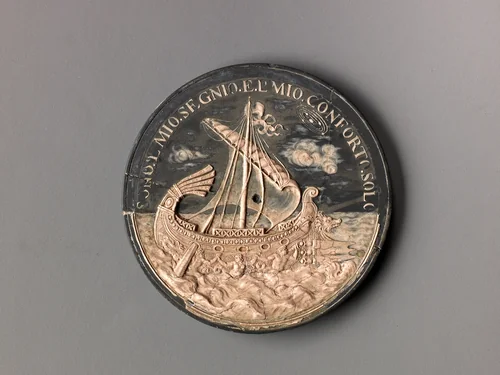
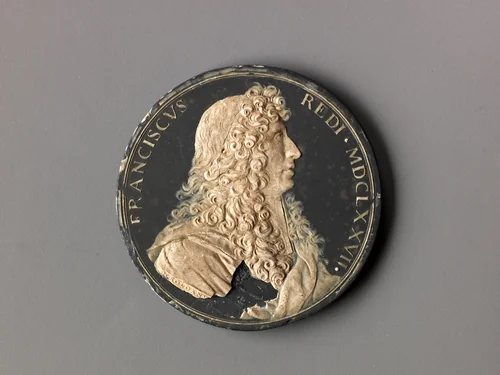
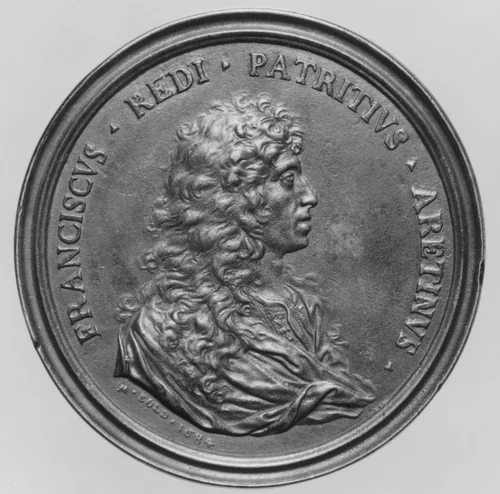
His smaller portrait medals, often found in collections like the Metropolitan Museum of Art, served a crucial function beyond mere decoration. These pieces disseminated the likeness of court figures across Europe and provided a lasting record of Florentine intellectual life. Notable examples include his studies and models of the eminent physician and scientist Francesco Redi. The design for the Redi medal, which includes the complex reverse known as Model for a medal of Francesco Redi; a Ship at Sea, demonstrates Soldani’s sophisticated integration of portraiture and allegory.
It is perhaps the highest compliment to Soldani’s enduring influence that he served, essentially, as the Medici dynasty's official image architect for decades. His museum-quality metalworks established the standard for Florentine court portraiture, and though originally restricted to private cabinets, many are now part of the public domain. Today, the details of his exceptional execution are preserved for researchers and enthusiasts through high-quality prints and downloadable artwork, ensuring that the legacy of this key Baroque figure remains accessible long after the decline of his royal patrons.
Source: Wikipedia · CC BY-SA 4.0