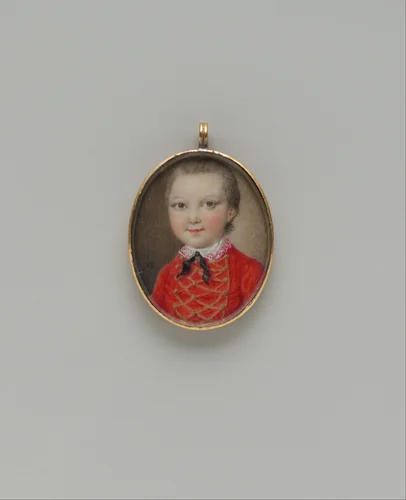
Mary Roberts
Mary Roberts (d. 1761) occupies a crucial, pioneering position in the history of early American portraiture, recognized definitively as the first known female professional miniaturist working in the American colonies. Active primarily during a concentrated period between 1749 and 1752, her specialized output offers an intimate, highly detailed record of elite 18th-century society and the rapidly developing market for personalized, portable portraits.
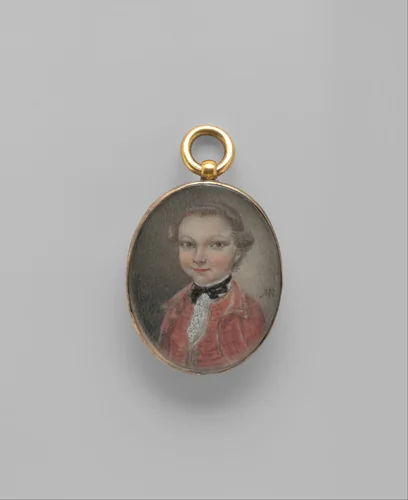
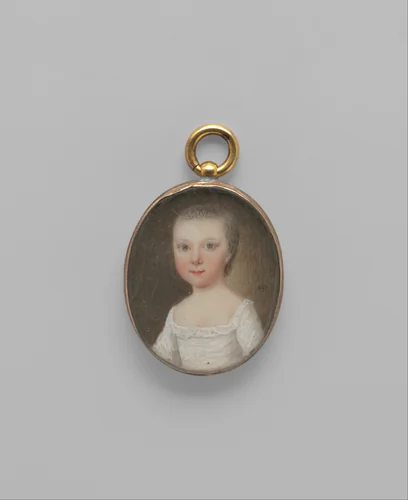
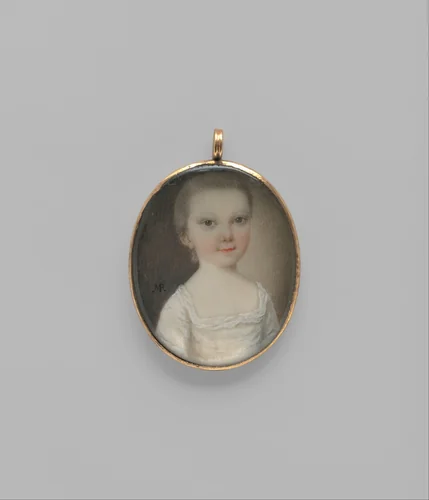
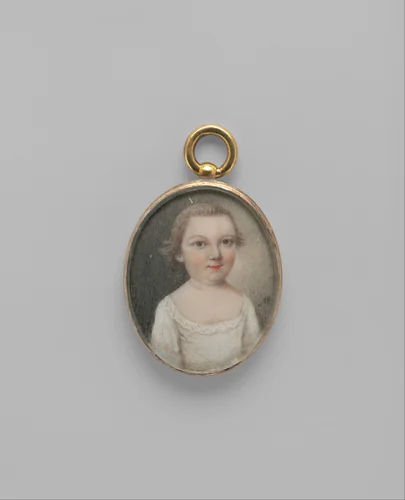
Roberts established a remarkable proficiency in a field demanding acute precision, creating works generally intended for private display, sentimental exchange, or travel. Her primary extant body of work centers around a cohesive commission executed for the prominent Middleton family of South Carolina. These commissions include the striking portraits of Henrietta Middleton, Hester Middleton, Thomas Middleton, and two distinct individuals named William Middleton. This subtle redundancy in patronage amusingly underscores the deep importance of filial lineage and naming conventions within the colonial aristocracy.
These exquisite likenesses, often measuring barely an inch or two in height, demonstrate Roberts’ sophisticated command of watercolor on ivory or vellum, particularly her keen sensitivity to texture, lace, and the fine detailing of contemporary fashion. Today, these foundational Mary Roberts paintings are crucial resources for scholars mapping the earliest American contributions to the miniaturist genre. Significant examples are held in museum-quality collections, including the Metropolitan Museum of Art.
The brief window of Roberts' documented activity belies her historical impact. Her professional success preceded that of many male contemporaries, effectively carving out an early, essential space for female professional artists in a genre often reliant on itinerant painters. Though specifics regarding Roberts' training remain scarce, her technical assurance guarantees her lasting legacy. Many of her foundational works, now frequently residing in the public domain, are reproduced as high-quality prints, granting modern audiences continued access to these rarely seen early American masterpieces.
Source: Wikipedia · CC BY-SA 4.0