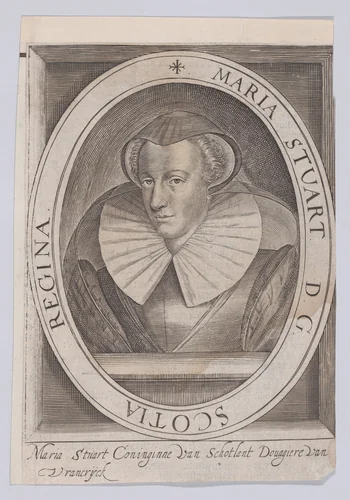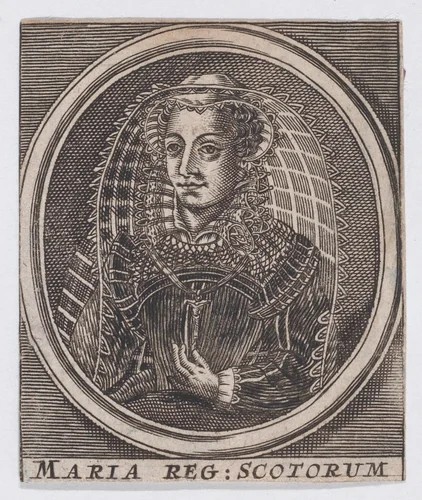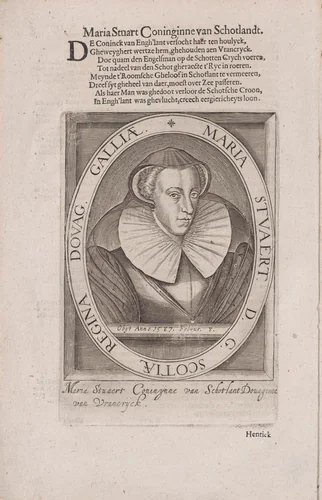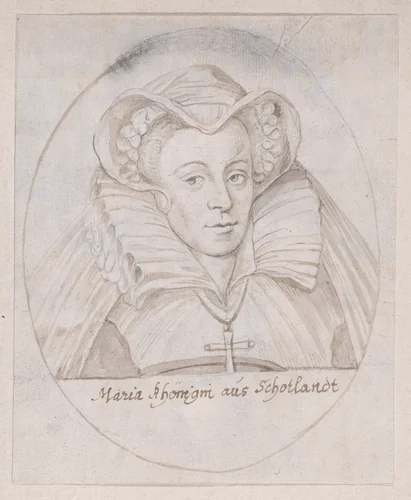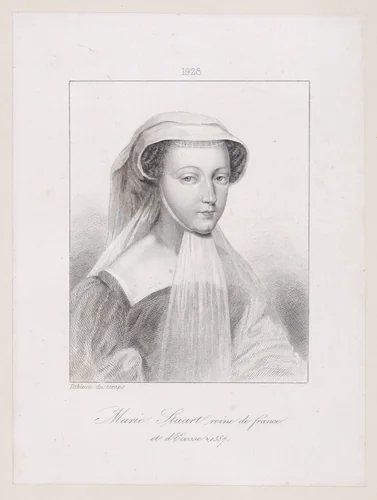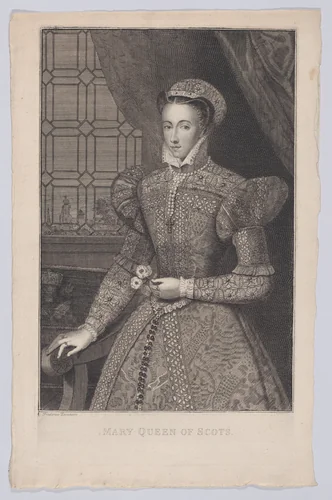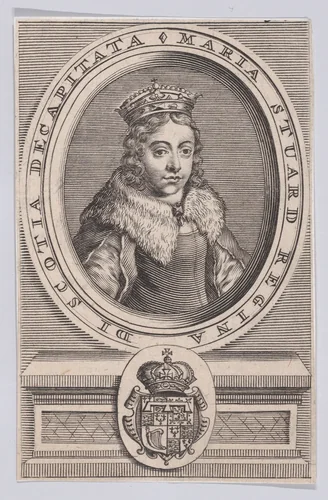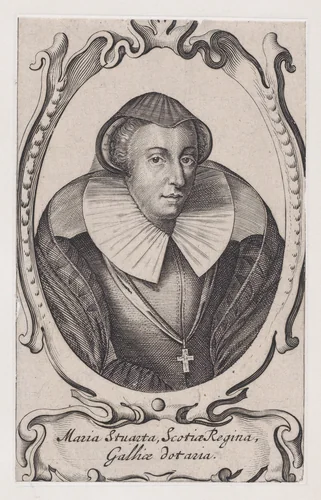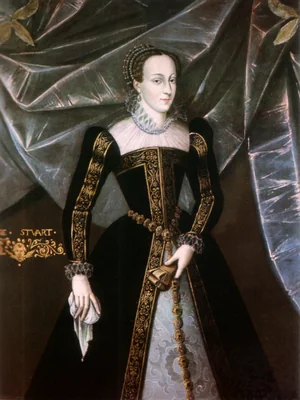
Mary, Queen of Scots
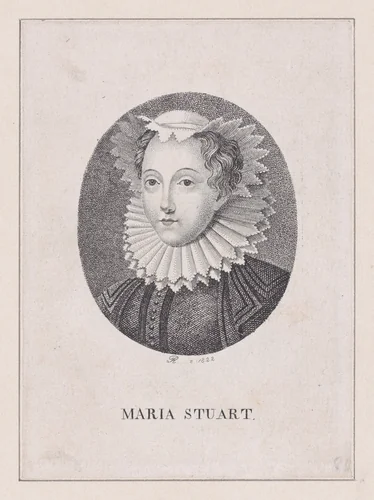
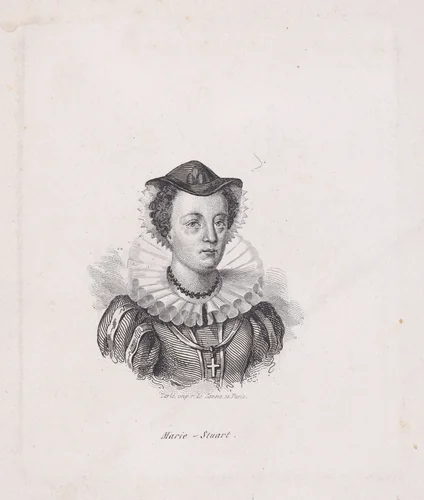
Mary Stuart, known historically as Mary, Queen of Scots, held the Scottish throne from December 1542 until her forced abdication in July 1567. This brief, highly volatile reign established the foundation for an extraordinary and long-lasting posthumous career, not as a political figure, but as one of European history’s most compelling and frequently revisited artistic subjects.
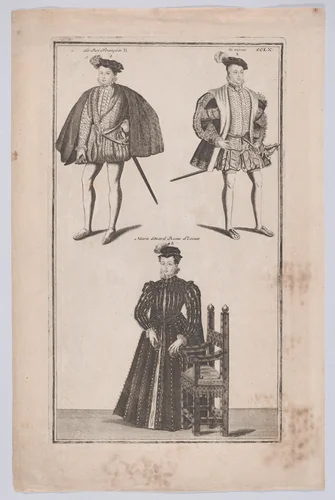
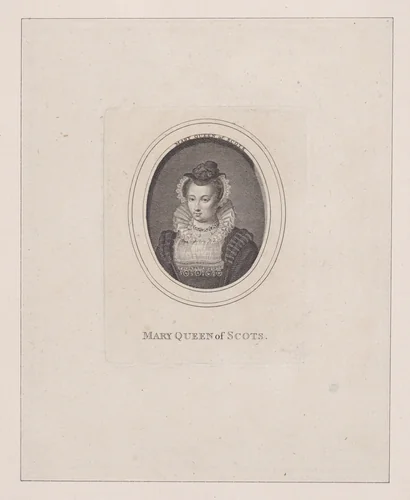
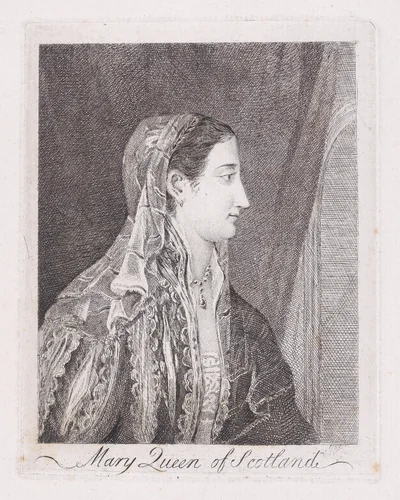
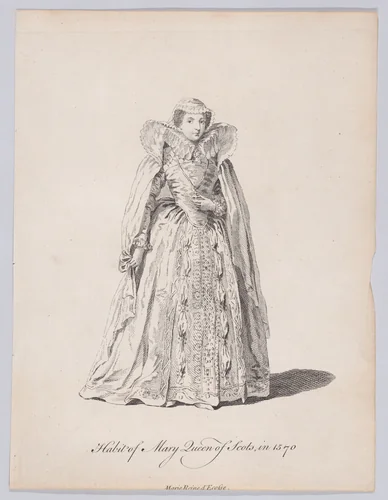
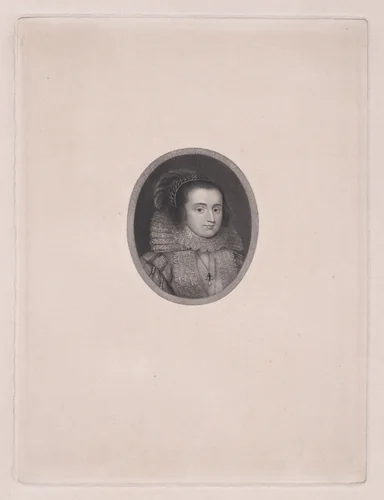
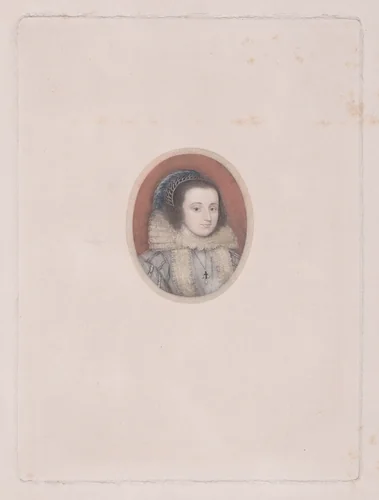
The database records detailing 14 prints and a drawing, active across a period spanning 1600 to 1825, confirm her enduring status as an iconographic focus. Mary’s narrative—combining legitimate royalty with dramatic political failure, enforced exile, and eventual execution—provided rich, adaptable material for subsequent generations of printmakers, portraitists, and later, painters working in the Romantic tradition.
The evolution of her image across these two centuries speaks volumes about shifting political and cultural priorities. Early representations often served immediate ideological ends, emphasizing her Catholic martyr status, or alternately, reinforcing dynastic claims on the English throne. However, by the late 18th and early 19th centuries, the interest shifted profoundly. Artists began transforming Mary into a potent romantic heroine, often depicting her in moments of intense emotion, confrontation, or tragic isolation. This Romantic fascination ensured an almost inexhaustible demand for Mary, Queen of Scots prints and interpretations of her tragedy.
It is perhaps a compelling historical irony that a monarch who lost her throne due to political instability achieved such widespread, long-lasting fame through the reproducible, democratized medium of the print. The extensive body of work devoted to her ensures that researchers and enthusiasts can access downloadable artwork freely. Much of this material is now secured in institutional archives, yet is widely available as high-quality prints, benefiting from the fact that earlier interpretations are typically in the public domain and available royalty-free. This continued output confirms her image as an indelible fixture in historical and art historical memory.
Source: Wikipedia · CC BY-SA 4.0