Mary Altha Nims
Mary Altha Nims was an artist known for her drawn works, active during the early 19th century, specifically the four decades between 1800 and 1840.
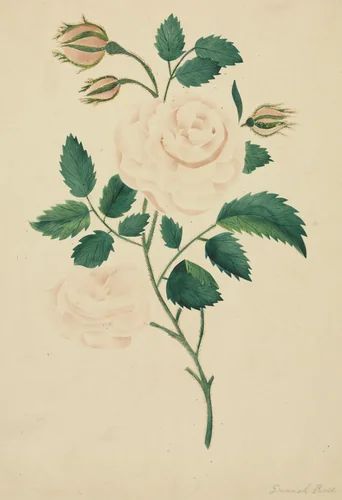
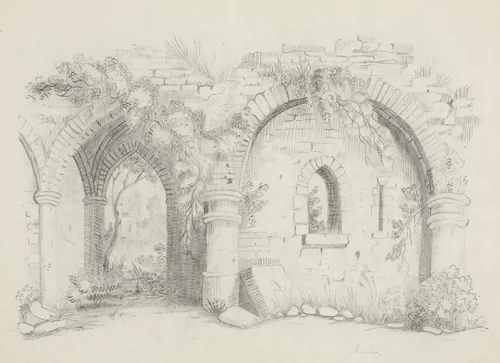
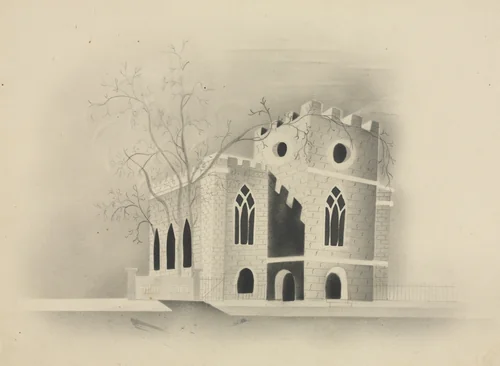
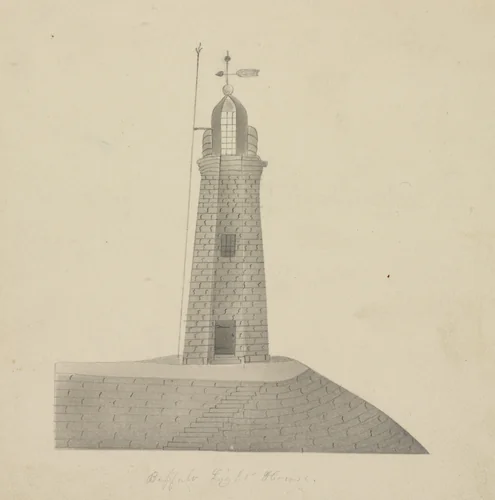
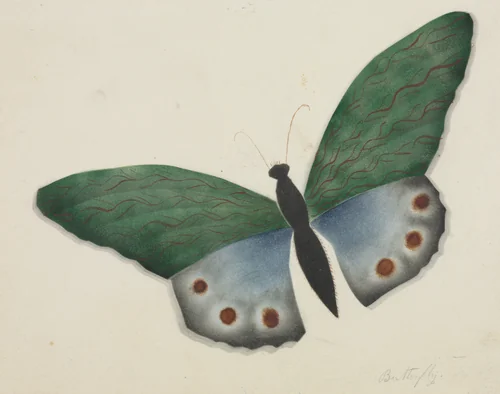
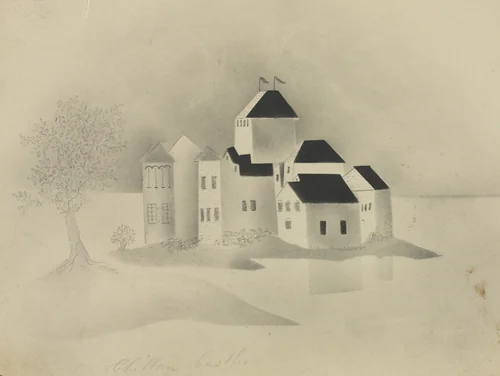
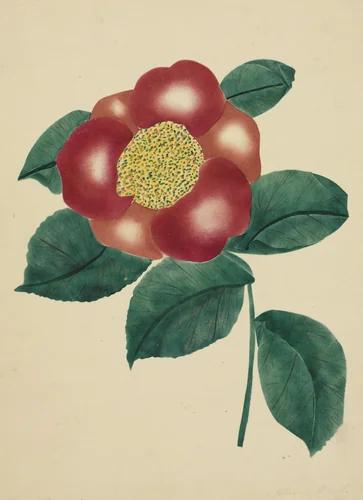
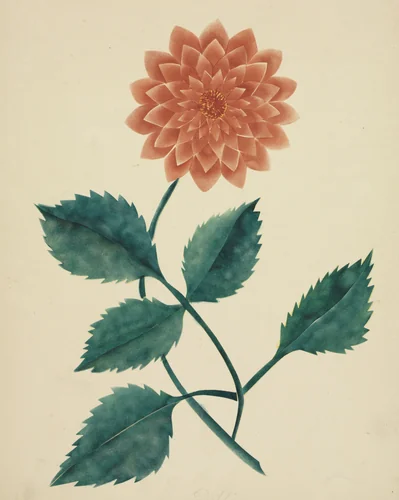
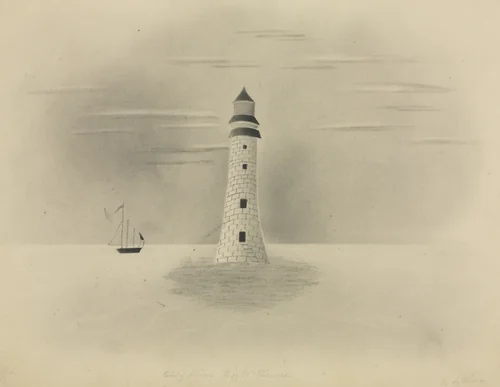
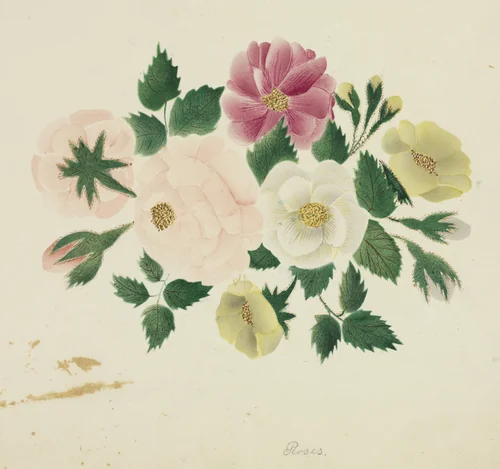
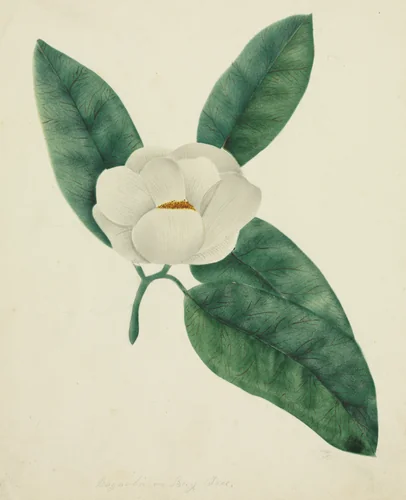
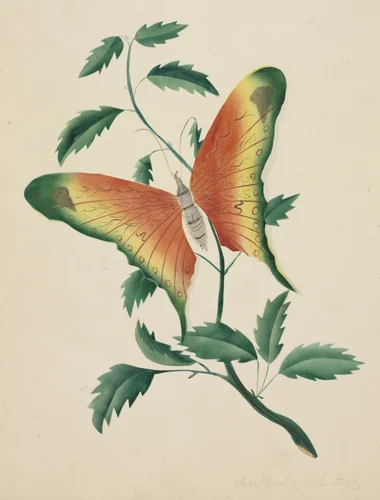
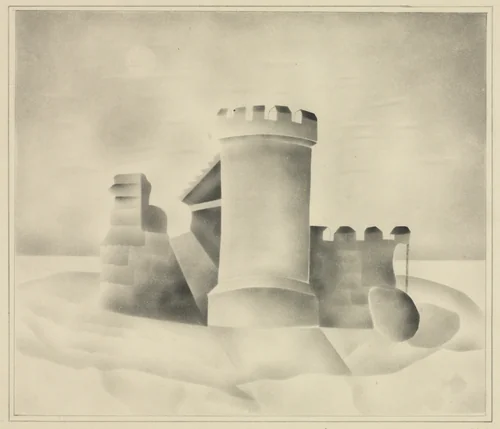
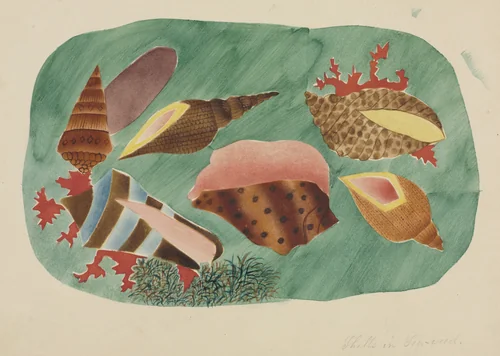
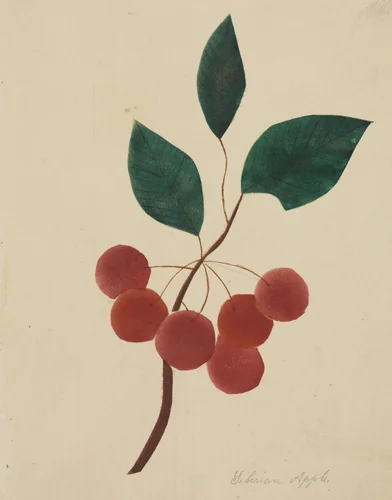
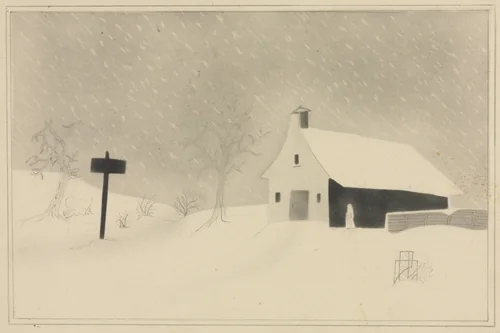
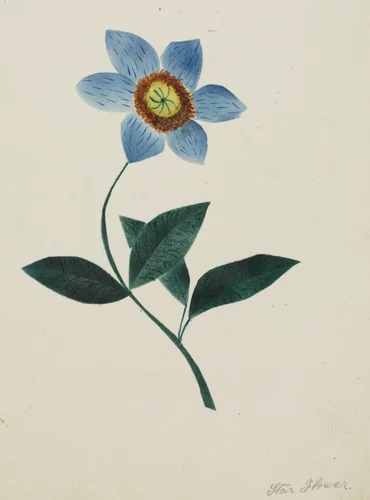
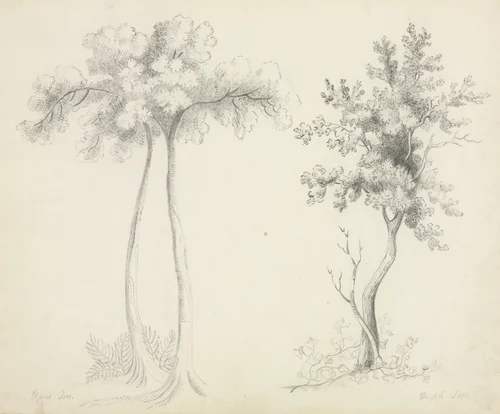
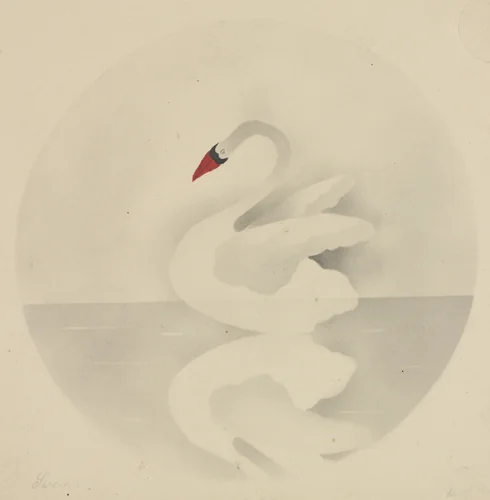
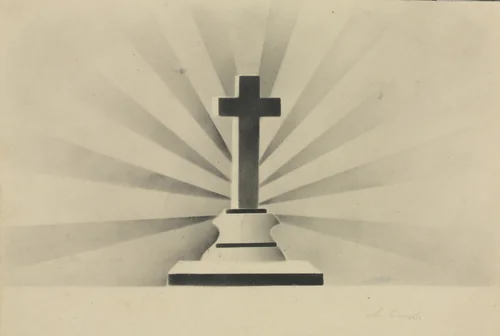
The artist’s output, represented by 15 documented drawings preserved in institutional collections, demonstrates an interest in both natural subjects and topographical studies. These works are held by institutions including the Cleveland Museum of Art. The documented drawings cover diverse subject matter, ranging from botanical illustrations such as Damask Rose and natural studies like Butterfly, to landscape and architectural views. Notable examples include the topographical study Buffalo Lighthouse, the atmospheric A Gothic Church by Moonlight, and the general landscape study Ruins.
As the drawings date from the early 1800s, much of the surviving material is considered to be in the public domain. This status allows for scholarly access and the creation of museum-quality reproductions, providing researchers with downloadable artwork for study. Mary Altha Nims prints and drawings offer verifiable insight into early 19th-century American artistic practices.