Martino Rota
Martino Rota, known also by the cognomen Martin Rota Kolunić, stands as a critical figure in 16th-century European printmaking. Hailing from Dalmatia, Rota was active roughly between 1520 and 1576, a period defined by the high demand for reproducible images following the artistic zenith of the High Renaissance. Although the historical record identifies him primarily as a printmaker, the impact of his sophisticated copperplate work far exceeds that of a simple reproducer of others’ designs.
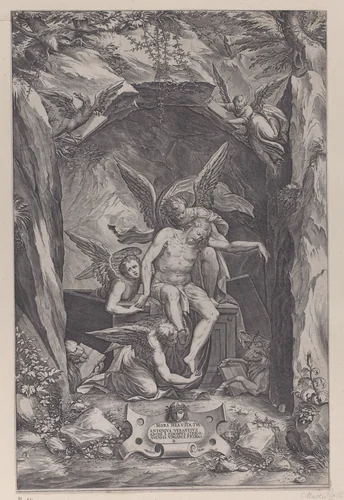
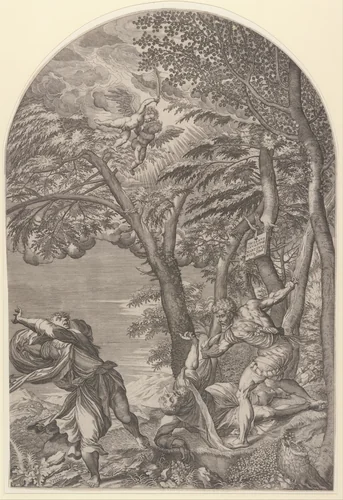
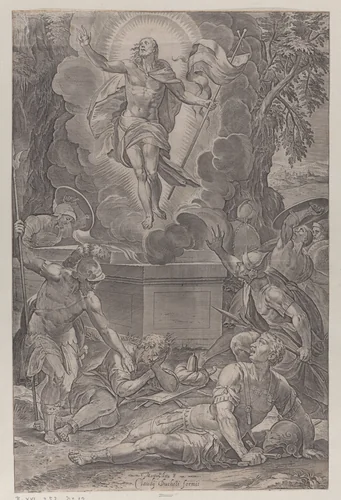
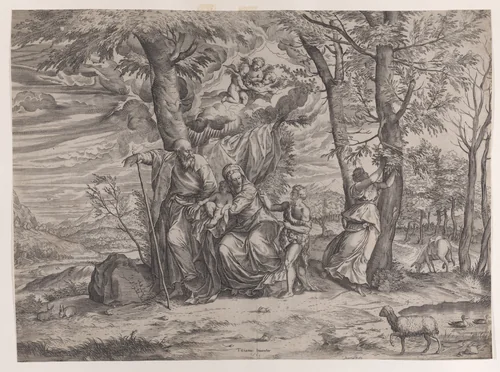
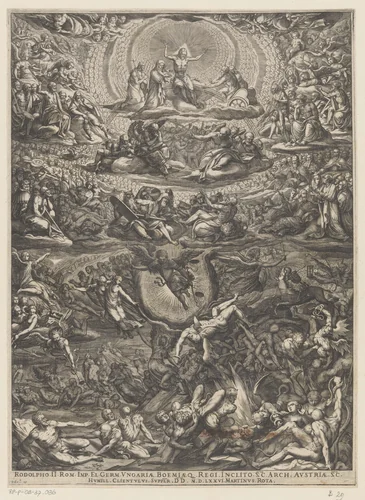
Rota’s oeuvre demonstrates a remarkable technical mastery of engraving and etching, skills vital for translating complex compositional detail into the repeatable print medium. His body of work successfully circulated interpretations of both theological scenes and powerful portrait studies across European courts and intellectual circles. His religious subjects, such as the dramatic rendering of The Martyrdom of Saint Peter and the triumphant Christ rising from the tomb, assisted by two angels, reveal a dynamic approach to narrative movement and light.
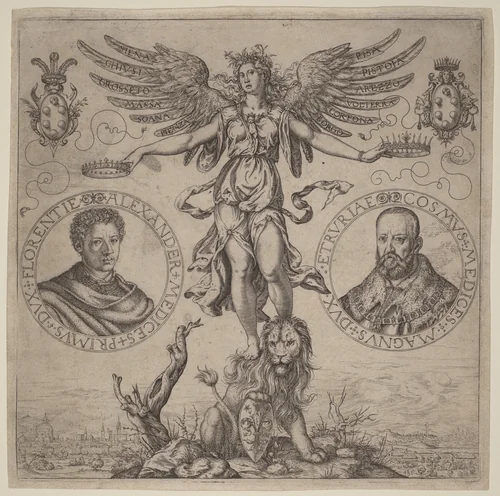
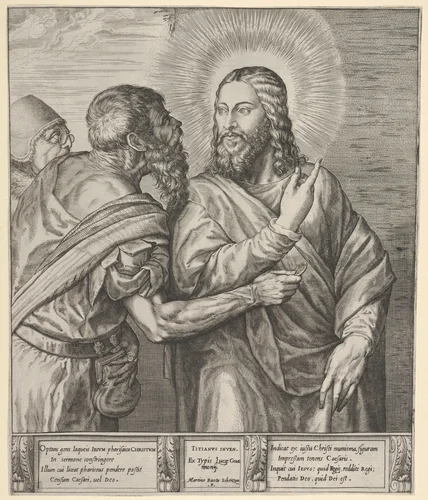
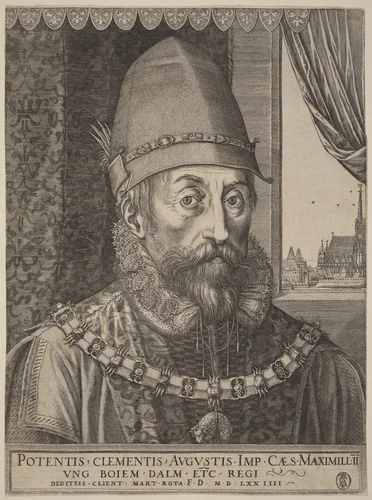
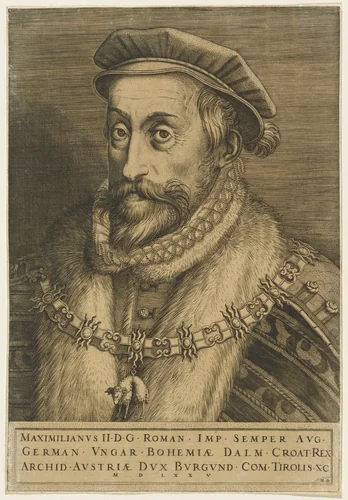
Rota was particularly adept at capturing noble likenesses. His double portrait, Alexander de Medicis and Cosmo de Medicis, utilizes the graphic precision of the print medium to convey the political cachet required by prominent families of the period. Even in detailed biblical scenes like The Tribute Money: two Pharisees, one holding out a coin in his right hand, approach Christ from the left, Rota maintained an exacting fidelity to human gesture and architectural setting, securing the print's reputation as a valuable visual record.
It is worth noting that while Rota’s name often falls secondary to the celebrated painters whose works he copied, the endurance and clarity of his high-quality prints mean that for many viewers today, Rota’s interpretation is the definitive version of the composition.
Rota’s contribution to the spread of visual culture is confirmed by the presence of his output in major institutions globally, including the Rijksmuseum, the National Gallery of Art, and the Metropolitan Museum of Art. Because many Martino Rota prints are now categorized as public domain works, these detailed, museum-quality images are widely accessible. His legacy is characterized not only by his technical skill but by his vital role in making the grand visual narratives of the 16th century available as widely circulated downloadable artwork.
Source: Wikipedia · CC BY-SA 4.0