Martin Monnickendam
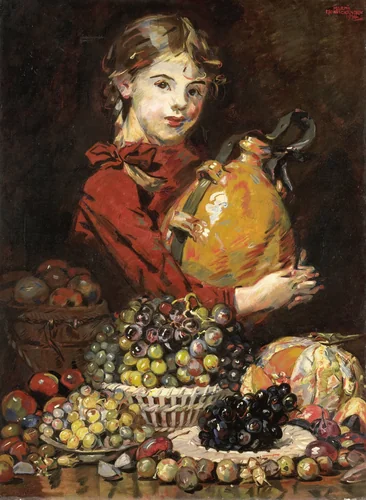
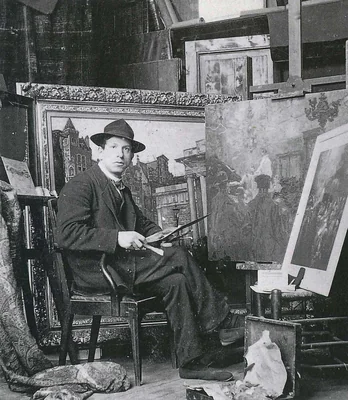
Martin Monnickendam was a dedicated Dutch painter and draftsman whose concentrated period of artistic activity, primarily between 1896 and 1914, resulted in a compelling series of architectural studies. While his output includes limited painting, such as his one registered canvas, his reputation rests heavily on the clarity and atmospheric precision of his graphic works. A consistent observer of urban life, Monnickendam demonstrated a particular reverence for the enduring structures of France, establishing himself as a meticulous chronicler of the Parisian metropole during a moment of intense societal modernization.
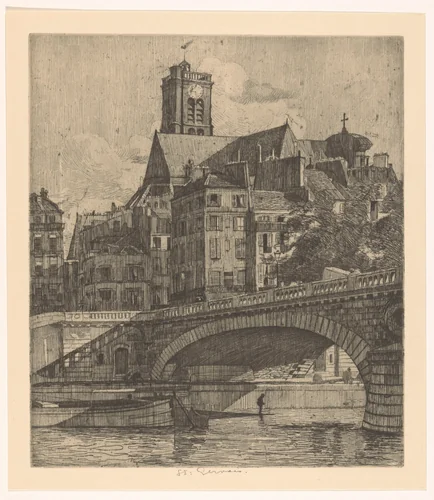
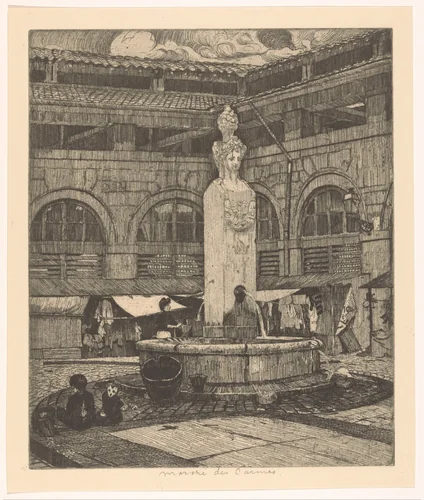
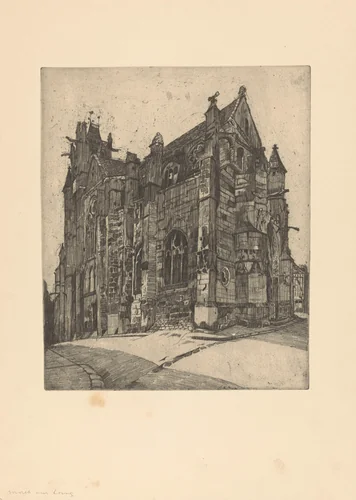
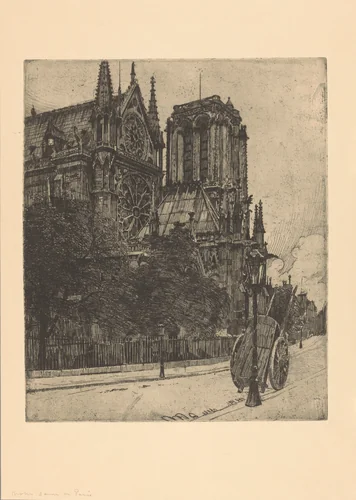
Monnickendam excelled at capturing the textural reality of ancient stonework and the complex geometry of gothic structures. His prints serve as detailed chronicles of the city’s living history, often focusing on structures that anchor daily existence rather than merely grand tourist vistas. He captured the bustling energy of the Marché des Carmes in Parijs with an eye for movement, yet his architectural sensibility truly shines in his monumental treatments of major icons. These include his precise rendering of the majestic Notre-Dame van Parijs, as well as the less frequently depicted Gezicht op de Saint-Gervais in Parijs. His geographical scope occasionally extended beyond the capital, evidenced by his study of the Notre-Dame van Moret-sur-Loing.
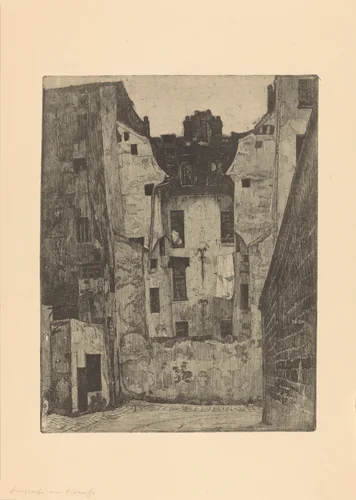
One might observe that, unlike many contemporaries who chased the fleeting effects of light, Monnickendam sought permanence. He preferred the quiet dignity found in narrow passages, evident in his close study of the Impasse des Boeufs in Parijs. This meticulous approach positions him less as a casual tourist and more as a devoted architectural analyst whose technique married sharp observation with subtle dramatic tension.
The enduring significance of Martin Monnickendam prints and drawings is confirmed by their inclusion in major institutional holdings, notably the collection of the Rijksmuseum. His brief but highly productive career established a valuable visual record of European cityscapes at the turn of the century. As these distinctive works transition into the public domain, making them globally accessible, the appreciation for his precise hand continues to grow. Researchers and collectors alike value the historical accuracy and subtle emotional weight he imparted to the stone and mortar of his chosen subjects, ensuring continued demand for high-quality prints and reproductions of his work.
Source: Wikipedia · CC BY-SA 4.0