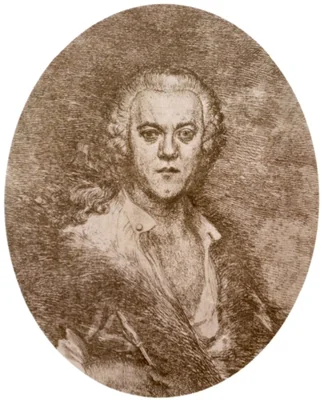
Martin Johann Schmidt
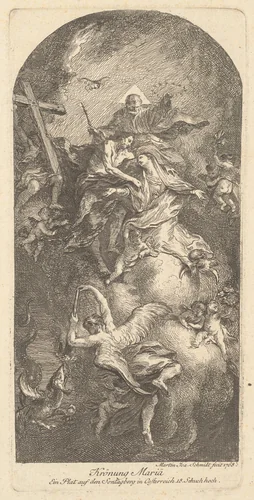
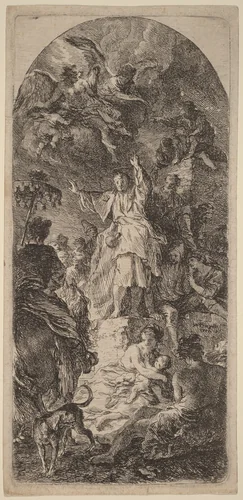
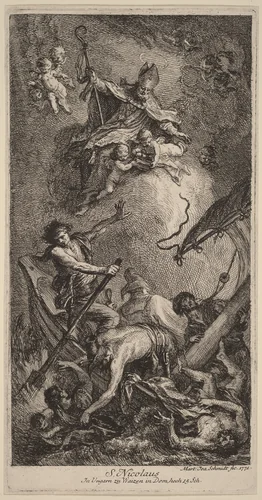
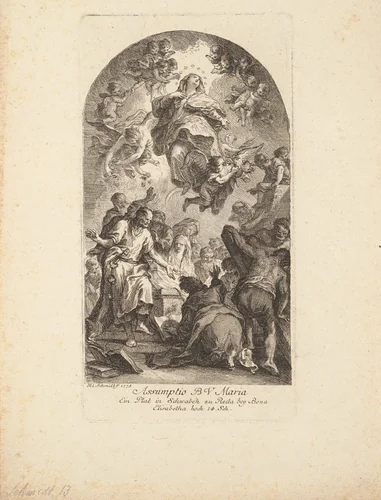
Martin Johann Schmidt (1718-1773), universally known by his epithet Kremser Schmidt, holds a foundational position in the history of Austrian painting. Active throughout the mid-eighteenth century, he stands, alongside Franz Anton Maulbertsch, as the preeminent master of the nation’s late Baroque and Rococo periods. His prodigious output, covering altarpieces, frescoes, genre scenes, and intimate studies, defined the transition toward lighter, more emotionally immediate styles prevalent across Central Europe.
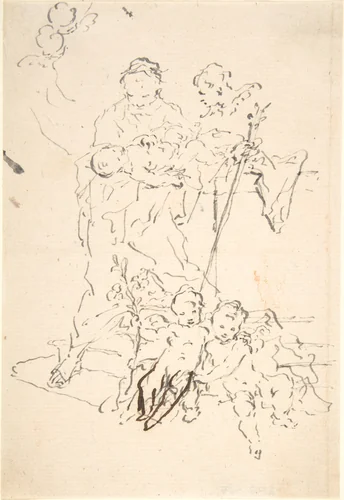
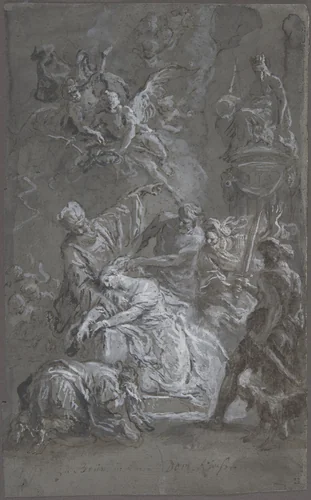
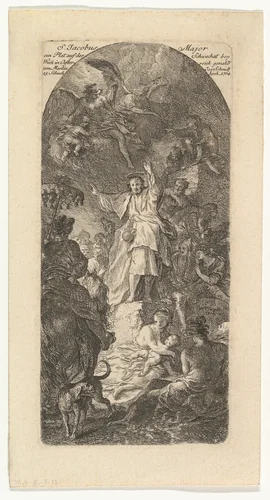
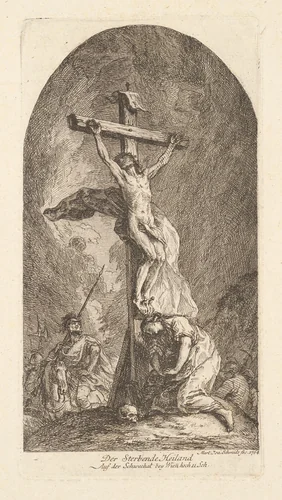
Schmidt’s aesthetic sensibility synthesized the dramatic intensity of the high Baroque with the delicate chromatics and psychological intimacy characteristic of the Rococo. While he was highly regarded for major ecclesiastical commissions—his specialization, like many painters of his era—he demonstrated a remarkable versatility across subjects and scale. His skill in rendering complex spiritual narratives is evident in works such as Saint Anthony and the Christ Child Surrounded by Cherubs and the compelling drama of The Martyrdom of Saint Barbara.
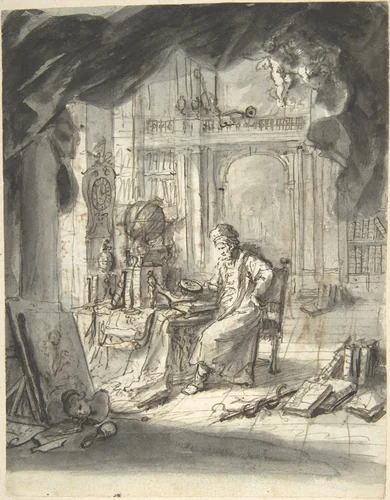
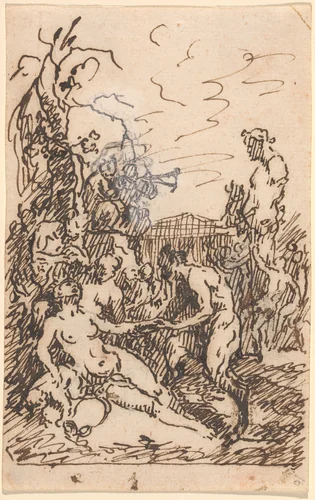
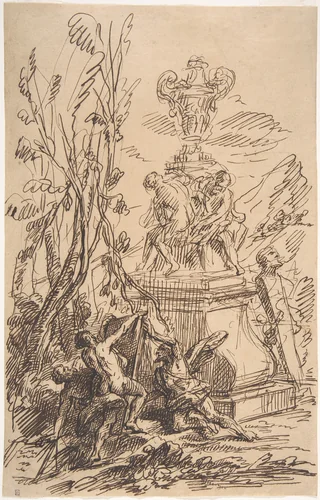
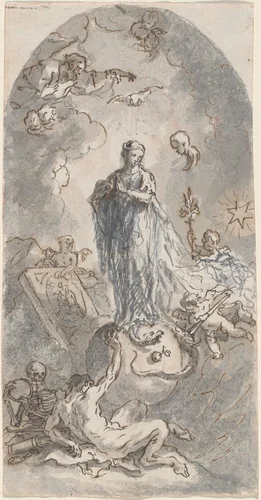
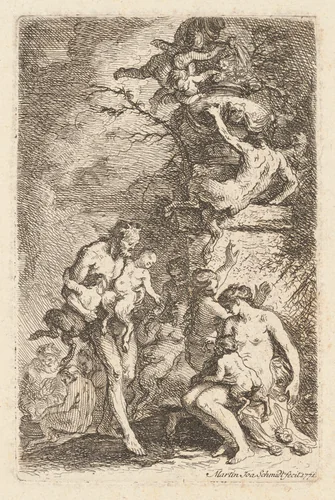
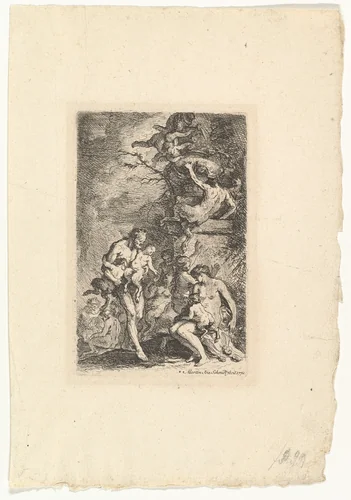
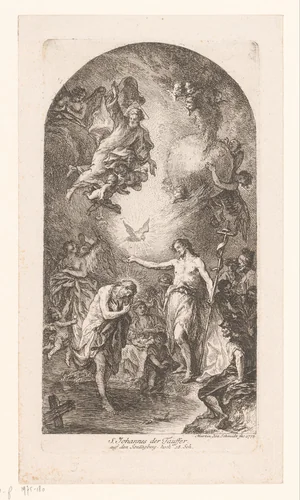
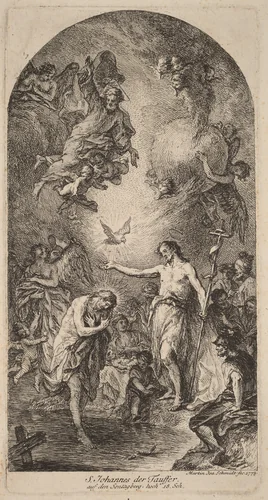
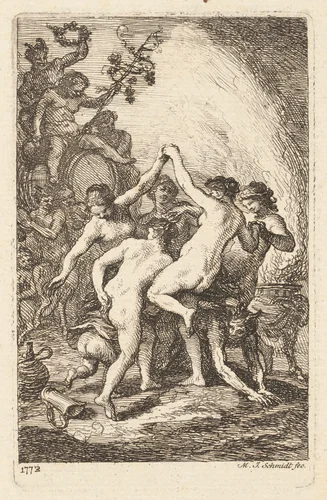
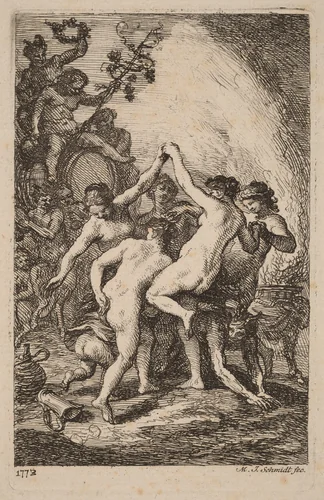
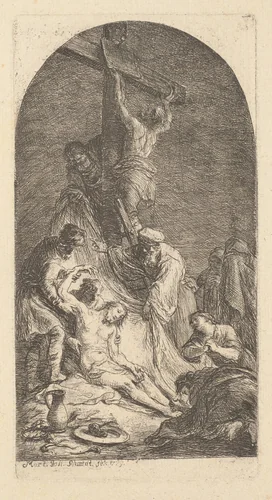
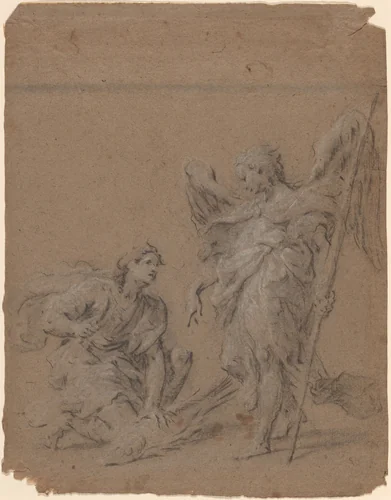
Equally noteworthy are his secular studies, which display a keen interest in historical and allegorical genre scenes, exemplified by the meditative quality of An Oriental Astronomer in His Study or the classical staging of Satyrs and Nymphs. The nine surviving prints and six drawings cataloged from his prolific career further attest to his command of graphic media, where he often explored the same narrative themes found in his major paintings.
The quality and sheer quantity of Schmidt’s work secured his immediate and lasting reputation. His enduring relevance is reflected in the fact that major international institutions actively collect and display his pieces; high-quality prints of his work are held in prominent global venues, including the National Gallery of Art, the Metropolitan Museum of Art, and the Rijksmuseum. The artist, who spent most of his career based in the Lower Austrian town of Stein, rarely traveled outside the immediate vicinity of the Danube valley, yet his sophisticated grasp of broader European trends was absolute. Because much of his oeuvre falls into the public domain, the accessibility of Martin Johann Schmidt prints and paintings allows scholars and enthusiasts worldwide to study the stylistic refinements he brought to 18th-century Central European art. The depth of feeling and technical precision found even in his preparatory sketches ensure that Kremser Schmidt remains essential viewing for understanding the zenith of Austrian Rococo.
Source: Wikipedia · CC BY-SA 4.0