Martin Engelbrecht
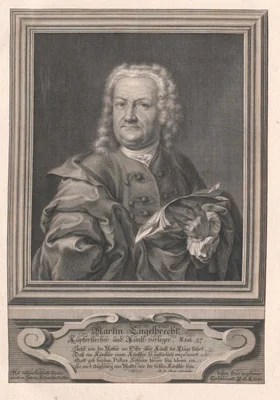
Martin Engelbrecht (active 1700-1745) was a prominent engraver, printer, and publisher based in Augsburg, Holy Roman Empire, whose workshop profoundly influenced Baroque visual culture. His technical mastery and entrepreneurial spirit established him as a central figure in the dissemination of ornamental design and complex figurative studies across Europe. Engelbrecht’s works are now preserved in institutional holdings globally, including the Metropolitan Museum of Art and the National Gallery of Art.
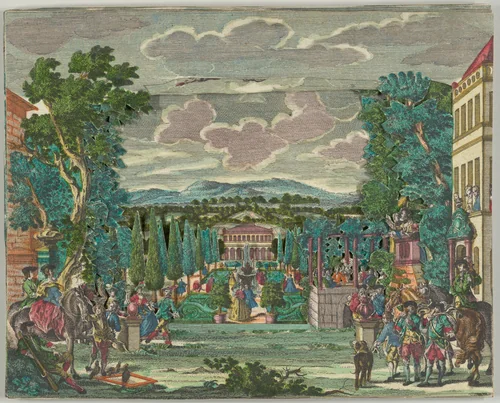
Engelbrecht’s most enduring legacy stems from his pioneering development of the Perspective Theater. These highly innovative devices, alternately known as paper theaters or dioramas, utilized multi-layered, intricately cut engravings to create an unparalleled illusion of deep, three-dimensional space when viewed through a small aperture. This ingenious engineering of depth revolutionized the visual entertainment of his time, effectively offering audiences affordable, portable gateways into artificial worlds—a defining characteristic of the Baroque fascination with complex illusion.
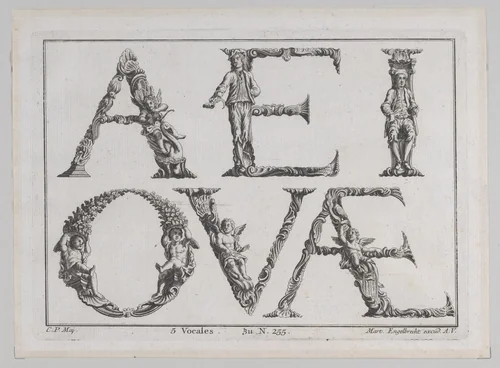
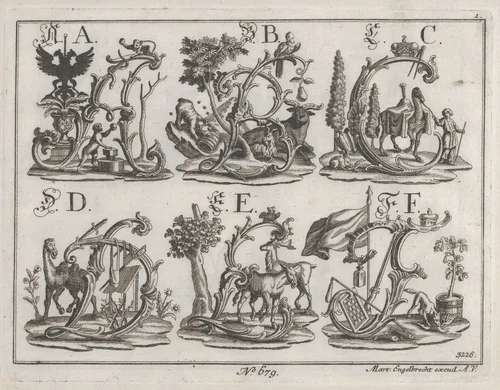
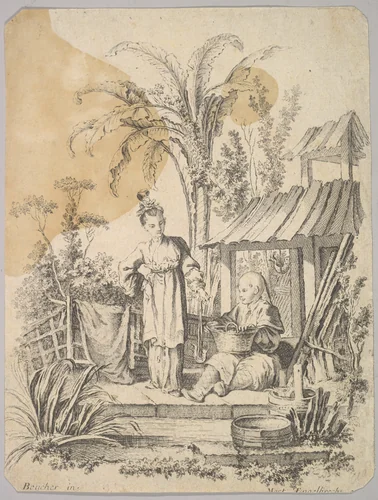
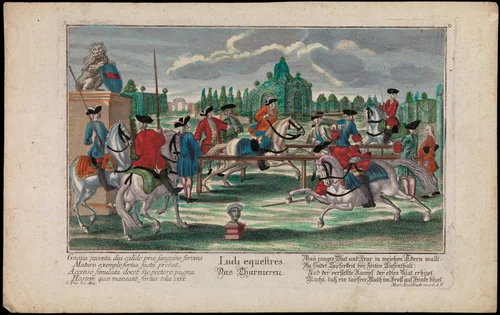
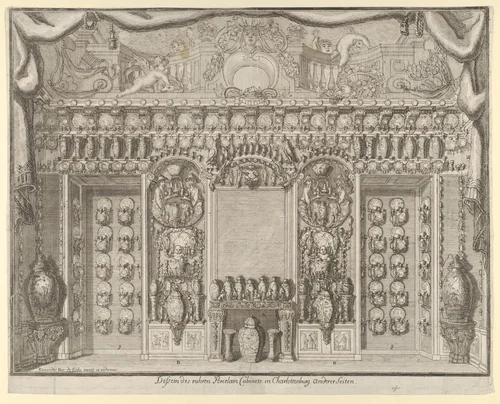
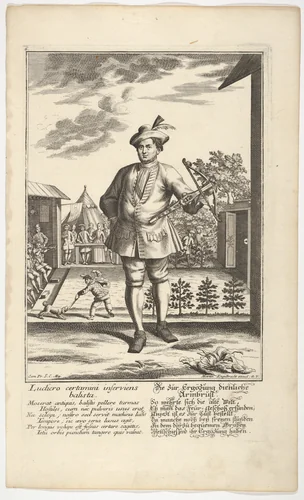
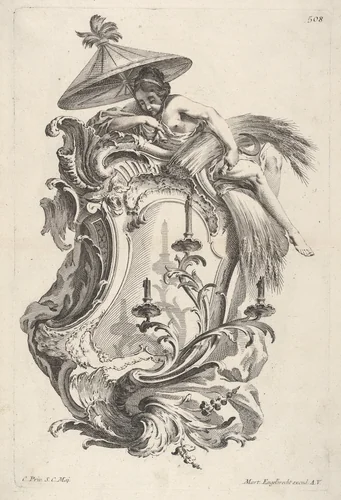
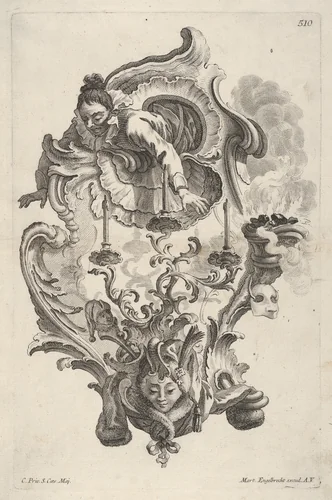
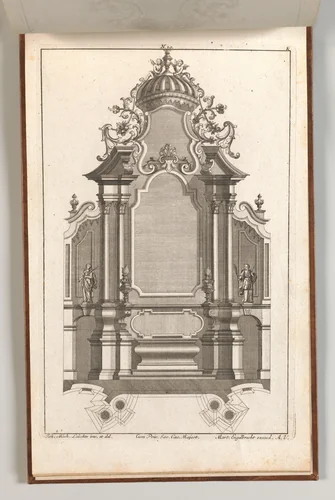
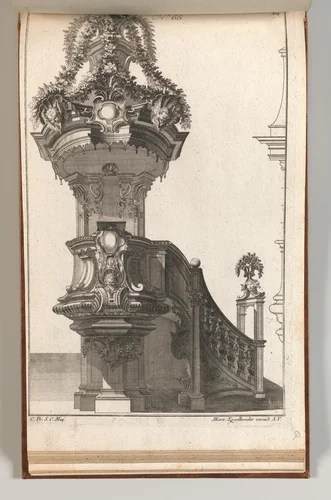
The breadth of the Engelbrecht studio output spanned both commercial design and detailed documentation. His portfolio included comprehensive instructional sets, such as the detailed Decorated Roman alphabet, and specific figurative studies like Man Sitting and Woman Carrying a Fish. He was also responsible for monumental printed volumes, notably Ludi equestres. Das Thurnieren (The Tournament), which meticulously documented elaborate courtly spectacles. His versatility allowed him to move fluidly between fine art printmaking and practical application, evidenced by precise architectural renderings like the Design for the Porcelein Cabinet at the Charlottenburg Palace.
The clarity and technical precision exhibited in Martin Engelbrecht prints ensured his prolific output was widely distributed and highly influential. These works are sought by historians and enthusiasts alike for their historical significance in pre-cinematic visual mechanics. It is a testament to the quality and durability of his original plates that many remain available today as museum-quality, high-quality prints through public domain initiatives, allowing the innovative spirit of this important Baroque master to remain accessible.
Source: Wikipedia · CC BY-SA 4.0