Martin Droeshout
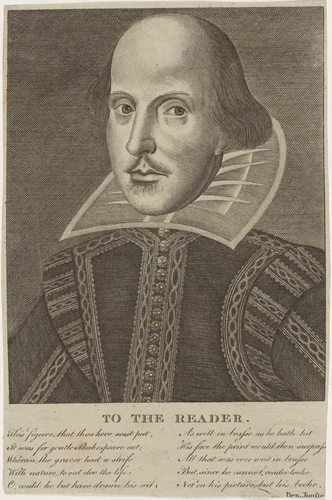
Martin Droeshout, an English engraver of Flemish descent, holds a decisive, if singular, position in the history of English portraiture. He is best known for fixing the likeness of the world’s most famous playwright: his engraved portrait of William Shakespeare serves as the frontispiece to the monumental 1623 First Folio of the Bard’s collected works. Commissioned by the playwright’s fellow actors, John Heminges and Henry Condell, this image of William Shakespeare cemented Droeshout’s significance for posterity, ensuring that one of the only accepted images of the dramatist is directly attributable to his hand.
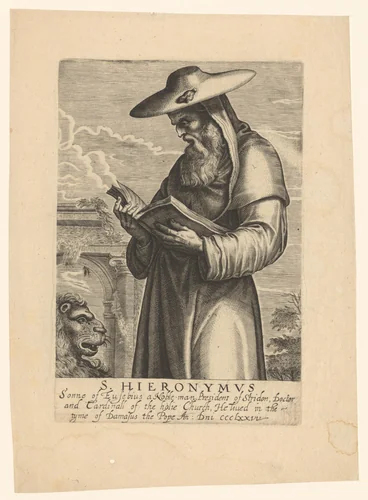
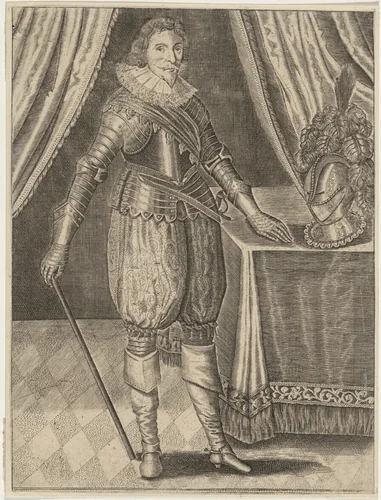
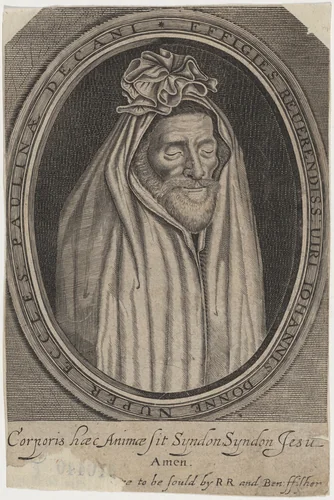
Active for decades, roughly between 1570 and 1633, Droeshout produced a limited but significant body of work within the burgeoning English print market. While the Folio portrait is his most famous contribution, historical evidence suggests he executed at least eight known prints, some of which demonstrate greater technical proficiency and more ambitious design strategies than the well-known Shakespearean image. His career involved crafting professional commissioned portraits, a vital medium for disseminating the images of powerful figures in the Jacobean and Caroline eras.
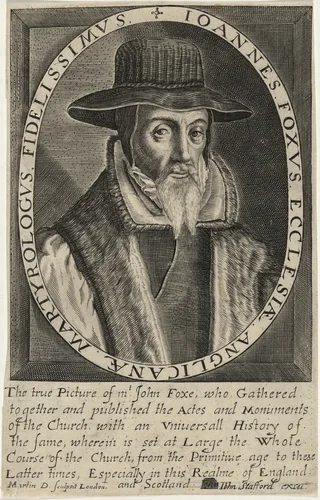
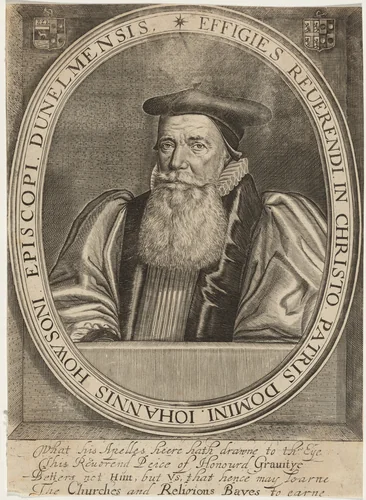
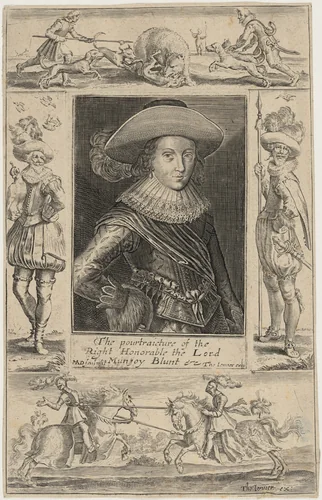
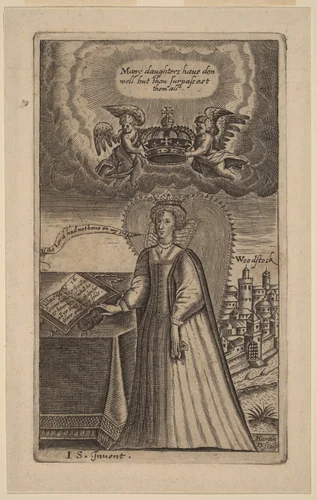
Droeshout’s portfolio includes distinguished figures from religious, political, and aristocratic circles. These subjects include the respected cleric John Howson, Bishop of Durham, and the powerful nobleman Mountjoy Blount, First Earl of Newport. Furthermore, his scope extended to figures central to English cultural life, notably the reformer John Foxe, author of the widely circulated Book of Martyrs, and a likeness of the monarch in his portrait of Queen Elizabeth. It is perhaps an intriguing historical irony that the specific image responsible for granting him enduring fame—the print of William Shakespeare—is often considered artistically the least sophisticated of his museum-quality works, a stylistic divergence that continues to fuel scholarly debate about its execution and provenance.
The work of Martin Droeshout is housed today in major international repositories, including the Rijksmuseum and the National Gallery of Art. Due to the era of his production, many of his important prints now reside within the public domain. This accessibility ensures that these significant historical documents, available today as high-quality prints, continue to inform our visual understanding of England’s crucial early modern period.
Source: Wikipedia · CC BY-SA 4.0