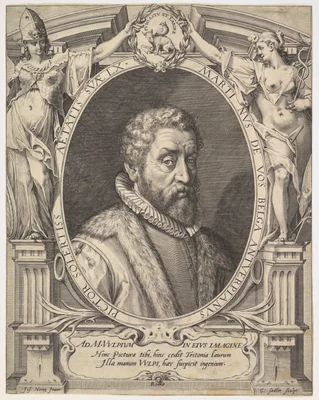
Marten de Vos
Marten de Vos (c. 1532-1603), also known as Maerten de Vos the Elder, stands as one of the pivotal masters who helped redefine artistic production in the Spanish Netherlands following the widespread religious turmoil of the 1560s. Operating out of Antwerp, De Vos, alongside contemporaries such as Ambrosius Francken I and Frans Francken I, ascended to the forefront of history painting. This period saw the career of the influential Frans Floris decline precipitously following the Beeldenstorm, or Iconoclastic fury, leaving a vacuum that De Vos deftly filled.
De Vos demonstrated exceptional versatility, handling large-scale history and allegorical commissions with equal aplomb, though he was also a highly capable portraitist. His oeuvre is characterized by a dynamic, late-Mannerist style, often incorporating the dramatic muscularity and high tension favored by Italian models, adapted to Flemish sensibilities. His extensive output, including numerous religious commissions and mythological scenes, ensured that Marten de Vos paintings and preparatory studies remained highly influential through the turn of the century. Indeed, his prolific capacity to manage a substantial workshop and satisfy demand during a time of instability suggests that De Vos was not merely an artist, but a key infrastructural manager of Antwerp's visual culture.
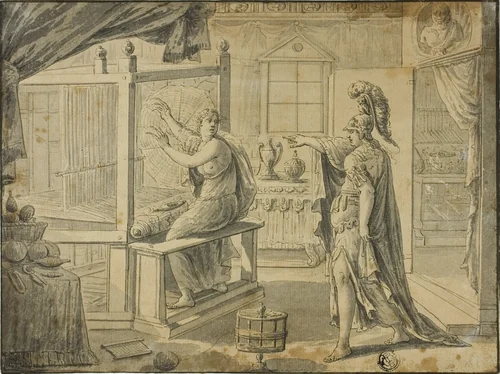
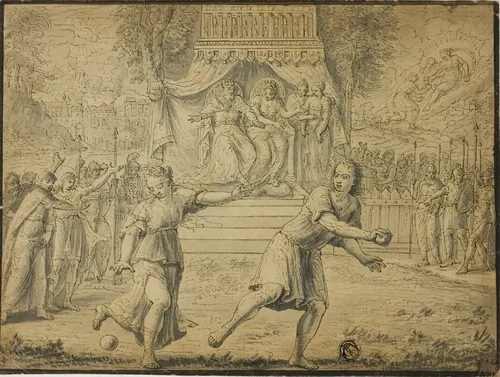
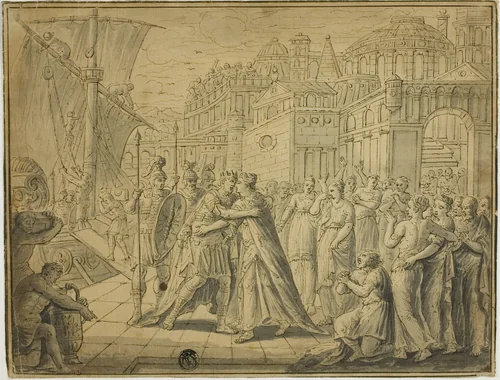
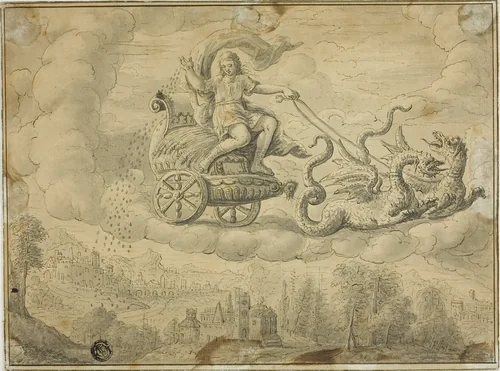
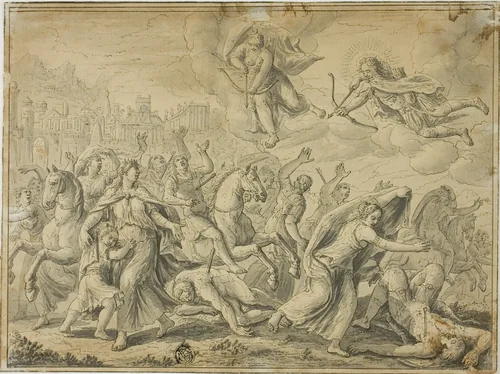
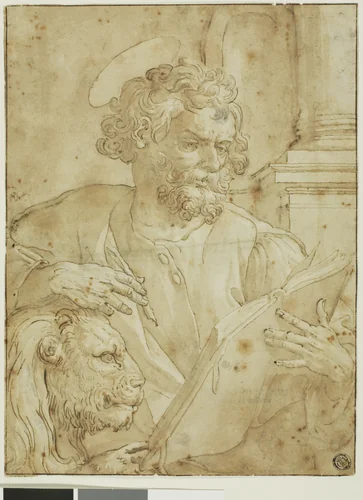
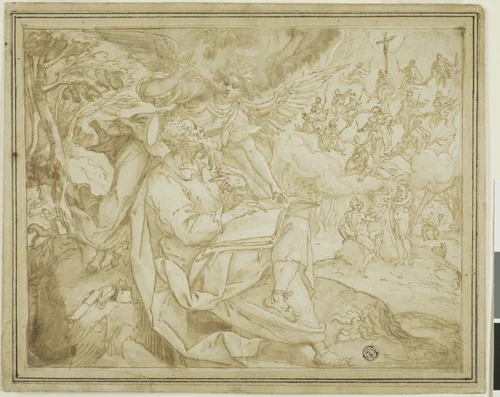
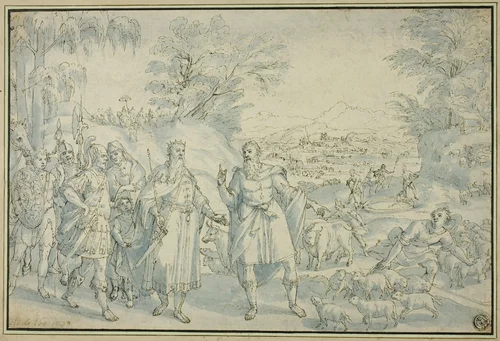
His drawings, often studies for prints or larger oil paintings, reveal his mastery of classical narrative and psychological insight. Works held in major collections internationally, such as the eight drawings currently housed at the Art Institute of Chicago, showcase this narrative focus, whether exploring the consequences of divine hubris in the powerful Death of Niobe's Children or charting mythological transformation in Arachne Being Turned into a Spider by Minerva. Other surviving studies include the classical competition of Atlanta Racing Hippomenes, the agricultural deity Triptolemus, and the dramatic meeting of Dido and Aeneas Embracing before Gates of Carthage.
These complex compositions confirm De Vos's skill in translating literary sources into compelling visual drama. Today, his masterful preparatory works are often utilized in museum-quality presentations, with high-quality prints available globally, confirming his enduring appeal and securing his legacy as a central figure in the transition from Mannerism to the Baroque in Northern Europe.
Source: Wikipedia · CC BY-SA 4.0