Marsden Hartley
Marsden Hartley (1877–1943) stands as a foundational figure in American Modernism, recognized not only as a pivotal painter but also as a dedicated poet and essayist whose prolific career spanned the decades between 1909 and 1941. His significance stems from a crucial, self-directed engagement with the European avant-garde, which allowed him to translate radical international styles into a distinctly American visual vocabulary.
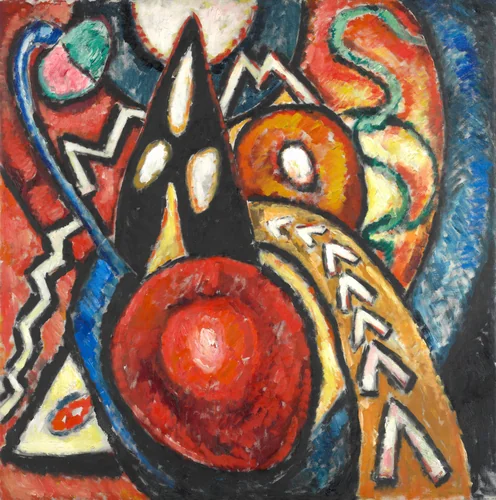
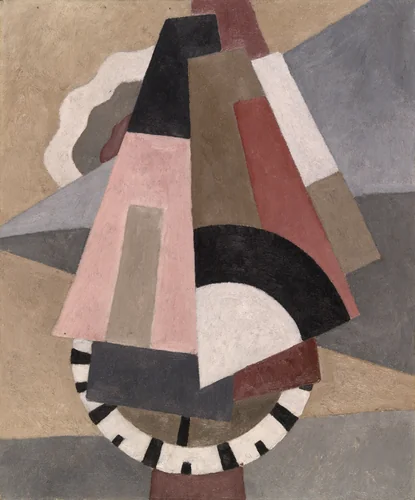
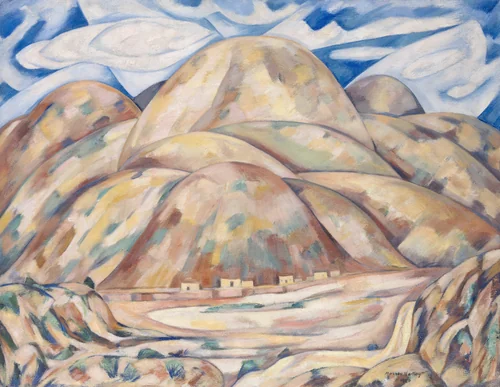
Unlike many of his contemporaries who adhered to established academic routes, Hartley developed his painting abilities through intensive observation of leading Modernist practitioners in the major cultural centers of Paris and Berlin. He assimilated the structural innovations of Cubism, transforming its geometric discipline and planar breakdown of form into a dynamic system that he utilized both in fully abstract compositions, such as Movements, and in intensely focused regional landscapes.
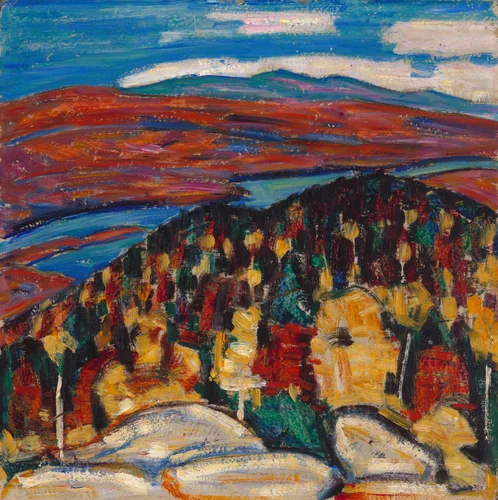
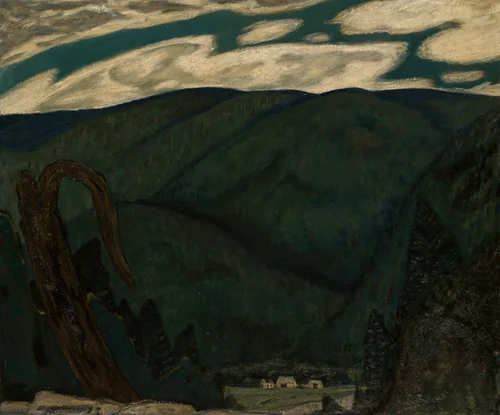
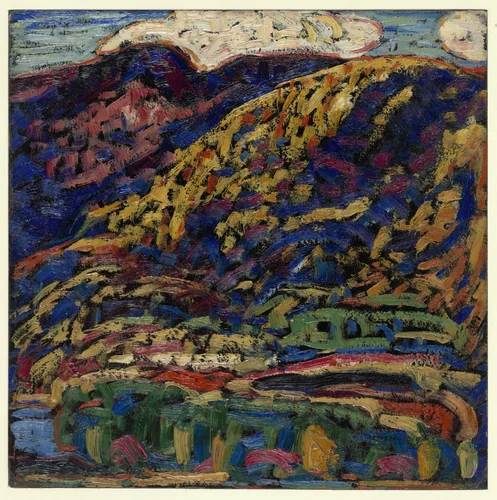
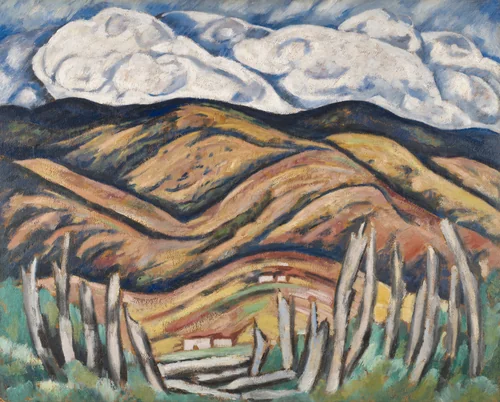
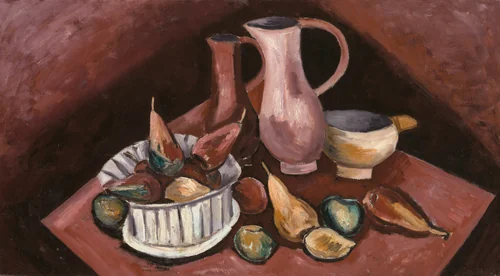
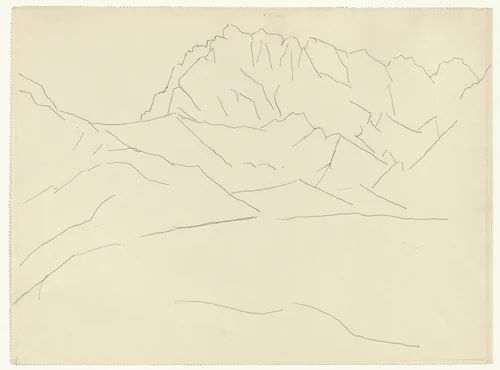
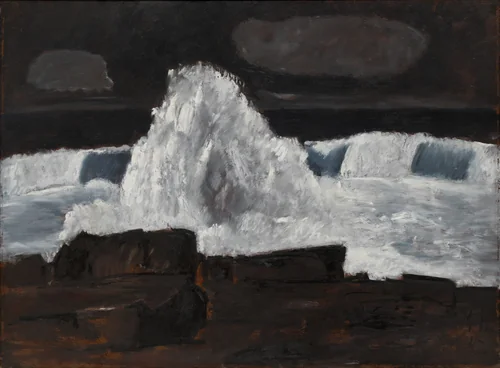
Hartley’s output is characterized by a relentless geographical and stylistic movement. His time in Europe led to a powerful phase of abstraction marked by geometric intensity, but he eventually redirected his energy toward the raw, elemental power of the American Northeast. This phase produced some of his most celebrated works, including Landscape no. 26, The Dark Mountain, and the regional studies Maine Mountains, Autumn and Provincetown.
The inherent restlessness, a constant search for spiritual and geographic mooring, is perhaps the most compelling trait of Hartley’s art, lending his later landscape paintings a stark, almost monumental gravity. This commitment to elemental authenticity resonated deeply, securing his legacy.
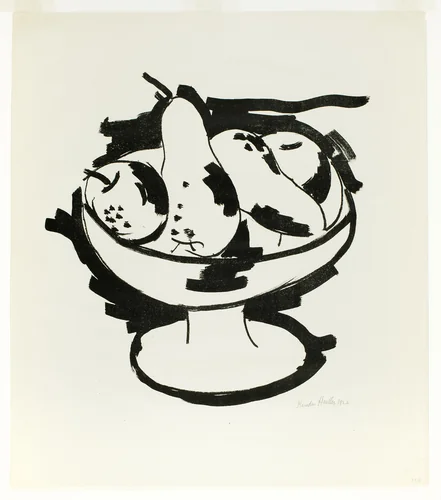
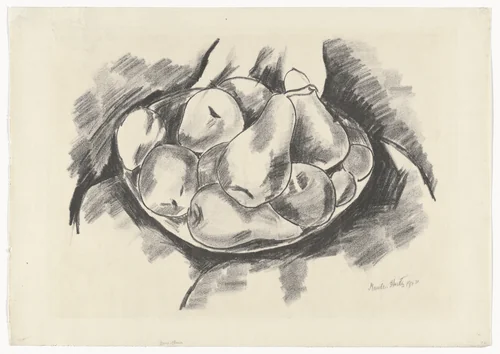
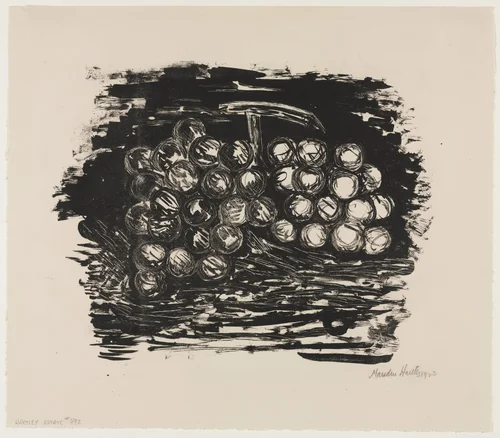
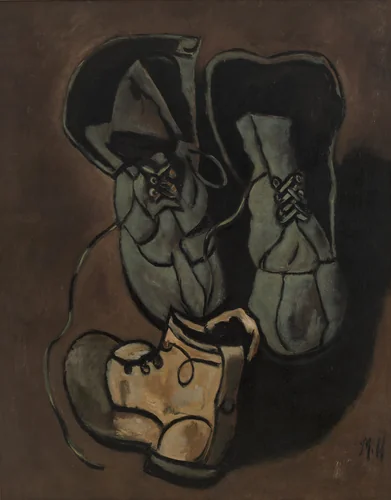
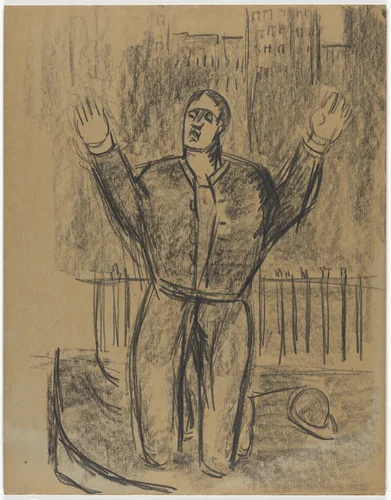
Today, his oeuvre is widely studied, encompassing 10 major paintings, 3 prints, and 2 drawings documented in key databases. Major museum-quality holdings reside in institutions such as the Museum of Modern Art and the Art Institute of Chicago. As many Marsden Hartley paintings and original drawings transition into the public domain, high-quality prints and downloadable artwork are becoming increasingly available, allowing continued access and appreciation of this transatlantic master.
Source: Wikipedia · CC BY-SA 4.0