Mark Ruwedel
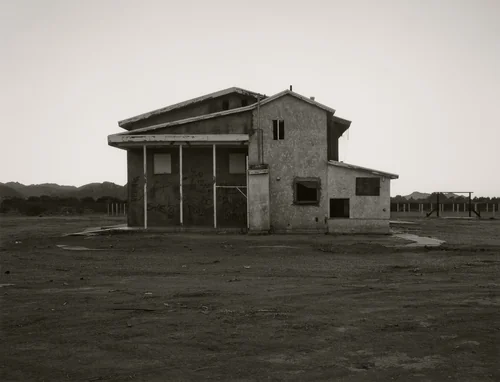
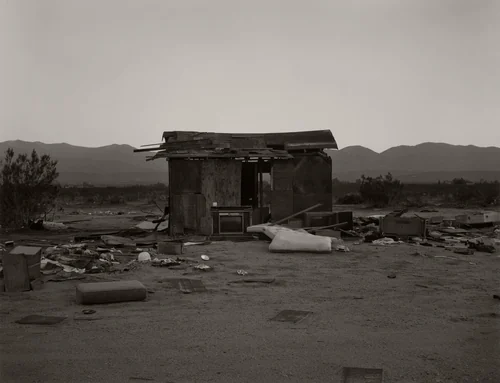
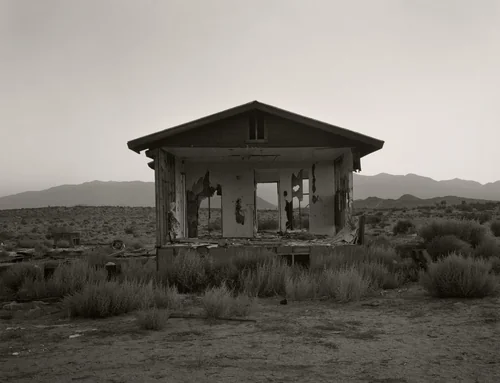
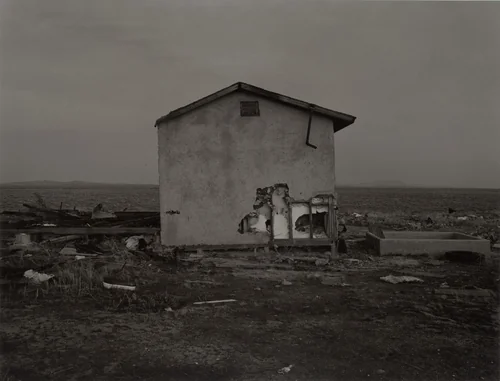
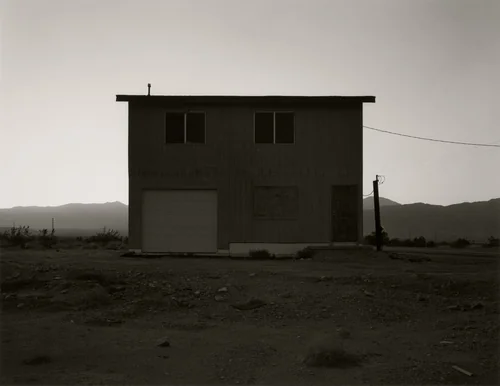
Mark Ruwedel is an influential American landscape photographer and educator whose systematic documentation of North American infrastructure and geological history has secured his work within major institutions, most notably the permanent collection of the National Gallery of Art. Active during a focused and prolific period between 1993 and 2000, Ruwedel established a unique approach to the Western landscape, treating topography not as a static vista, but as an historical archive defined by human intervention.
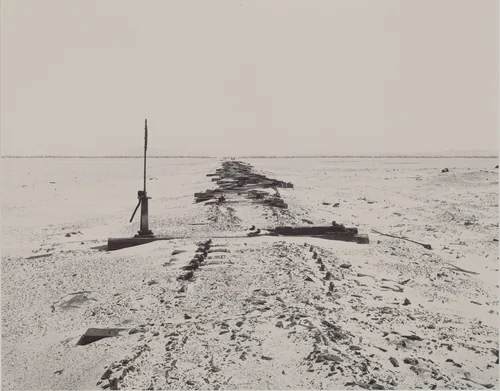
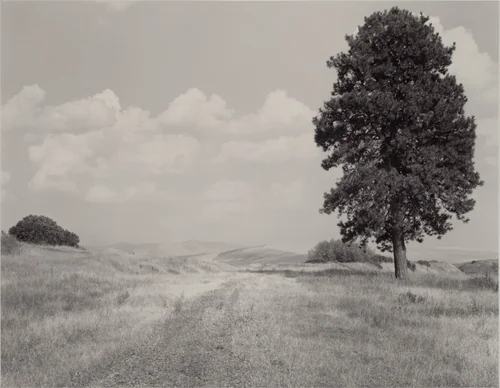
His primary body of work consists of focused photographic series that examine the indelible, and often fading, marks left by continental ambition. Works such as Central Pacific and Union Pacific function as detailed investigations into the residual evidence of transcontinental railway expansion, documenting routes that often exist only as subtle scars on the earth or in specialized cartography. Ruwedel’s technique transforms these historical passages into formal, rigorous compositions, making him a photographer of ghosts in the machine of Western history.
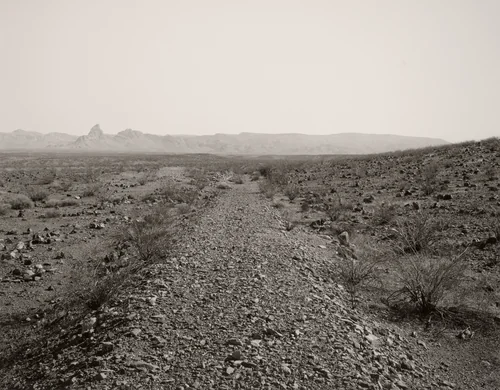
Similarly, his intense visual scrutiny of arid environments in series like Death Valley and Tecopa reveals profound ecological and geological shifts over time. The photographic suite Lake Manly: Death Valley, Ancient Footpath, from Nevares Springs to the Lake exemplifies his methodology, tracing specific, forgotten pathways and transforming them into comprehensive visual records. These works elevate the non-monumental and the marginalia of civilization to the subject of serious inquiry.
Ruwedel applies a technical rigor to his process, producing highly sophisticated compositions that result in museum-quality prints. His documentary style subtly references the 19th-century government surveyors and photographers whose extensive records often now reside in the public domain. This historical nod provides a conceptual framework for Ruwedel’s own contemporary output. Today, these powerful Mark Ruwedel prints continue to reshape the critical dialogue surrounding environmental intervention and the photographic depiction of time.
Source: Wikipedia · CC BY-SA 4.0