Mark Catesby
Mark Catesby (1683–1749) is widely regarded as the foundational figure in the visual documentation of North American nature. As an English naturalist and illustrator, his magnum opus, The Natural History of Carolina, Florida and the Bahama Islands, published serially between 1729 and 1747, stands as the first comprehensive, illustrated account of the region's diverse flora and fauna. This work fundamentally altered European scientific understanding of the New World.
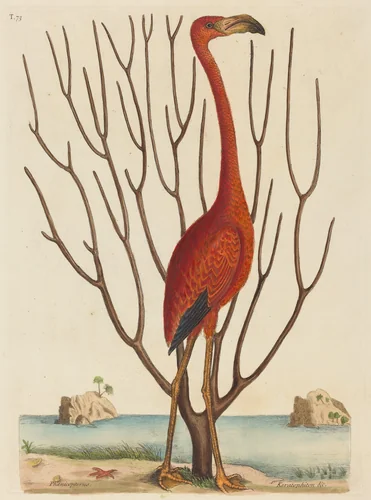
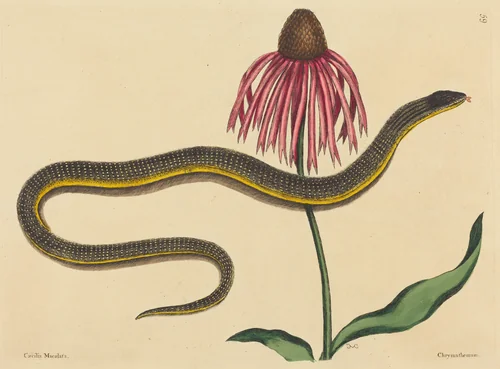
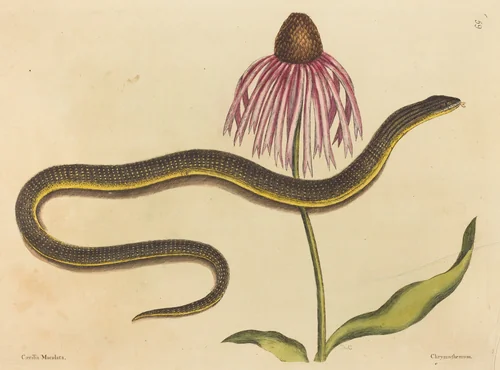
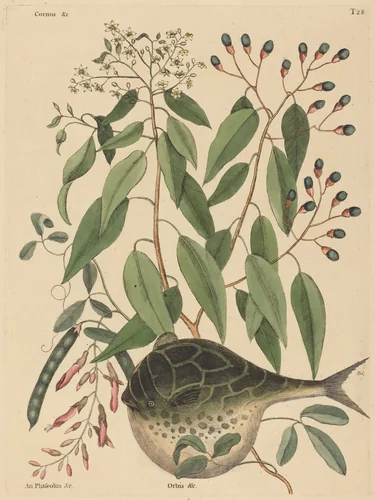
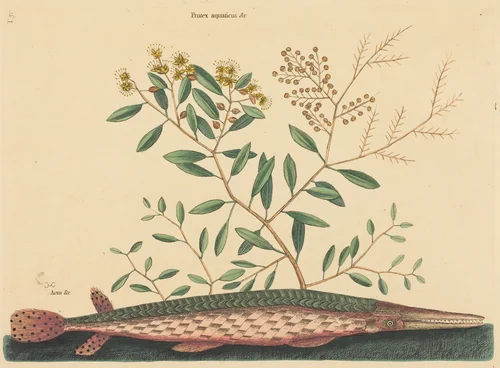
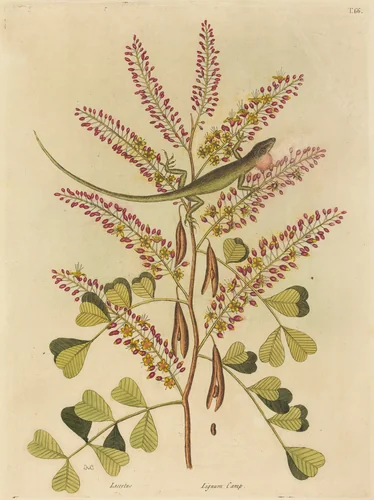
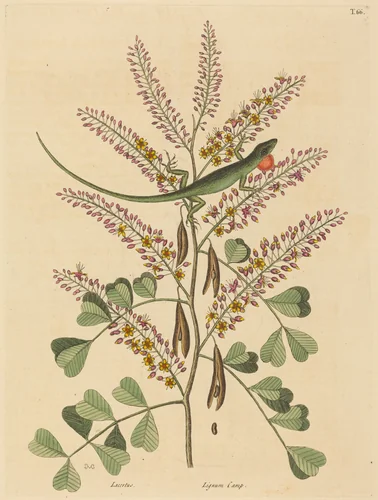
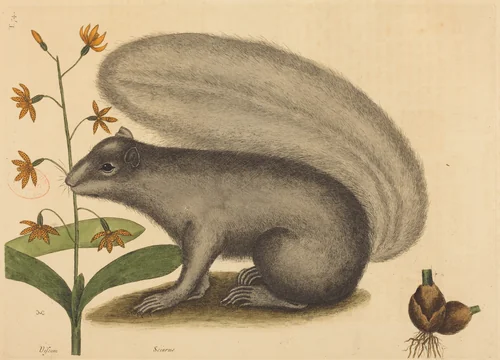
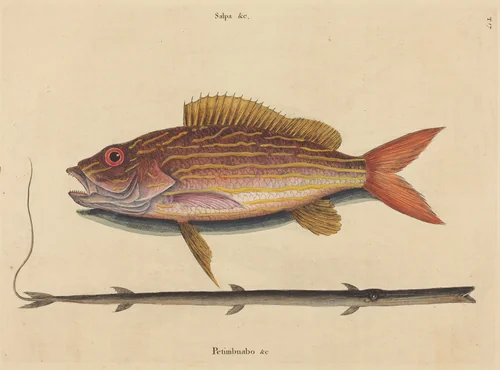
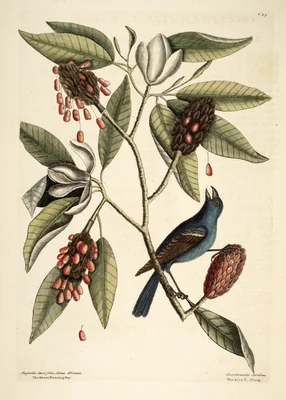
The Natural History comprised 220 copperplate engravings illustrating a vast range of subjects, including birds, reptiles, fish, insects, and plants. Catesby’s innovation lay in his meticulous process: he performed the arduous tasks of collecting, drawing, etching the plates, and often coloring the prints himself. This vertical integration ensured a rare standard of scientific fidelity and artistic consistency previously unseen in such natural surveys. His subjects, ranging from the delicate Cat's Claw (Mimosa circinalis) to the unsettling Centipede (Scolopendra morsitans), were rendered with both scientific precision and a vibrant, immediate aesthetic.
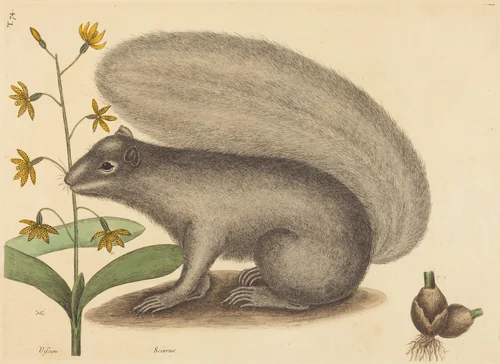
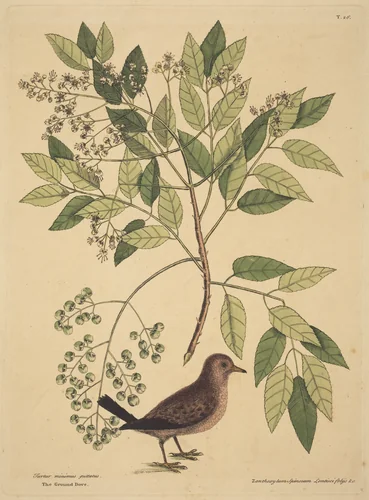
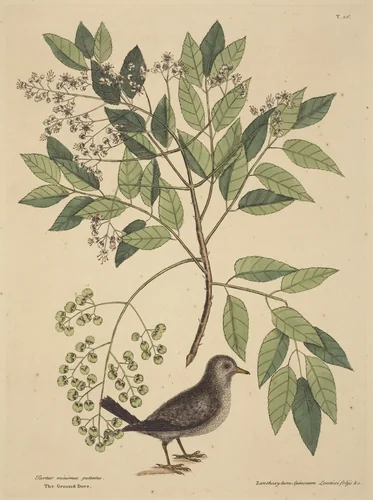
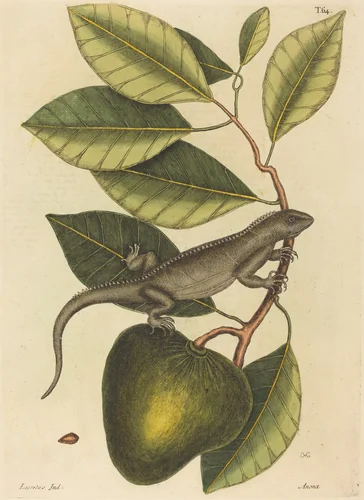
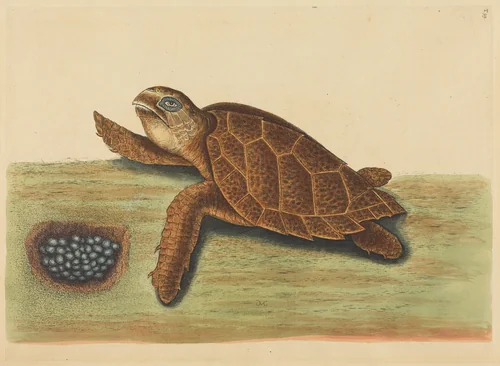
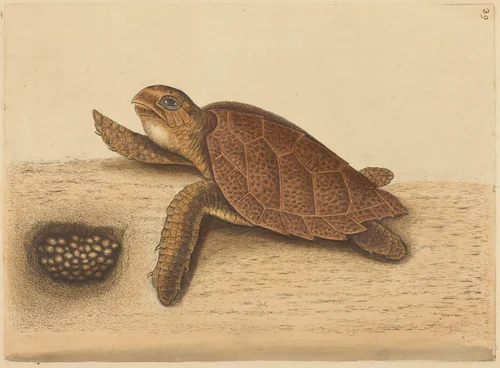
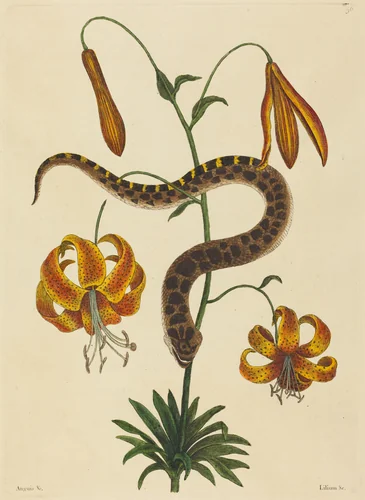
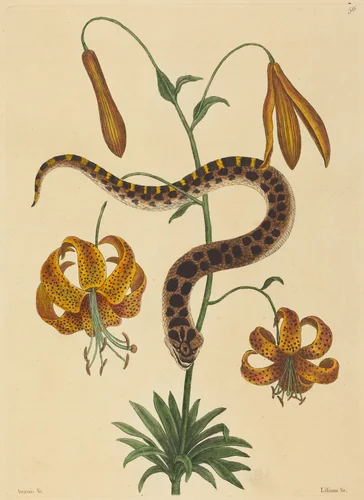
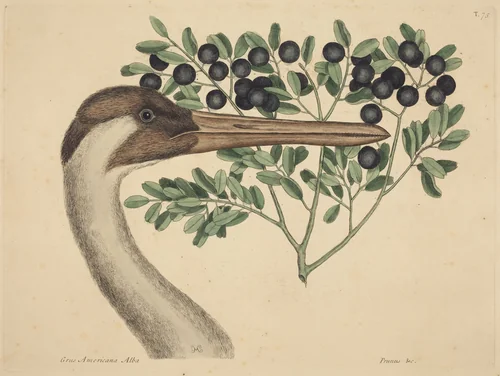
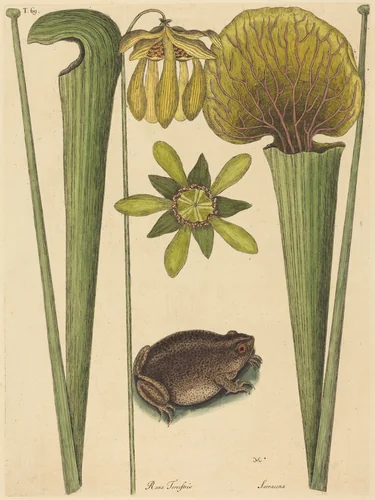
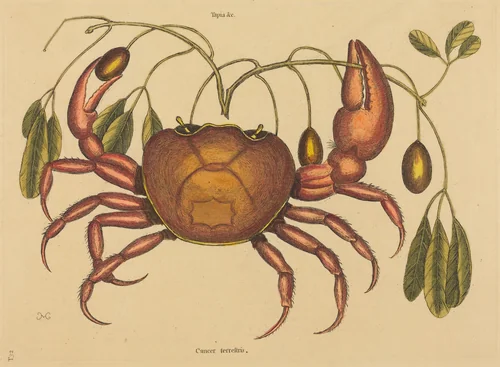
Catesby was a pioneer of ecological context, often depicting creatures in situ—pairing a bird with its specific food source or showing an insect on its host plant. This established a new methodology for natural history illustration, transforming the simple taxonomic catalog into a dynamic portrayal of ecosystem relationships. While his intention was primarily scientific, Catesby’s artistic sensibility is evident in the striking compositions and saturated palettes, particularly visible in detailed plates like the Red Mottled Rock-crab (Cancer grapsus).
The publication secured Catesby’s reputation across Europe and provided crucial reference material for subsequent taxonomists, including Carl Linnaeus. The monumental scale of the project defined the standard for the genre throughout the eighteenth century. Today, these early works remain highly valued, sought after not only for their biological importance but for their sheer artistic merit. Catesby’s original studies are essential documents, and high-quality prints derived from the original plates ensure that these museum-quality illustrations continue to be accessible in the public domain. The continued study of Mark Catesby prints underscores his indispensable contribution to the intersection of science and visual arts.
Source: Wikipedia · CC BY-SA 4.0