Marius Hansen
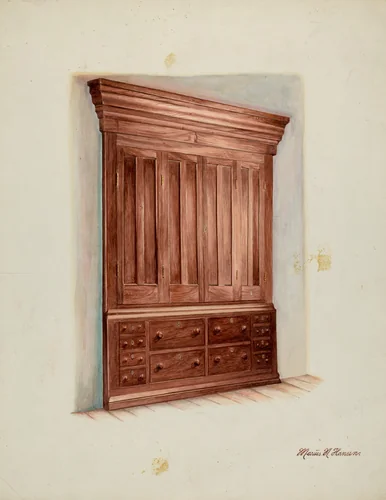
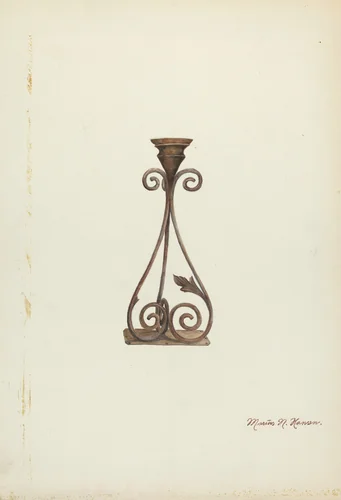
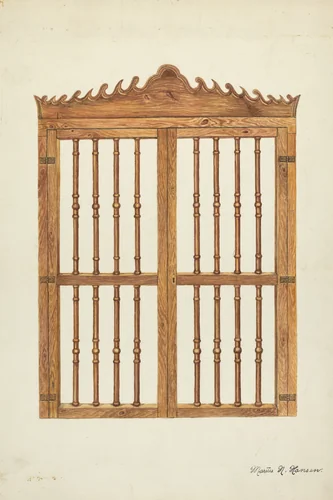
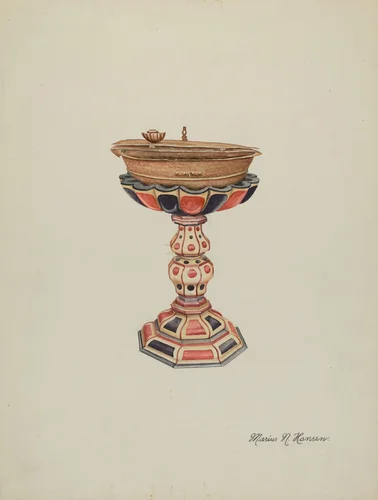
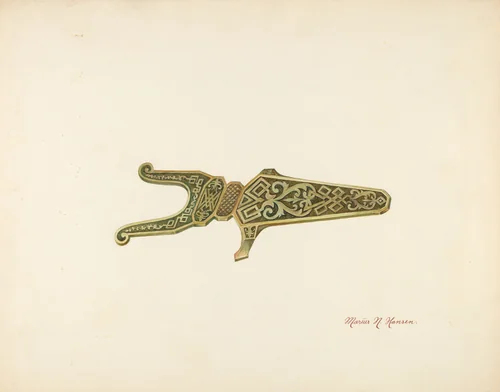
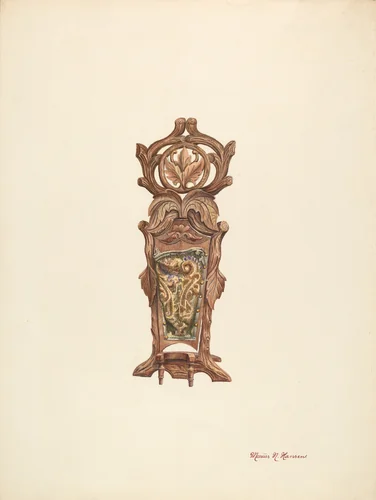
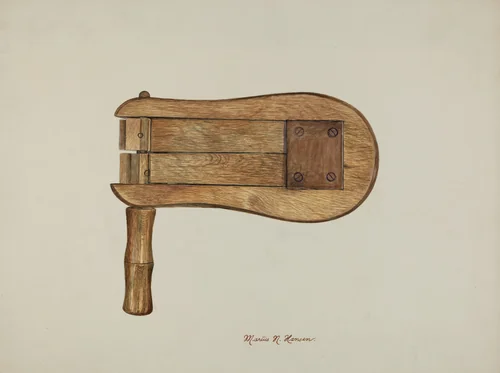
Marius Hansen holds a distinct position among the draftsmen who contributed to the Index of American Design (IAD), the monumental documentation project housed today within the National Gallery of Art. Active during the critical period of 1935 to 1940, Hansen focused on rendering functional objects and vanishing examples of American folk sculpture, thus preserving crucial visual records of the nation’s vernacular material culture during the Great Depression.
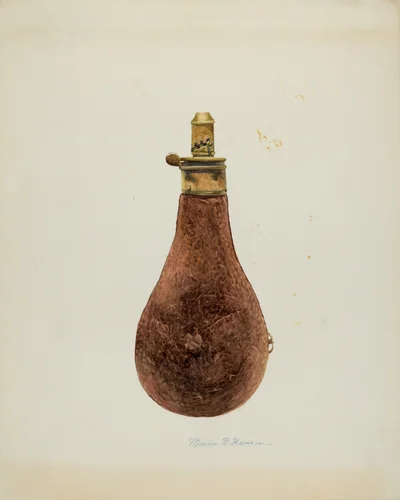
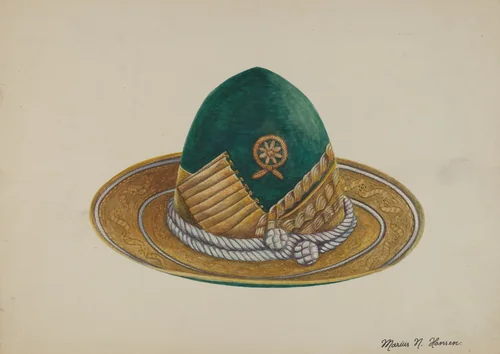
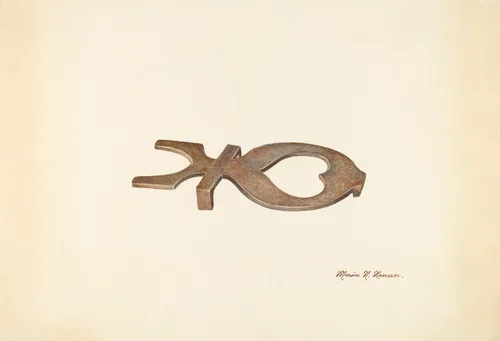
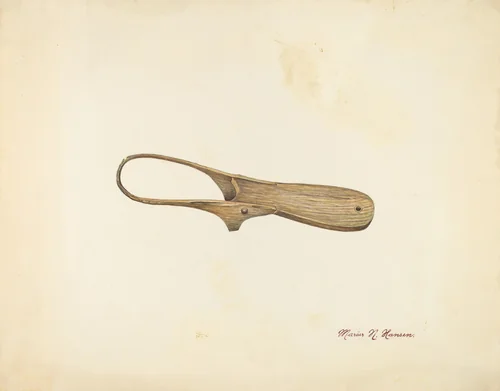
The IAD employed artists to create exacting, often watercolor, depictions of historical artifacts, ensuring their aesthetic qualities survived even if the physical objects did not. Hansen’s methodology was characterized by technical rigor and a keen observational eye for texture and surface decay. His contributions reflect the IAD’s commitment to historical accuracy, capturing the subjects with museum-quality fidelity.
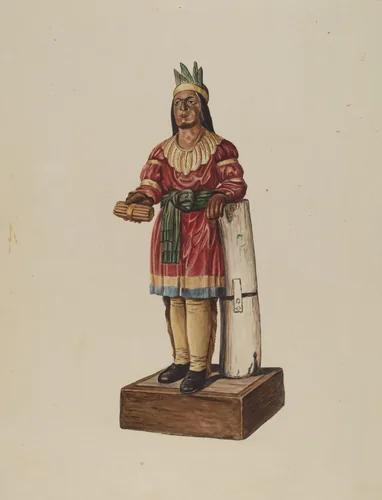
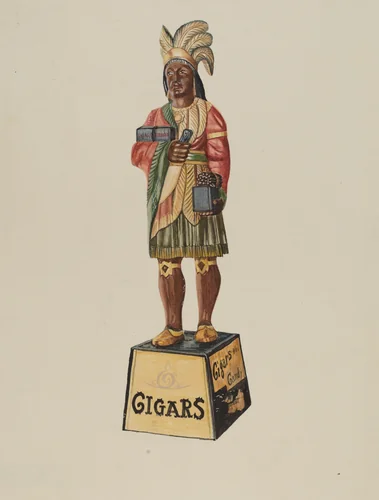
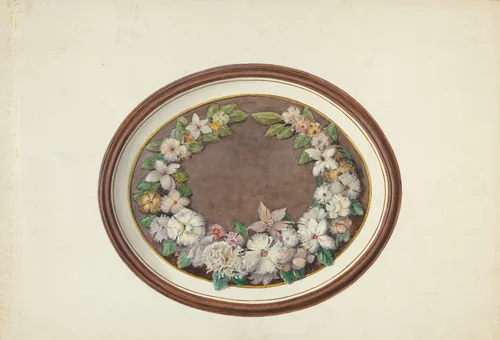
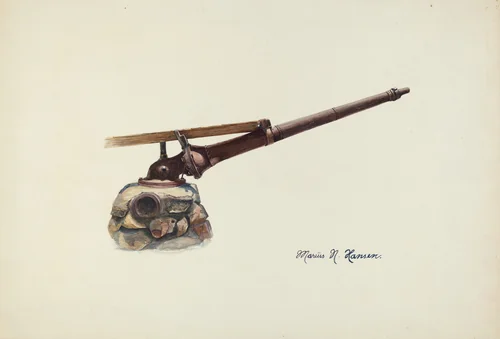
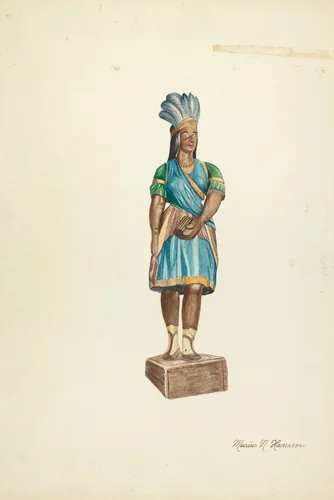
Hansen primarily documented traditional American commercial signage and utilitarian forms. His renderings of anthropomorphic advertising figures are particularly noteworthy, including detailed studies of the Cigar Store Indian and the distinct, highly stylized Wooden Indian (Female). These works function less as illustrations and more as archaeological records, detailing the craftsmanship, paint loss, and patina of objects that served as early American marketing tools. His portfolio also archived items illustrating domestic sentimentality, such as the meticulous depiction of a Feather Wreath Oval Frame, juxtaposed alongside highly functional industrial items like a Water Nozzle.
While his artistic legacy rests squarely on his contributions to preservation through documentation, Hansen’s biography includes a compelling counterpoint. Before his career as a draftsman, Aage Marius Hansen was an elite Danish athlete. He was a member of the Danish gymnastics team that secured the bronze medal in the men’s team, free system event at the 1912 Summer Olympics. This background in physical discipline and highly coordinated precision subtly informs the systematic approach and painstaking detail evident in his artistic output two decades later.
Today, Hansen’s historically valuable IAD works are considered part of the public domain. They are widely utilized by historians and designers, and the images are frequently available as high-quality prints and downloadable artwork, ensuring that the vernacular artifacts he preserved continue to influence scholarship and contemporary design.