Mario Cartaro
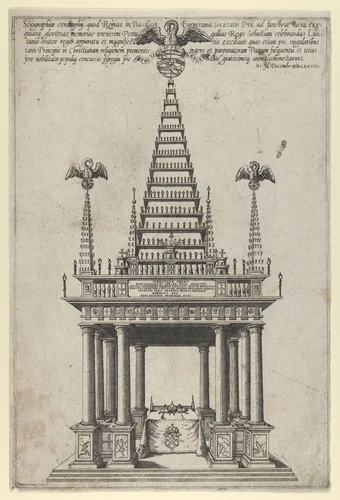
Mario Cartaro was a central figure in the dissemination of visual culture during the later sixteenth century in Rome. Active predominantly between 1560 and 1578, his practice encompassed the vital roles of engraver, draftsman, and print merchant, positioning him uniquely at the intersection of artistic creation and commercial distribution. While his full catalogue is believed to be extensive, approximately thirteen high-quality prints survive in major collections today, illuminating the high technical standards of his workshop.
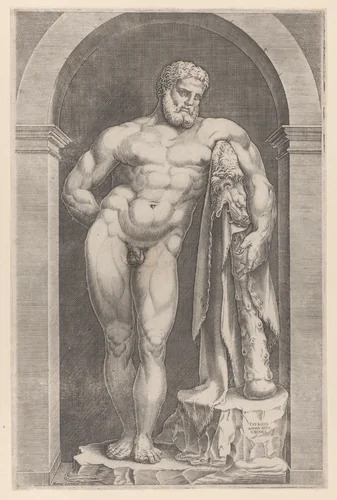
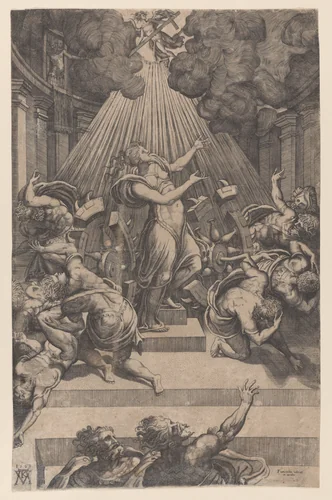
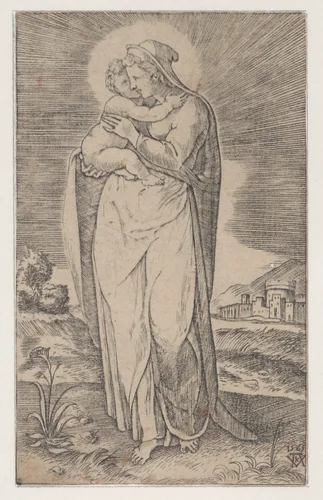
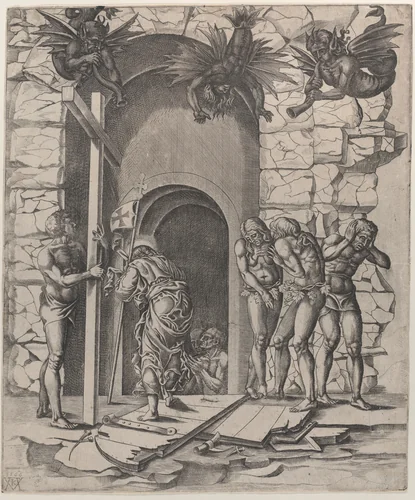
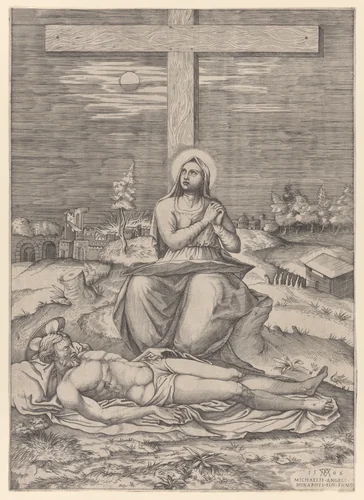
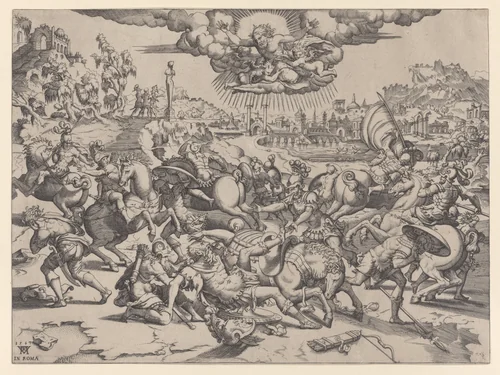
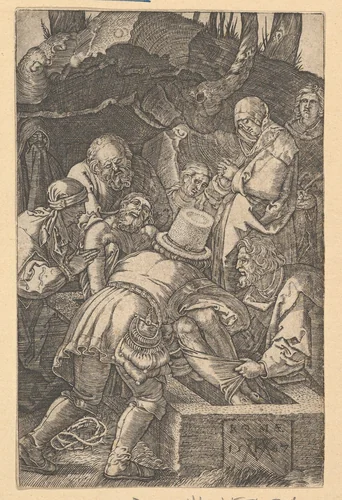
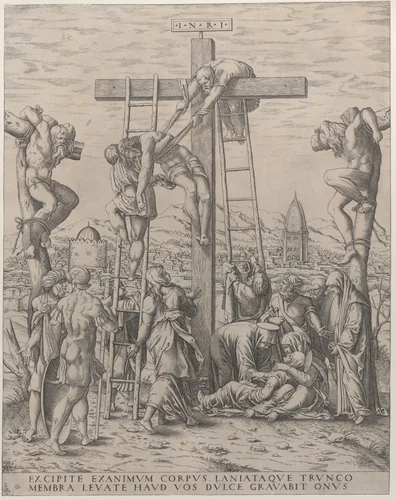
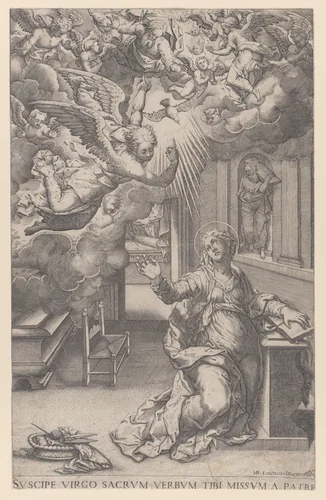
Cartaro’s primary artistic output involved translating the achievements of others into the accessible medium of copperplate engraving. He became renowned for meticulous renderings of established masterpieces, serving as a key figure in the Renaissance movement of print-based reproductions. His subjects spanned classical iconography, exemplified by his powerful depiction of the colossal sculpture Farnese Hercules, and complex religious scenes, such as the dramatic The Lamentation of the Virgin Beneath the Cross and the forceful Christ descending into Limbo. These Mario Cartaro prints were critical in circulating visual knowledge across Europe, providing artists and collectors alike with access to works they might never see in person.
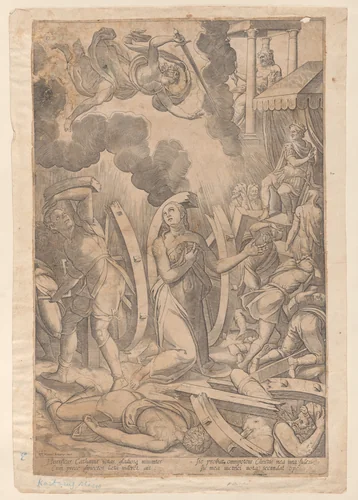
It is perhaps telling of his commercial acumen that the volume of his geographical output eventually overshadowed his fine art prints in contemporary popularity. While Cartaro was adept at devotional subjects like The Martyrdom of Saint Catherine, his historical significance rests most firmly on his contributions to cartography. During a period of intense geographical discovery, Cartaro’s views of the city and highly detailed maps were crucial commercial commodities, establishing him as one of the era’s most effective visual communicators of both ancient ruins and contemporary territories.
Cartaro’s work provides a rich record of the visual economy of the mid-sixteenth century, showing how artists leveraged reproducibility and the nascent print trade to meet burgeoning public demand. Today, institutions like the Metropolitan Museum of Art hold examples of his work, ensuring these museum-quality reproductions are preserved. Owing to the age and historical provenance of the works, many of Cartaro’s engravings are now in the public domain, allowing enthusiasts access to downloadable artwork for study and appreciation.
Source: Wikipedia · CC BY-SA 4.0