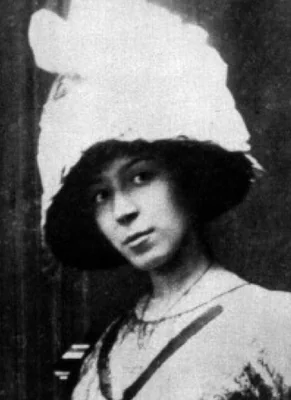
Marie Laurencin
Marie Laurencin (1883-1956) was a singular and highly influential figure in the Parisian avant-garde of the early twentieth century. A French painter and printmaker of formidable talent, she achieved rapid recognition, securing her place as a key member of the intellectual circle associated with the Section d’Or, a critical offshoot of Cubism. While the movement’s pioneers were often dedicated to analytical fracturing and intellectual rigor, Laurencin utilized the structural innovations of modernism to forge a distinctly personal aesthetic, creating a visual language defined by lyricism, elegance, and soft pastel hues.
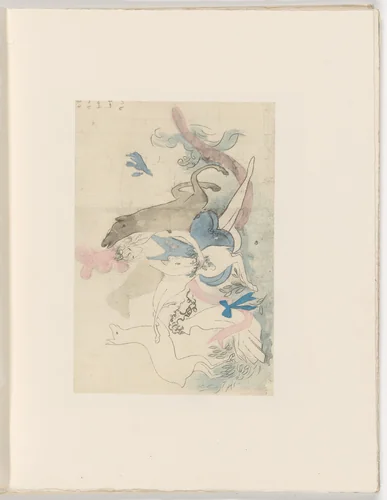
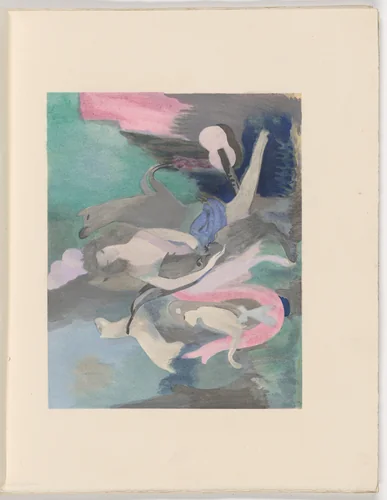
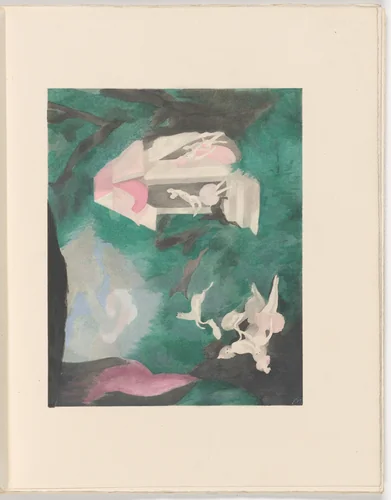
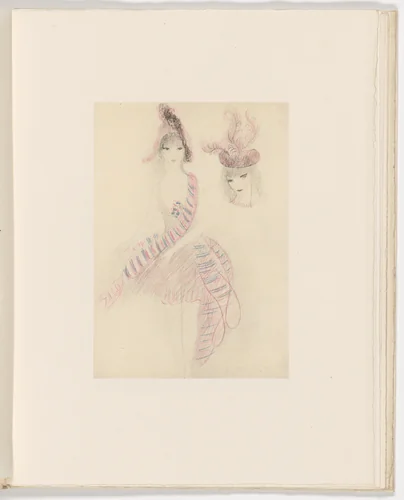
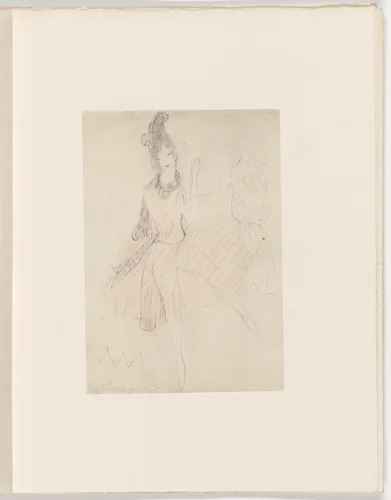
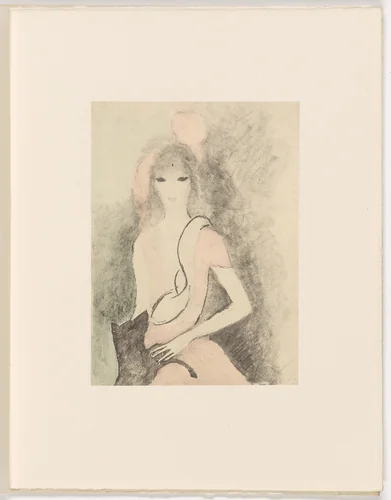
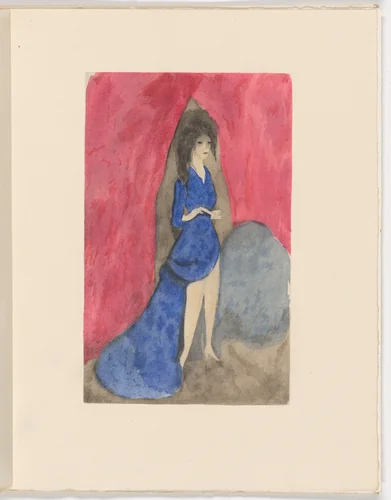
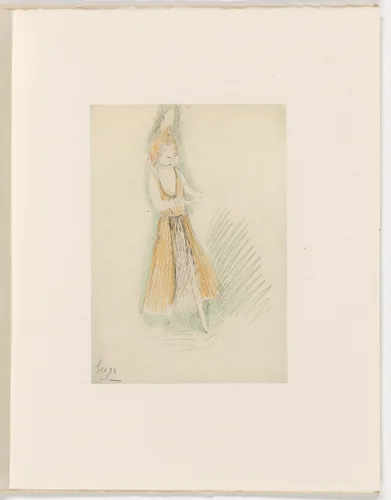
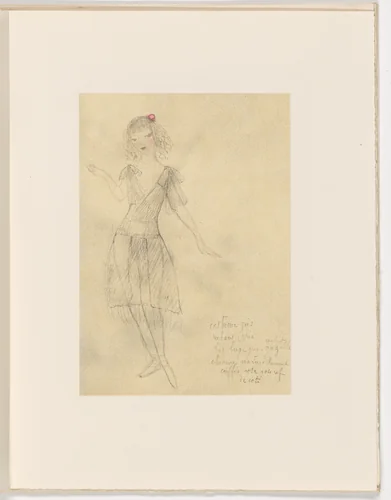
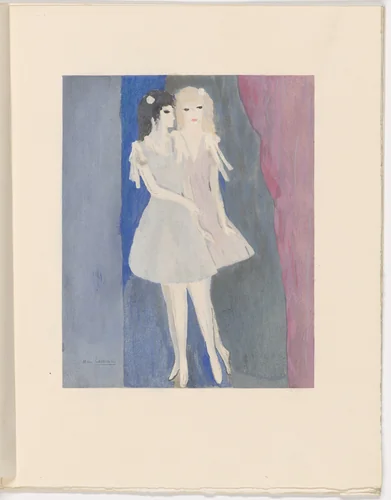
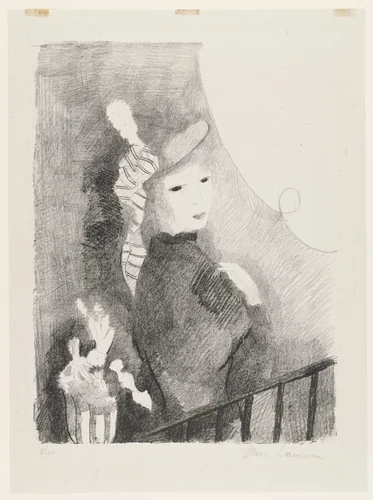
Laurencin’s achievement lies in her transformation of traditionally severe Cubist principles into decorative sophistication. Her favored subjects, typically young women, delicate animals, and intimate self-portraits, are rendered in signature muted palettes of grays, blues, and rose tones, often inhabiting indeterminate, weightless spaces. Works such as Girls, or The Ballet and her various interpretations of Self-Portrait (Autoportrait) demonstrate how she embraced simplified geometric structure without sacrificing the charm of dreamy introspection. Her refined focus on graceful femininity ensured her status as an artist who, though critically engaged with modernism, successfully carved out a uniquely accessible niche.
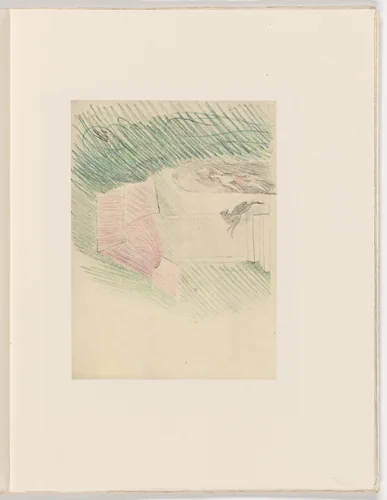
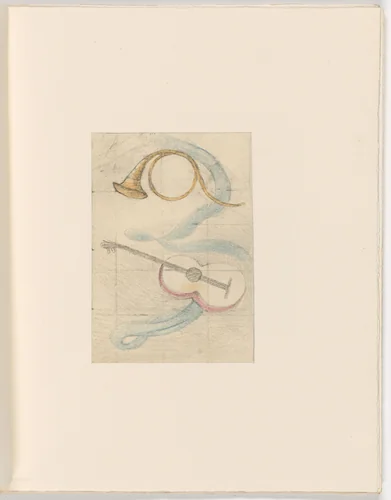
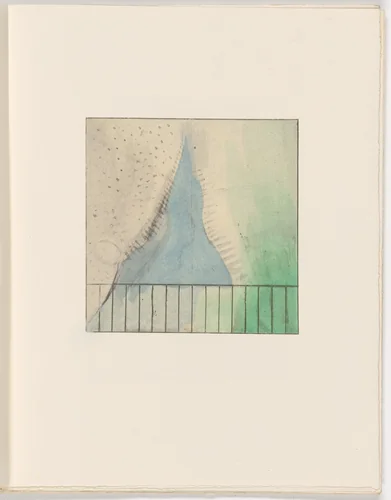
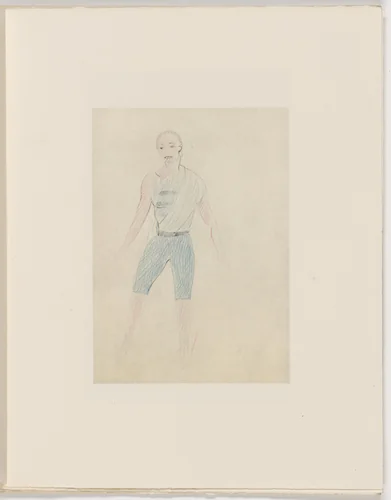
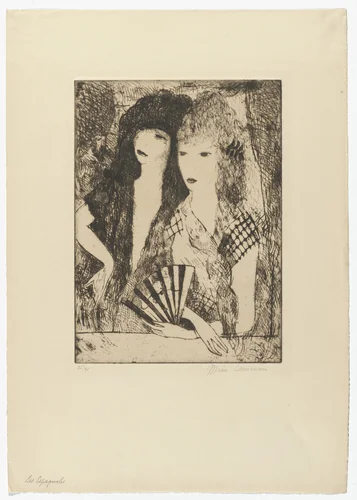
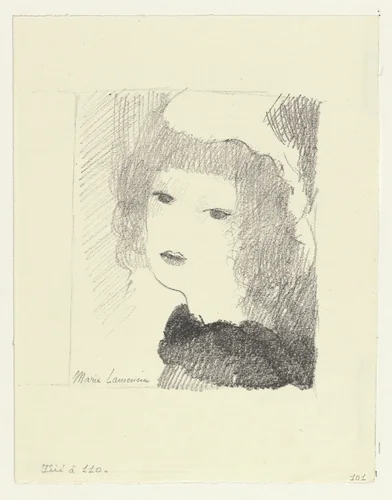
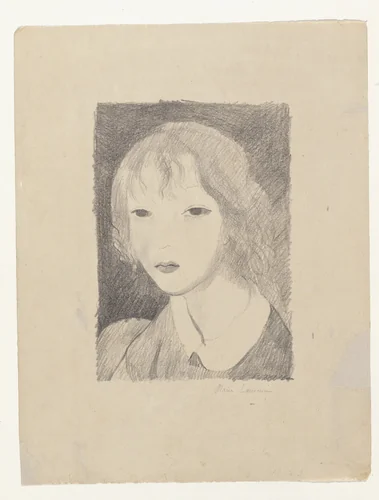
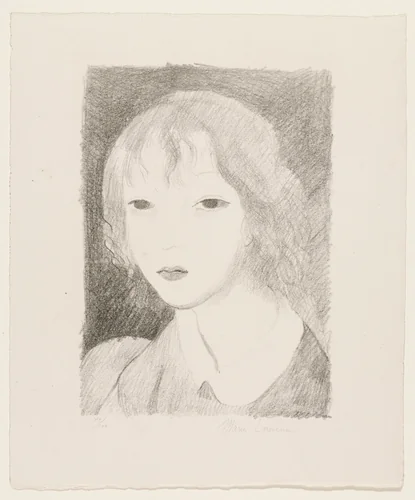
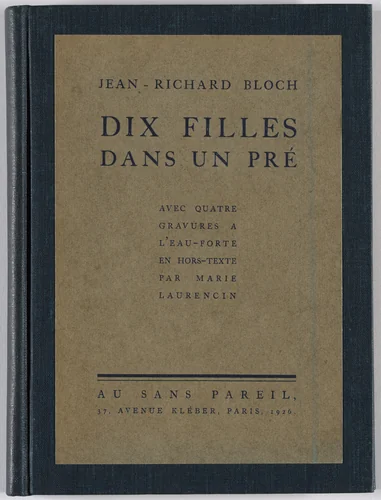
Although she is well-regarded for her Marie Laurencin paintings, her technical mastery extended across various graphic mediums. She was a prolific printmaker, producing sophisticated etchings and lithographs that further developed her signature style. Her graphic works, including dynamic compositions like Diana of the Hunt (Diane à la chasse) and the striking portrait The Beautiful Scottish Girl (La Belle écossaise), demonstrate a refined linearity and sophisticated use of negative space. A subtle observation: Laurencin possessed a remarkable ability to make the challenging work of the avant-garde look effortless, creating an aesthetic of aristocratic grace that proved highly fashionable among interwar society. Her active period between 1906 and 1923 firmly established the foundations of her career, and many of her key works are now available as high-quality prints and downloadable artwork through public domain resources, cementing her legacy in major collections like the Museum of Modern Art.
Source: Wikipedia · CC BY-SA 4.0