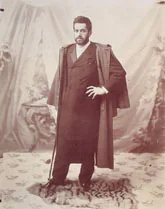
Mariano Fortuny
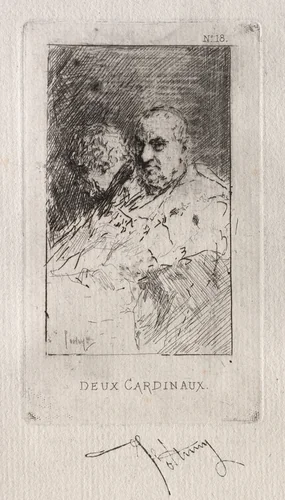
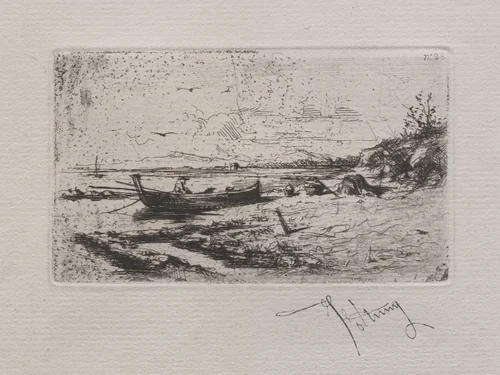
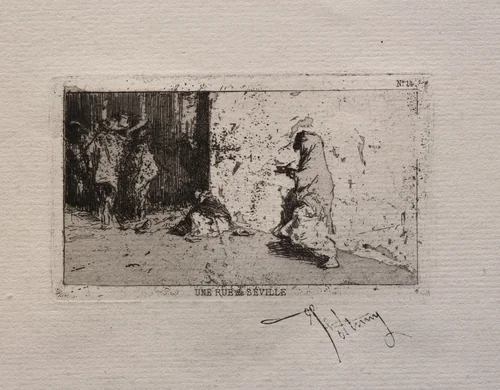
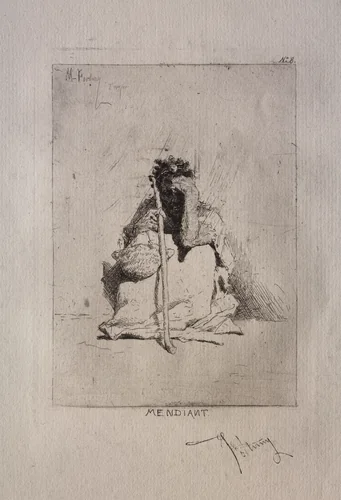
Mariano Fortuny y Marsal (1838–1874) stands as one of the most celebrated and commercially successful Spanish artists of the 19th century. While his fame rests primarily on his dazzling, luminous oil paintings, his career established a significant and often overlooked foundation in graphic arts. Fortuny created an influential corpus of prints, demonstrating an early mastery of technique and line that would later inform his highly detailed canvases.
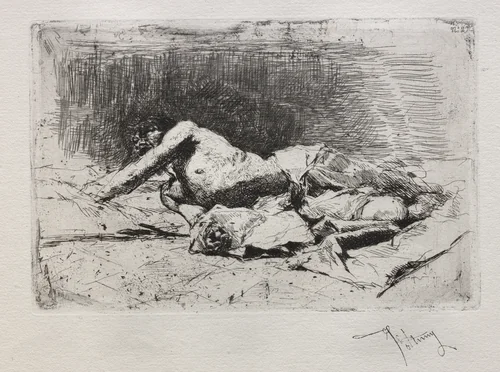
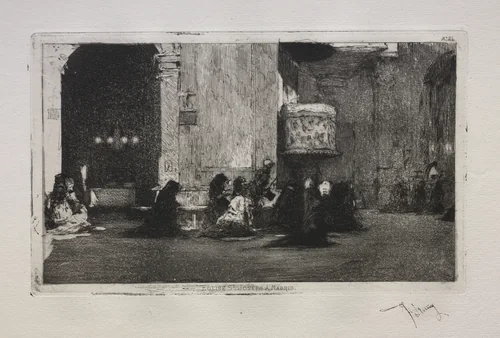
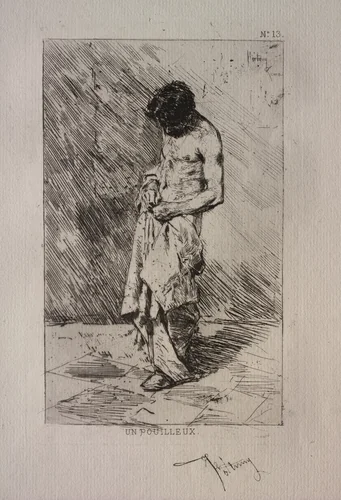
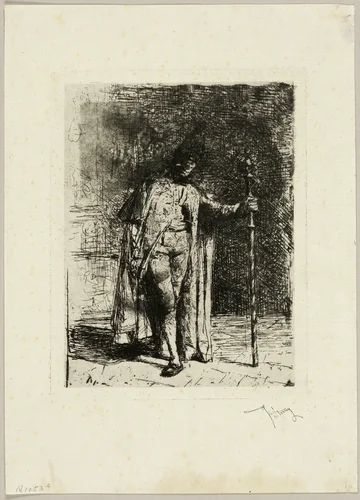
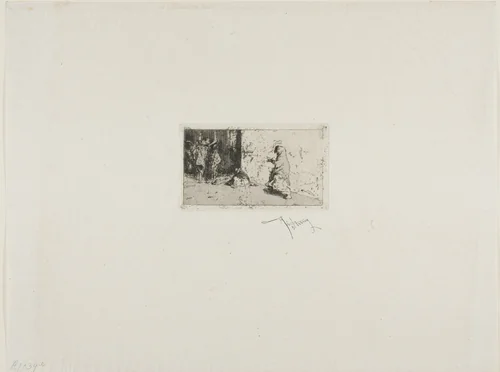
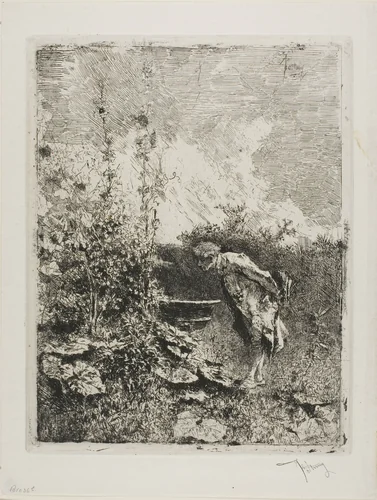
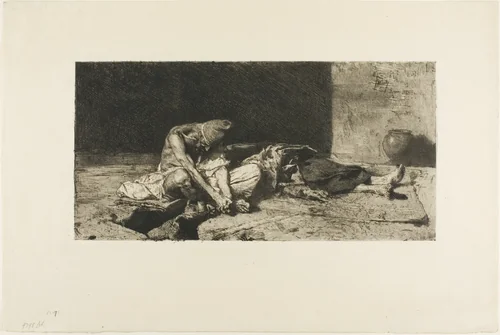
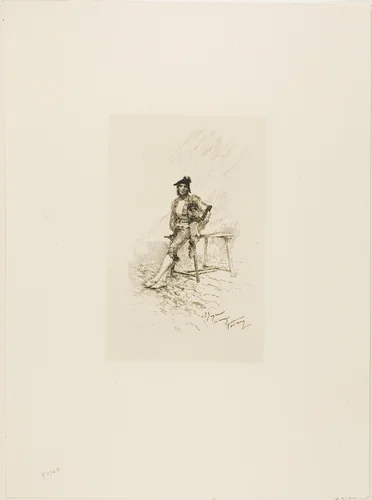
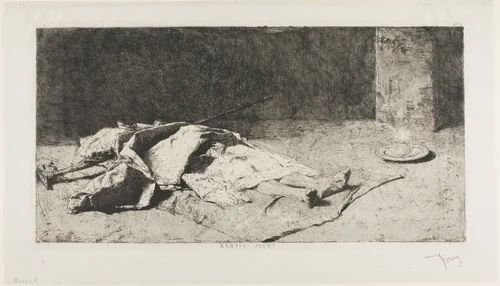
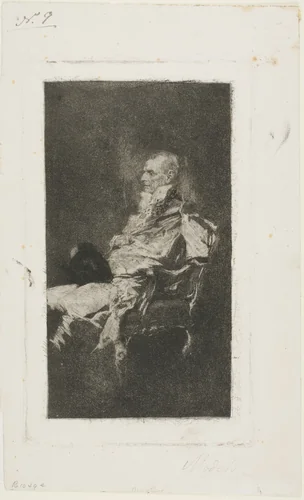
The period documented through his existing database of fifteen known works, spanning approximately 1848 to 1858, captures Fortuny during a decade of intense formal experimentation. His etchings and drypoints reveal an early dedication to meticulous observation, whether studying architecture, as seen in the linear precision of Saint Joseph Church, Madrid, or capturing immediate action in Man Rolling on the Ground. These works are characterized by their dramatic realism and meticulous application of chiaroscuro, techniques he would perfect in his later, more famous works.
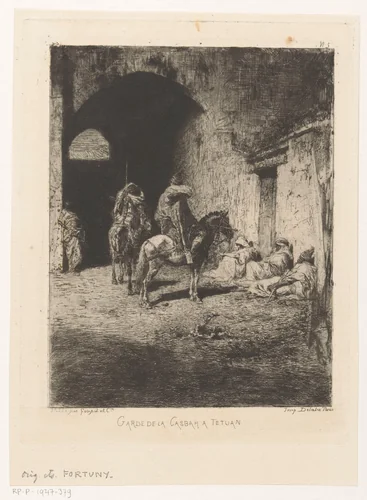
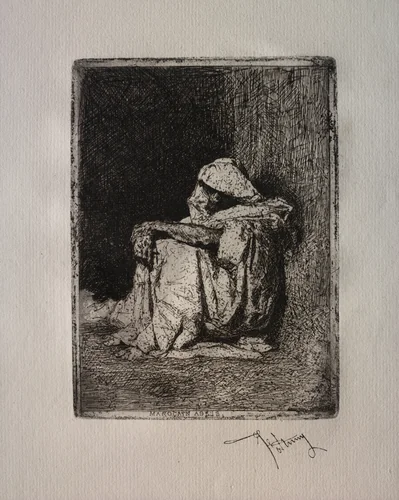
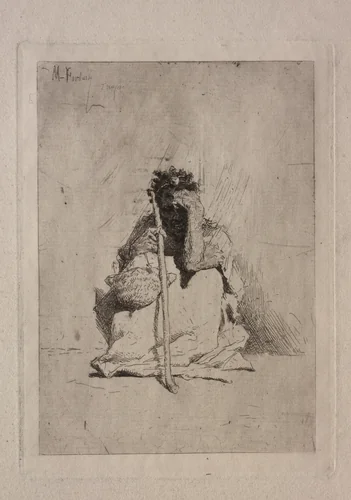
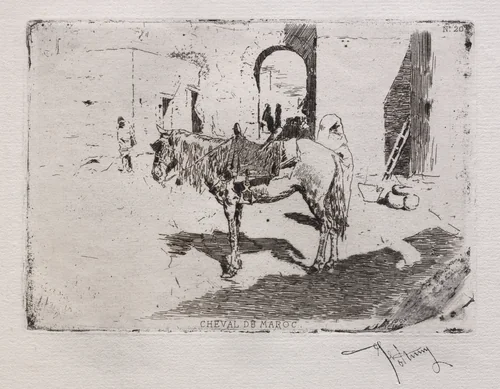
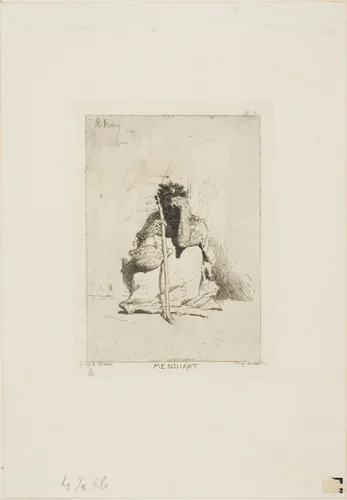
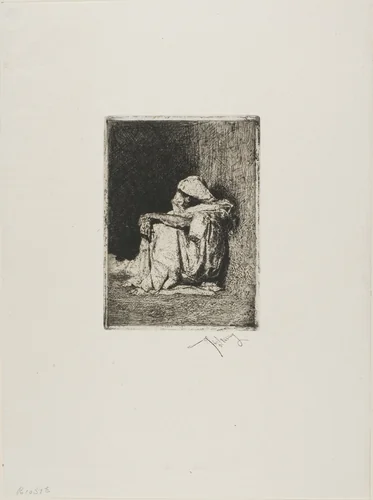
Fortuny’s travels, particularly his experiences in Morocco, profoundly shaped his oeuvre. He became a leading exponent of the Orientalist style, evident in sophisticated compositions like Bewakers van de kasba te Tétouan and the striking character study Seated Arabian. These highly detailed compositions are essential holdings in major international institutions, including the Rijksmuseum, the Cleveland Museum of Art, and the Art Institute of Chicago, testifying to their lasting cultural value as museum-quality examples of 19th-century graphic work.
Fortuny’s technical brilliance lay in his ability to render texture and atmosphere with an almost breathless energy, a style known for its bravura handling. His pursuit of perfection was famously comprehensive; he was so demanding of his own materials that he employed a personal chemist to refine his pigments and varnishes, a dedication that speaks volumes about his relentless pursuit of optical brilliance. Despite his tragically short life, Fortuny left an indelible mark on European genre painting. His work, including these foundational high-quality prints, bridged the gap between Romantic academicism and the nascent trends of modern realism. Today, much of this foundational legacy is accessible, with many of the original plates having entered the public domain, making downloadable artwork available to researchers and enthusiasts worldwide.
Source: Wikipedia · CC BY-SA 4.0