Marguerite Zorach
Marguerite Zorach stands as a critical early exponent of modernism in America. A versatile and prolific artist, her practice spanned painting, textile design, and graphic design, establishing her reputation as a formidable figure in the post-Armory Show era. Her significance rests on her ability to translate the radical color theory and structural innovations of European Fauvism directly into intimate, complex American genre scenes.
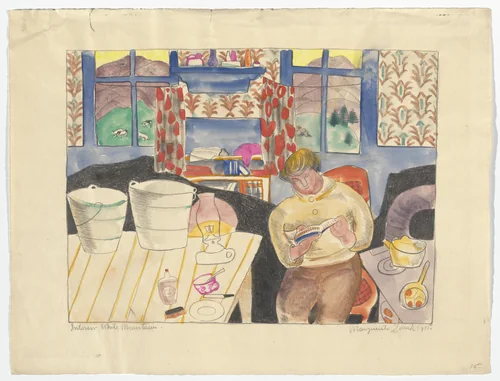
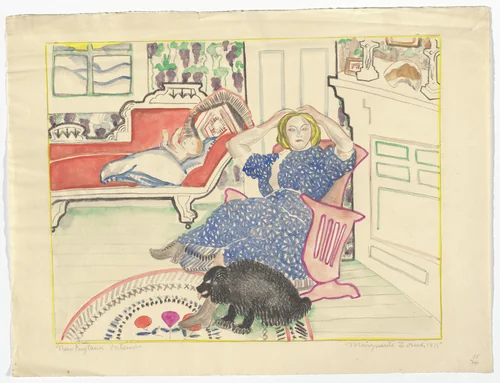
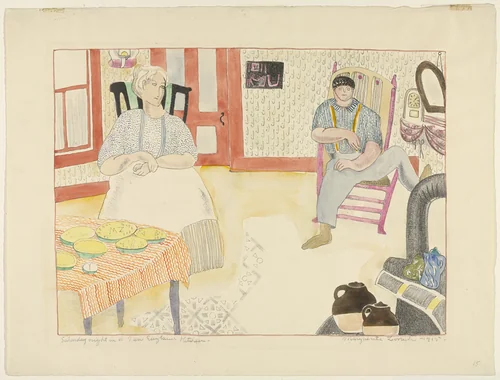
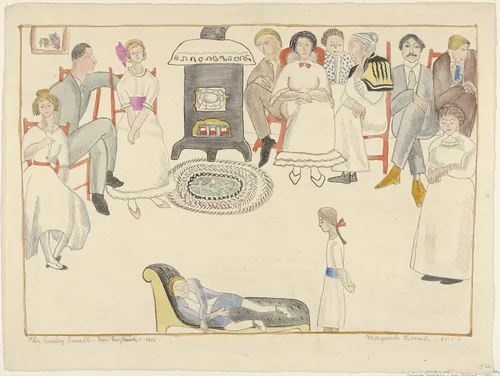
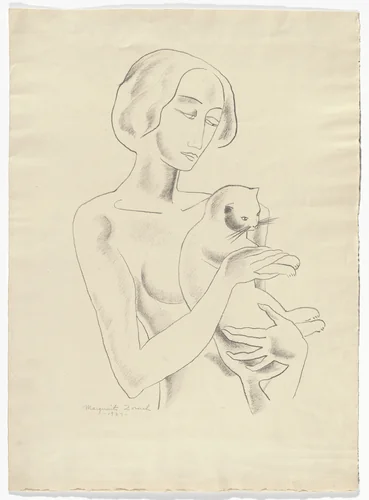
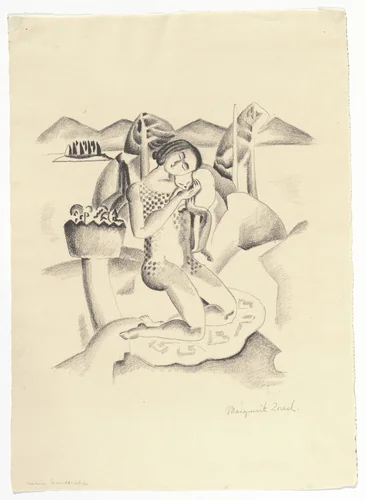
Active primarily between 1915 and 1928, Zorach’s work focuses heavily on domesticity and the American pastoral, particularly the rural settings of New England and the White Mountains. She utilized bold color palettes and strong linearity to lend vitality to seemingly quiet subjects. Her prints and drawings from this period, such as The Country Sociable - New England - 1915 and New England Interior, display a masterful balance between pattern recognition and emotional observation. Through works like The Family (In Memory of a Summer in the White Mountains), Zorach transformed familiar family moments into powerful, compressed compositional studies.
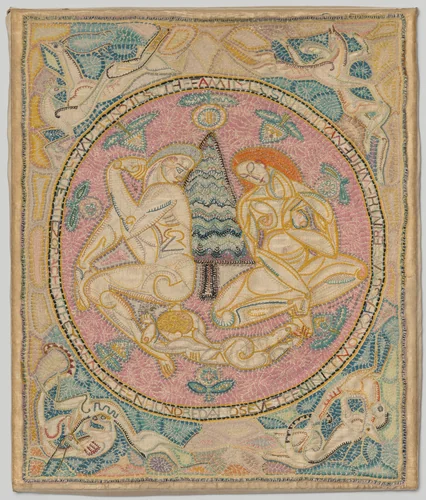
Beyond her widely recognized Marguerite Zorach paintings, she was a pioneering textile artist, viewing the creation of hand-dyed and embroidered fabrics as equally important artistic endeavors. This embrace of the functional arts alongside fine art was characteristic of many early modernists, who actively challenged the strict hierarchies that separated high art from decorative work. Zorach, however, managed to treat the functional arts with such pictorial rigor that her textiles often achieve the graphic dynamism of her most successful compositions. This dedication to innovation across media earned her the prestigious Logan Medal of the Arts in 1920.
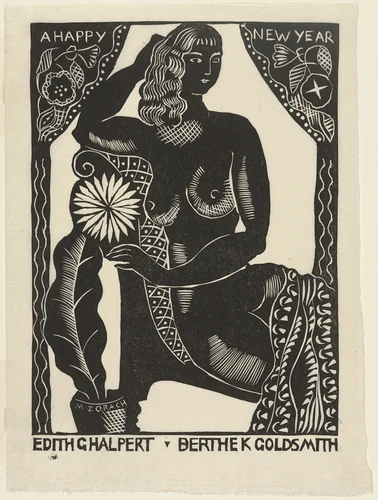
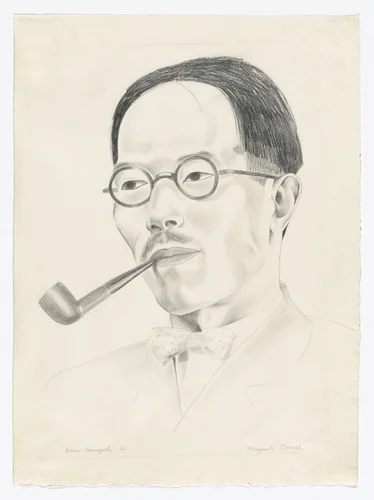
Zorach’s graphic output provides perhaps the clearest access point to her early modernist vision. These works, which often translate her vibrant paintings into structured woodcut or linocut compositions, demonstrate her precise control over form and tone. Many of these important images are now considered public domain, allowing institutions and collectors worldwide to access high-quality prints and drawing reproductions. Zorach’s work is held in the permanent collections of major institutions, including the Museum of Modern Art and the Cleveland Museum of Art, ensuring the legacy of these foundational Marguerite Zorach prints remains secure for future study.
Source: Wikipedia · CC BY-SA 4.0