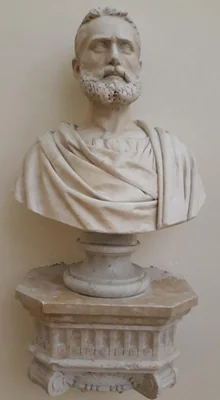
Marcus Pollio Vitruvius
Marcus Pollio Vitruvius, a Roman architect and military engineer active during the 1st century BC, stands as one of the most singular and consequential figures in the history of the built environment. While details regarding the immediate contemporary reception of his magnum opus remain elusive, the survival of his multi-volume work, De architectura, secured his legacy for millennia. This twelve-book treatise is the only comprehensive text on architecture and engineering to endure from antiquity, granting it an unparalleled authority upon its rediscovery and proliferation during the Renaissance.
De architectura provided the first systematic outline of the principles and classical canons that would define Western architecture for centuries. Vitruvius structured his work to cover urban planning, building materials, temple construction, hydraulics, and machinery, moving beyond practical instruction to offer a sophisticated philosophical rationale for design. It is within these pages that the famous Vitruvian Triad was formalized: firmitas (durability), utilitas (utility), and venustas (beauty), criteria that remain central to architectural discourse today.
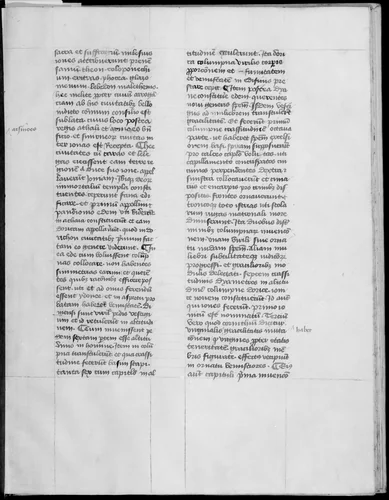
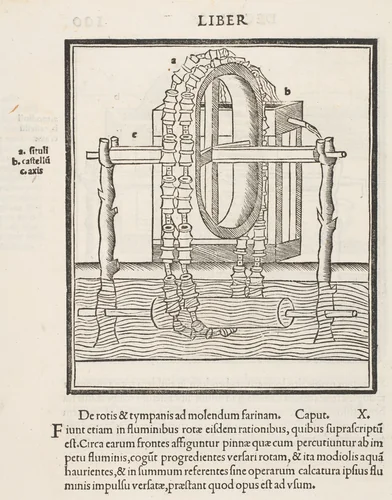
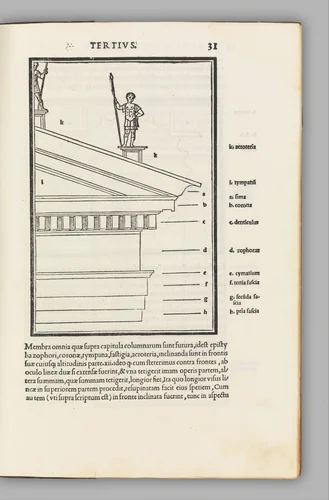
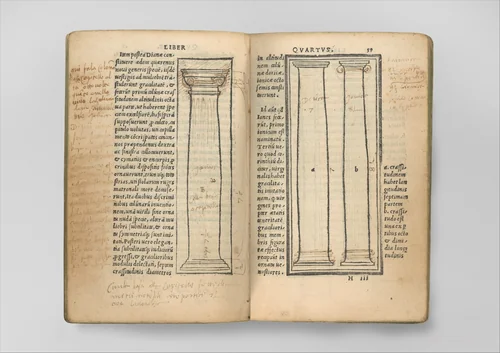
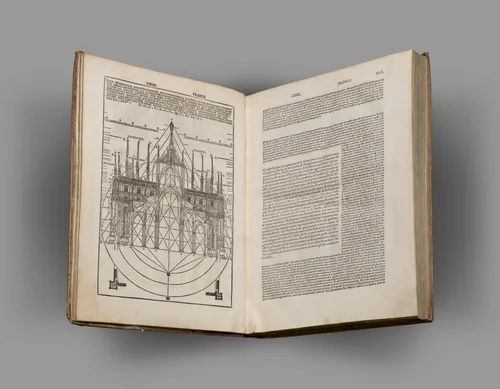
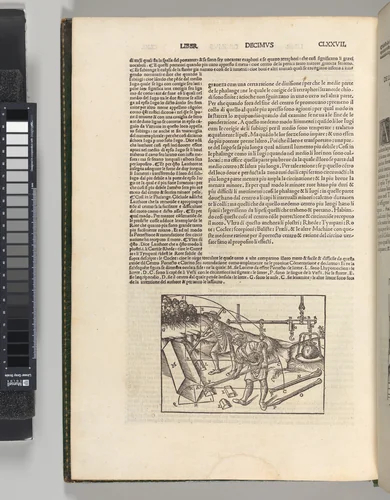
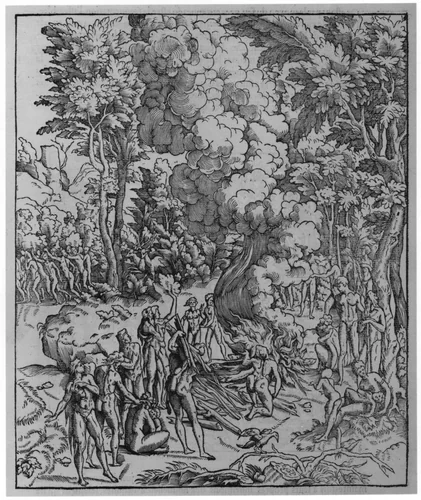
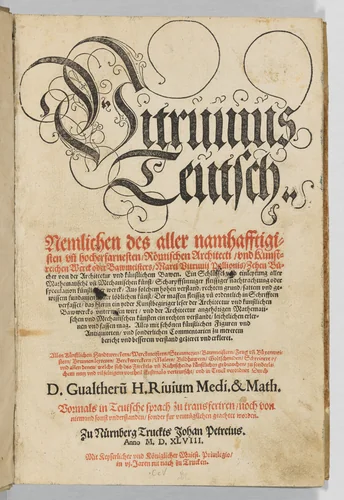
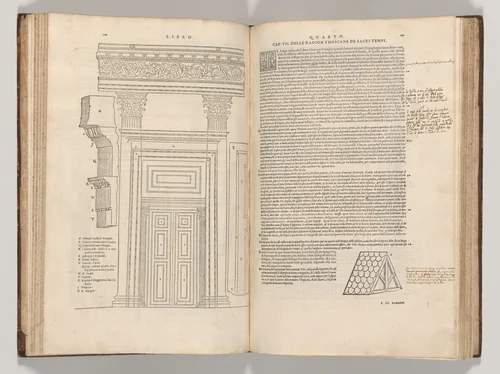
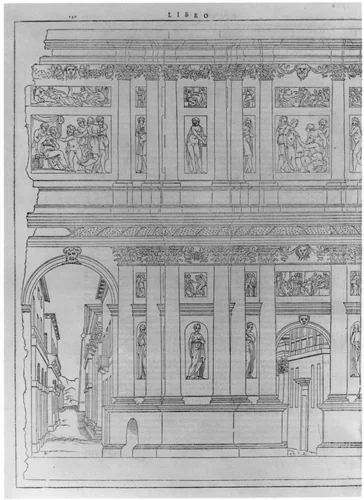
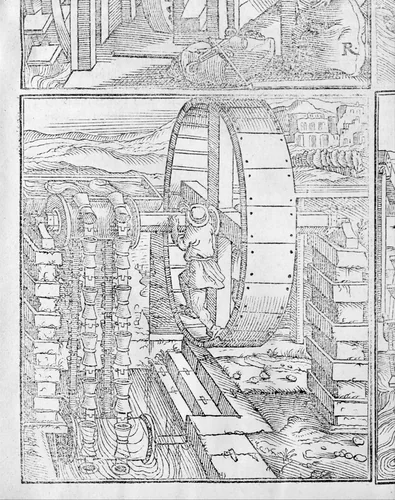
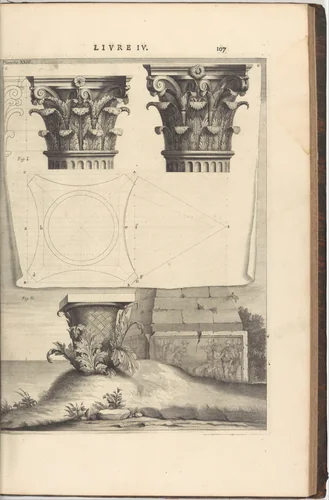
Vitruvius’s true impact was not registered in his own lifetime, but rather 1,500 years later. Since the 15th century, scholars have regarded his text as the definitive foundational source, driving the rigorous study of classical forms by Renaissance masters such as Leonardo da Vinci and Andrea Palladio. The early printed editions, including M. Vitruvius per Iocundum and Di Lucio Vitruvio Pollione De architectura Libri Dece, were often accompanied by intricate illustrations and detailed commentary, reflecting the intense scholarly effort required to fully decode the ancient Latin and apply its principles to modern construction.
It is perhaps one of history’s greatest ironies that the fame of this reserved Roman military man rests entirely on the enthusiastic rediscovery and elaborate illustration of his work by exuberant Renaissance humanists. Regardless of the 1st century BC opinions of his peers, the enduring influence of Vitruvius is undeniable. Today, facsimiles and subsequent analyses derived from his classical principles, known generically as Marcus Pollio Vitruvius prints, continue to inform academic study. These historical illustrations are frequently available through museum-quality collections and digitized in the public domain, affirming the timeless relevance of the foundational text.
Source: Wikipedia · CC BY-SA 4.0