Marcus de Bye
Marcus de Bye, sometimes recorded as de Bie or de Bije, was a Dutch painter and engraver whose brief but influential career spanned the mid-17th century. Active primarily between 1649 and 1657, de Bye secured his position within the landscape of Dutch Golden Age art through a specialized focus on animal portraiture, particularly bovine subjects. His technical skill is evidenced by his inclusion in prestigious institutional holdings today, including the Rijksmuseum in Amsterdam and the Metropolitan Museum of Art in New York.
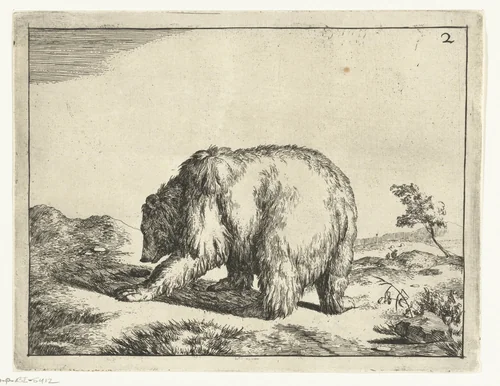
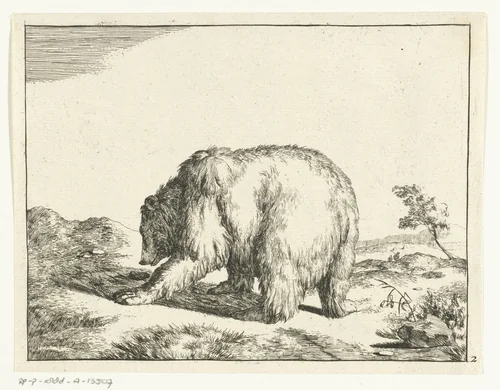
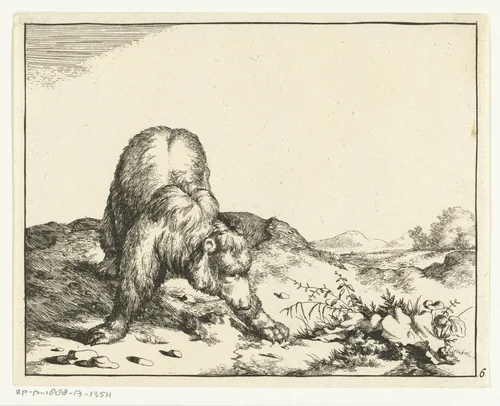
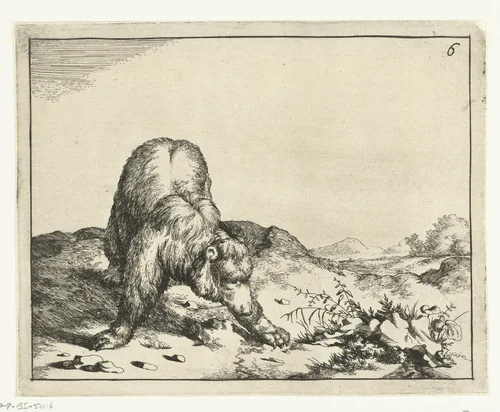
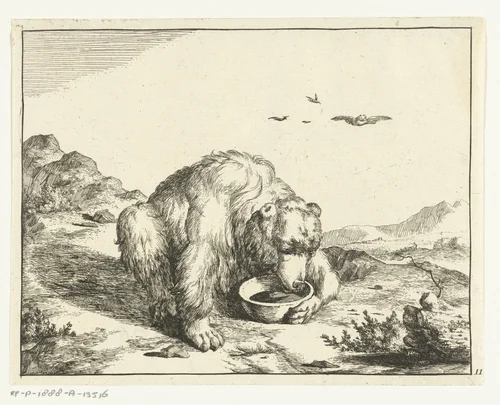
De Bye emerged in an artistic environment deeply dedicated to naturalism, mirroring the scientific interests of the era. His work is inseparable from that of Paulus Potter, the leading master of Dutch animal painting. De Bye often produced etchings "after" Potter, as seen in his renowned work, Cow, after Paulus Potter. This practice highlights de Bye's crucial role not only as an independent creator, but as a skilled translator and disseminator of established artistic innovations. His ability to render the texture of hide and the heft of the animal body on copper plate provided wider access to the detailed naturalism pioneered by his contemporary.
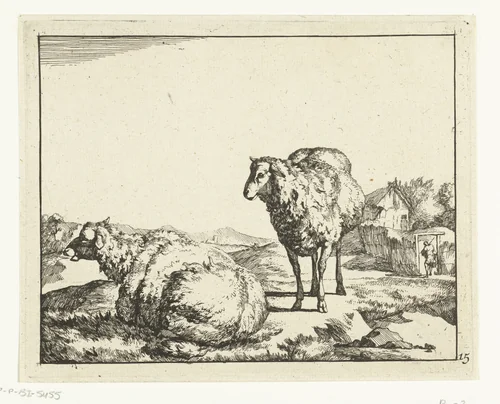
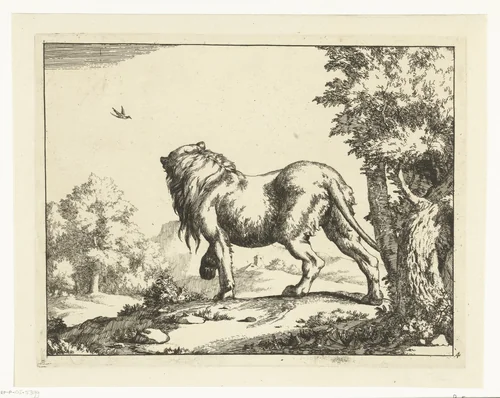
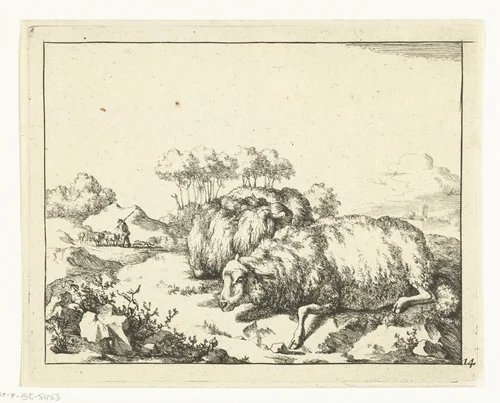
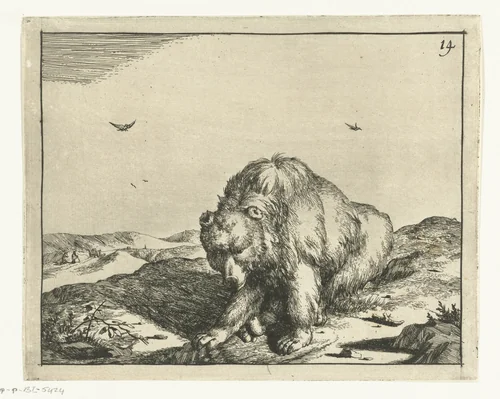
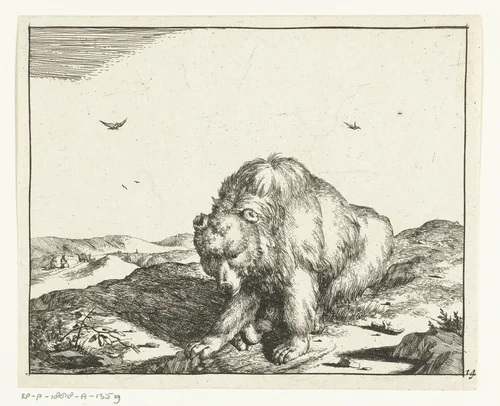
His dedication to the seemingly prosaic subject of cattle elevates the farm animal to a serious artistic subject. Whether depicting the powerful stance of Stier staand bij rots or the intimate pairing of Twee stieren, de koppen bijeen, de Bye displays a consistent mastery of form and composition. Although the exact details of his life remain scarce, the consistent quality of the fifteen known prints suggests a highly focused practice, dedicated almost exclusively to the depiction of ruminants, lending him the subtle distinction of being the era’s most ardent patron of bovine subjects.
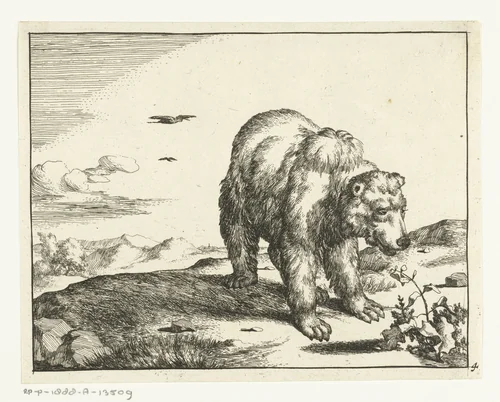
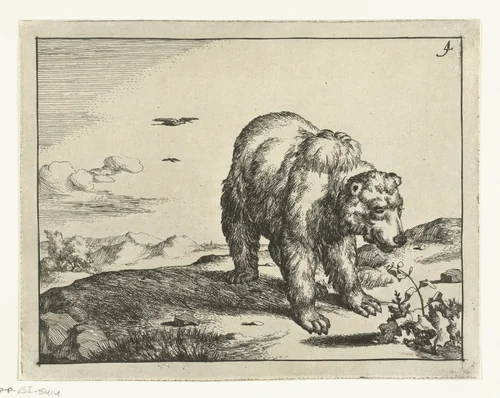
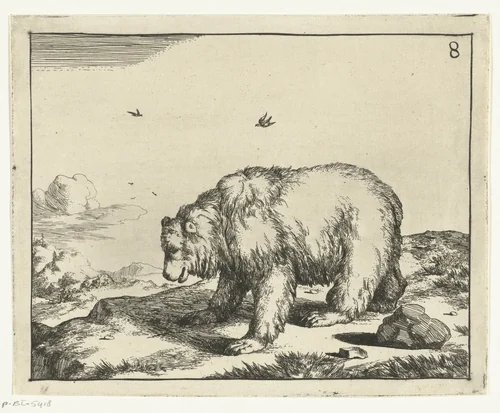
As an engraver, Marcus de Bye produced works intended for circulation, and his high-quality prints ensured his influence extended beyond a small clientele. Today, the enduring interest in Marcus de Bye prints speaks to the foundational quality of his draftsmanship. Many of these historically significant works are now part of the public domain, offering modern viewers access to his meticulously observed artistry through downloadable artwork and specialized museum-quality reproductions.
Source: Wikipedia · CC BY-SA 4.0