Marcel Duchamp
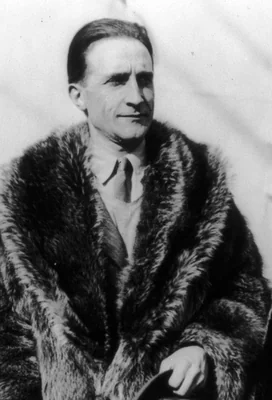
Henri-Robert-Marcel Duchamp (1887-1968) was a foundational figure in 20th-century art, a French American inventor and artist whose conceptual rigor radically altered the trajectory of modern aesthetics. His career is characterized not only by his artistic output but by his strategic withdrawal from traditional mediums, positioning him as a key developer of the avant-garde, particularly in the United States and New York City, where he resided for the last 25 years of his life.
Duchamp’s early practice, spanning roughly 1907 to 1912, consisted of conventional painting and drawing that engaged with post-Impressionist and proto-Cubist styles. Works from this period, such as Portrait of Yvonne Duchamp, Landscape, and Sundays, illustrate a mastery of figurative and environmental representation before his decisive shift towards abstraction. Although these Marcel Duchamp paintings are rarely discussed with the same fervor as his later, more disruptive conceptual works, they provide essential context for understanding the visual language he would later abandon.
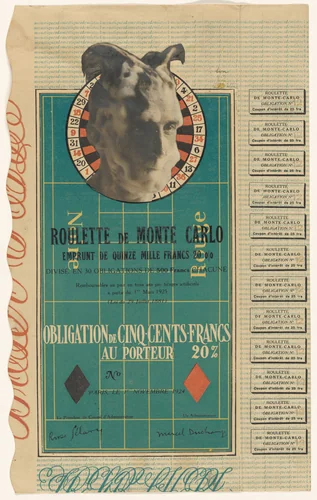
Duchamp became central to the development of the Dada movement, utilizing wit and intellectual strategy to challenge the established standards of beauty and craftsmanship. He was less interested in the visual pleasure of the finished object than in the idea that created it, an approach that directly paved the way for Conceptual art. His most profound innovation was the elevation of the found object—the Readymade—to the status of art, shifting the focus of artistic inquiry from execution to intellectual selection. This methodology fundamentally questioned the role of the viewer and the museum itself, redefining the parameters of what could legitimately be displayed.
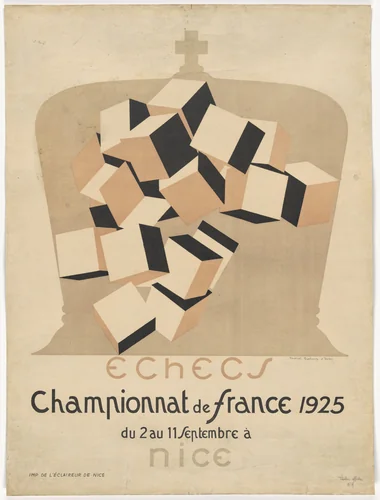
His legacy is built on this conceptual refusal. A lifelong chess player and inventor, Duchamp brought a similar strategic discipline to his art practice, often maintaining silence for years while subtly guiding the international art conversation. Today, while original works reside in major collections like the Museum of Modern Art, his influence extends widely. Many of his significant early drawings and artworks have entered the public domain, allowing institutions and individuals to access high-quality prints that transmit his lasting conceptual challenge across generations.
Source: Wikipedia · CC BY-SA 4.0