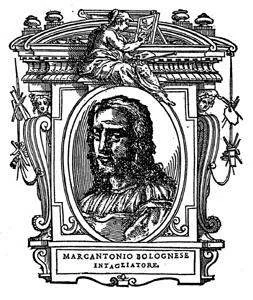
Marcantonio Raimondi
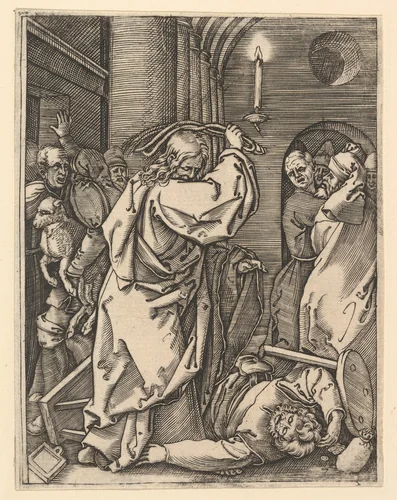
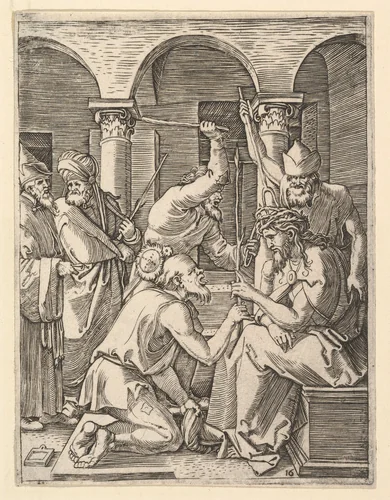
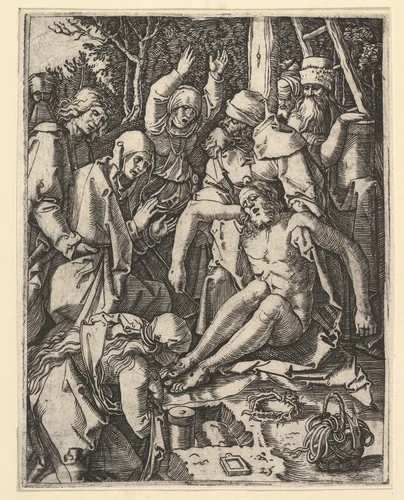
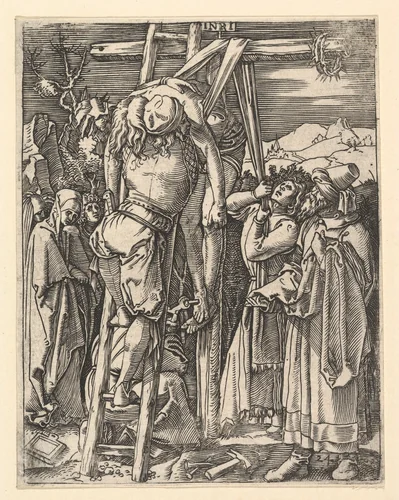
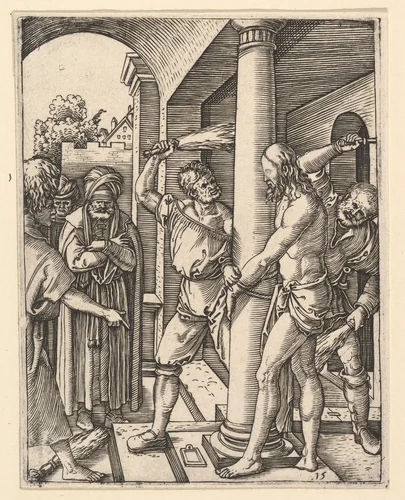
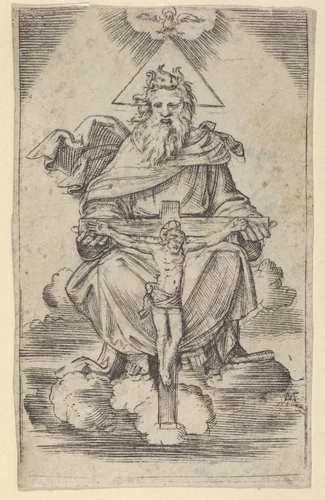
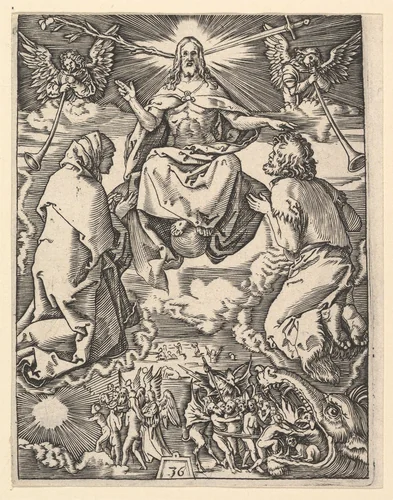
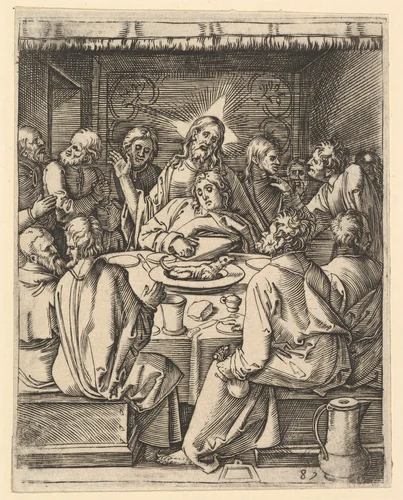
Marcantonio Raimondi (c. 1475–c. 1534) holds a crucial position in the history of printmaking, recognized primarily as the earliest printmaker of consequence whose substantial body of work comprised copies of paintings and designs by others. This focus fundamentally shifted the purpose of the medium, making Raimondi the key historical figure responsible for the rise of the reproductive print. His technical achievement was equally significant: he systematized an approach to engraving distinguished by its precision and complexity, establishing the dominant technical standard for workshops across Italy and beyond for generations.
The apex of Raimondi’s career was defined by his influential collaboration with Raphael. By translating the High Renaissance master’s dynamic compositions, such as The Virgin and the Young Christ and the evocative Vision of St. Helena [Pensive Woman], into engravings, Raimondi facilitated the widespread understanding and appreciation of Raphael’s style. This partnership proved extremely effective; the engraver gained access to the most celebrated artistic intellect of the time, and Raphael secured an unprecedented mechanism for distributing his designs across Europe. Following Raphael’s untimely death in 1520, Raimondi continued to exploit the rich repository of the painter’s drawings, ensuring that the visual language of the High Renaissance permeated the continent.
Raimondi’s prolific output, often rendered with museum-quality detail, included compelling works like Study of an Antique Statue and the genre scene Man and Woman with a Ball. His legacy rests upon his efficiency as a vehicle for artistic communication. Considering his pivotal role in making masterworks portable and globally accessible, Raimondi could perhaps be viewed, retroactively, as the Renaissance's first successful purveyor of downloadable artwork.
Much of the reliable biographical detail surrounding Raimondi derives from his exclusive vita in Giorgio Vasari’s Lives of the Artists, a recognition rare for a printmaker during this period. The enduring significance of these Marcantonio Raimondi prints is evidenced by their inclusion in major institutional collections worldwide, including the Art Institute of Chicago and the Metropolitan Museum of Art. Today, many of these influential designs are available in the public domain, ensuring that this essential figure continues to inform the study of early modern art history.
Source: Wikipedia · CC BY-SA 4.0