Manuel Salvador Carmona
Manuel Salvador Carmona (active 1760-1782) was a pivotal Spanish engraver, designer, and illustrator whose work provided essential visual documentation during the transition from the Rococo to the Neoclassical period in Madrid. Operating during an expansive moment for graphic arts, his career highlights the growing demand for reproducible imagery, particularly sophisticated portraits and genre scenes derived from continental masters.
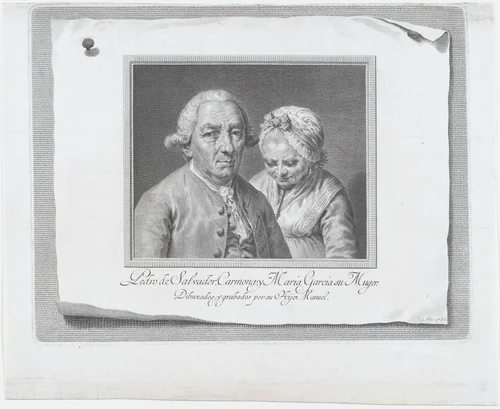
Carmona was firmly situated within an artistic lineage; his family was deeply entrenched in the visual arts. His brother José Salvador Carmona achieved recognition as a sculptor, while another brother, Juan Antonio Salvador Carmona, followed him into the specialized and exacting field of engraving. This familial concentration of artistic talent provides valuable insight into the interconnected workshops that sustained Spain's visual culture in the late 18th century.
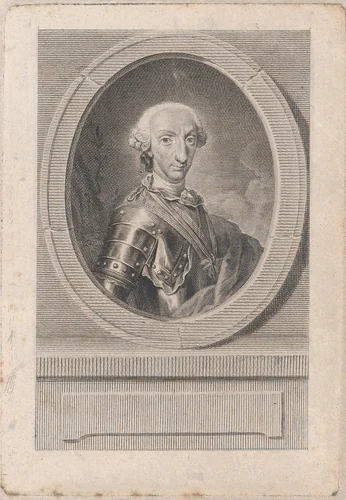
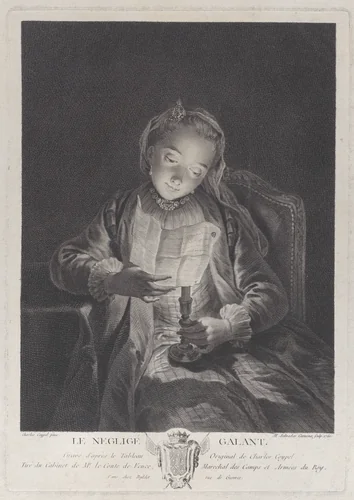
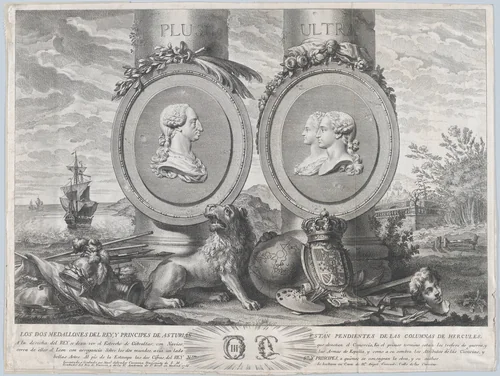
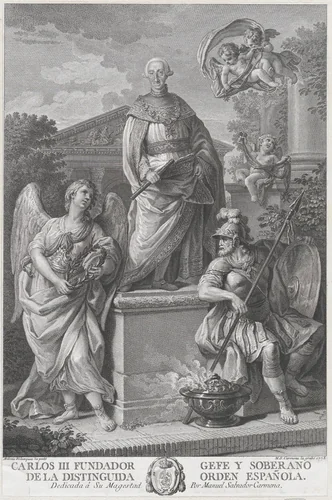
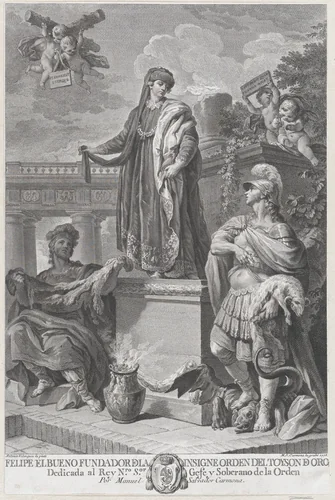
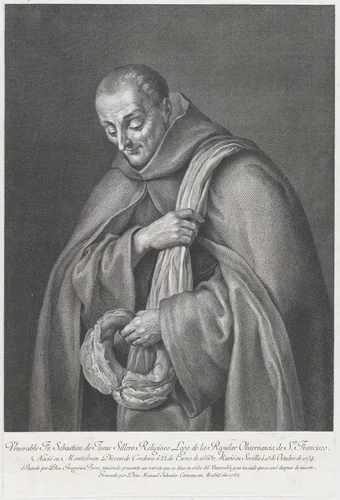
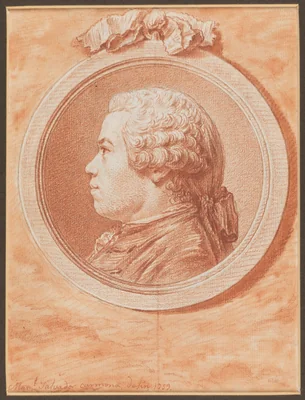
Carmona excelled in translating complex paintings into precise copperplate lines, a necessary skill for disseminating both royal iconography and popular European compositions. Among his most recognizable works are the authorized depictions of the Bourbon monarchy, such as the compelling official portrayal Portrait of Charles III, half length within a roundel. His technical dexterity allowed him to navigate both formal court commissions and more intimate genre subjects, evidenced by pieces like The neglected lover (Le negligé galant).
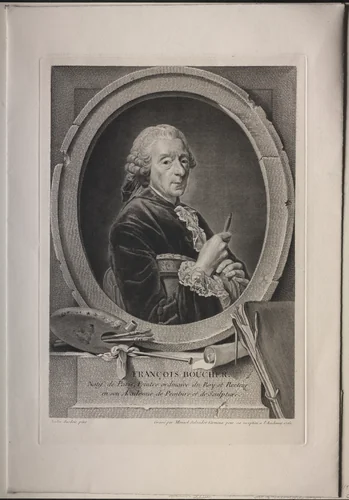
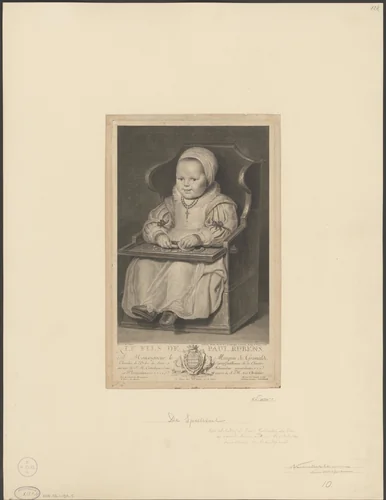
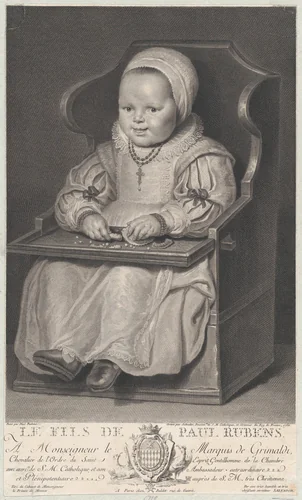
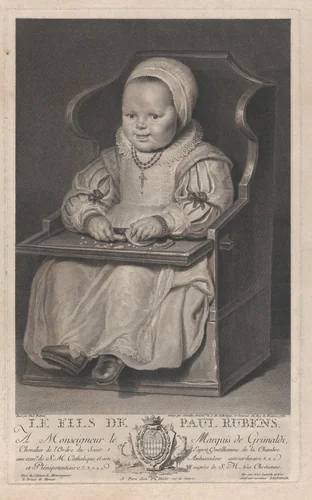
Crucially, Carmona’s practice frequently involved interpreting the styles of other leading artists, creating meticulous records of important continental paintings. His print titled Nicolaas Rubens in de kinderstoel, based on a work by or attributed to Cornelis de Vos, beautifully captures the delicate balance of childhood portraiture, a subject where the line between sweetness and solemnity is often finely trod. He also produced engravings based on works by French masters such as François Boucher, confirming his role in introducing broader European tastes to the Spanish audience.
Though his active career spanned slightly more than two decades, Carmona’s legacy is preserved today through the permanence and stability of his printed output. His works demonstrate a consistently high level of craftsmanship, ensuring their continued relevance for collectors and scholars. Today, examples of these museum-quality prints are held in significant international institutions, including the Rijksmuseum, the Metropolitan Museum of Art, and the Cleveland Museum of Art. Because many of his surviving works fall into the public domain, art enthusiasts can easily access downloadable artwork and high-quality prints, ensuring these essential documents of 18th-century taste remain accessible and widely studied.
Source: Wikipedia · CC BY-SA 4.0