Manuel Alegre
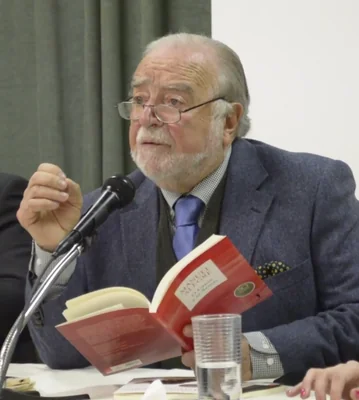
Manuel Alegre de Melo Duarte stands as one of the most significant cultural figures of modern Portugal, a dual eminence achieved through his influential work in both high-level national politics and profound lyrical poetry. This unique contribution to the national discourse was definitively recognized in 2017, when he was awarded the Camões Prize, the highest literary distinction granted within the Portuguese language sphere.
Alegre’s artistic output is characterized by a mastery of form that addresses themes of memory, resistance, and identity with intellectual rigor. His poetic sensibility provided a crucial voice during periods of profound political transition, functioning not merely as creative expression but as a documented history of dissent and intellectual freedom. The recognition inherent in the Camões Prize validates a lifetime dedicated to crafting verse that is simultaneously deeply personal and universally resonant, establishing his collections as central pieces of the nation’s artistic patrimony.
What lends Alegre’s career a distinctive weight is the successful navigation of his dual pursuits. He is perhaps the rare artist whose creative achievements directly informed a substantial political career. While maintaining his reputation as a leading literary voice, he twice mounted serious campaigns for the Presidency of the Portuguese Republic, finishing second in both the 2006 and 2011 elections. This repeated near-accession to the highest office adds a fascinating, almost quixotic footnote to his record, underscoring the powerful connection between culture and democratic ambition in his home country.
Though Alegre is primarily known for his written works rather than traditional visual media like Manuel Alegre paintings, his stature ensures the long-term preservation and study of his oeuvre. The continuing demand for high-quality prints of his published collections and essays demonstrates his enduring cultural relevance. His work secures his legacy not merely as a chronicler, but as an active participant in shaping the contours of contemporary Portuguese identity, making him a subject worthy of sustained museum-quality academic consideration.
Source: Wikipedia · CC BY-SA 4.0