Manaku
Manaku of Guler (active circa 1715-1770) is recognized as a foundational figure in the Pahari school of painting, originating from the Guler State in what is now Himachal Pradesh. His work established crucial stylistic precedents for the 18th-century court painters, blending classical Indian miniature traditions with a dynamic narrative sensibility. Though his career coincided with the rise of great painting workshops in the region, Manaku’s output is distinguished by its ambitious scale and emotional acuity, particularly in his handling of religious epics.
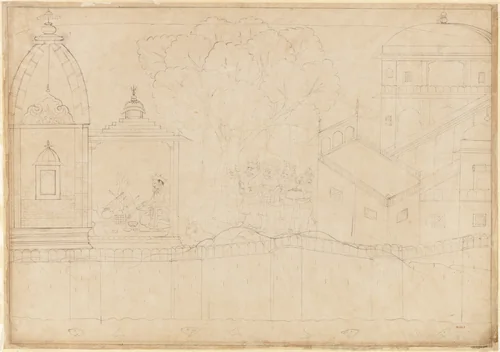
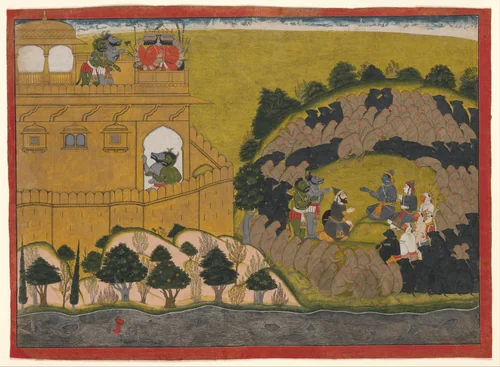
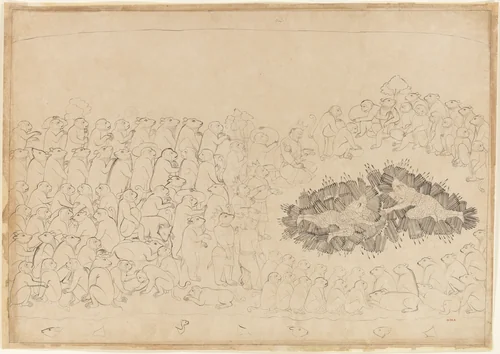
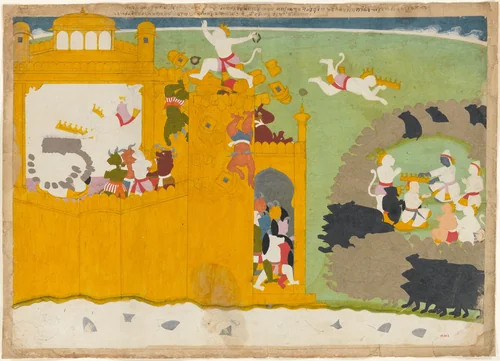
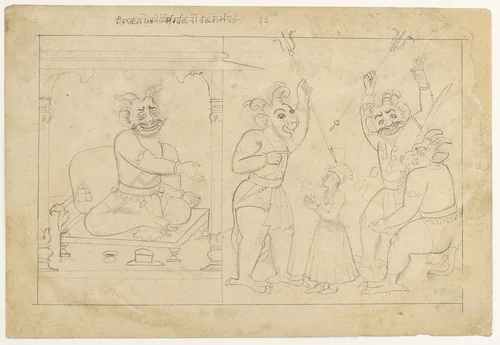
His most celebrated achievements are the monumental narrative cycles he executed. Key among these are folios illustrating the Ramayana, often known collectively as the Siege of Lanka series. Works such as Indrajit Makes Offerings and Rama Releases the Demon Spies Shuka and Sarana demonstrate an advanced compositional maturity, managing crowded battle scenes while maintaining clarity and focus on the central psychological drama. Equally compelling, his preparatory drawing depicting Hiranyakashipu commands his demon warriors to threaten and injure Prahlada shows his dedication to complex textual illumination derived from the ‘Small Bhagavata Purana’ Series.
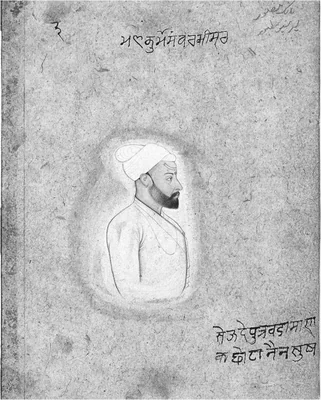
For generations following his death, Manaku’s pivotal contribution was largely obscured. He faced the common fate of artists in royal workshops; he rarely signed his output, resulting in only four extant works carrying a definitive signature. Compounding this challenge, his younger brother, the highly publicized Nainsukh, garnered immense fame, temporarily relegating Manaku to a secondary position in art historical records.
The formal rediscovery of Manaku’s significance is a result of dedicated modern research, particularly the efforts of scholars like B. N. Goswamy, who restored him to his rightful status as a principal exponent of the Pahari style. Today, examples of these seminal Manaku paintings reside in major collections, including the Metropolitan Museum of Art. These museum-quality works are central to understanding the evolution of North Indian miniature painting, and their compositions are frequently accessed as high-quality prints for scholarly and public appreciation worldwide.
Source: Wikipedia · CC BY-SA 4.0