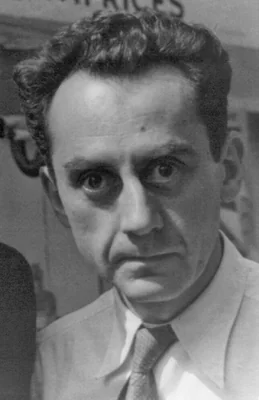
Man Ray
Man Ray was a central, though famously unattached, figure in the transatlantic development of modernism. An American artist who conducted the majority of his career in Paris, he remains one of the few figures whose influence is equally significant across multiple disciplines. Though his ties were always informal, Man Ray was a profound and vital contributor to both the Dada movement, which thrived on conceptual disruption, and the dreamlike explorations of Surrealism.
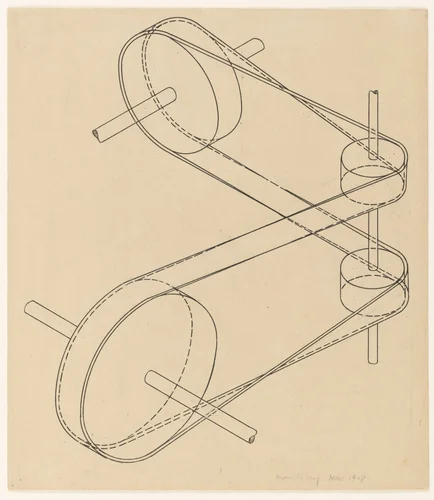
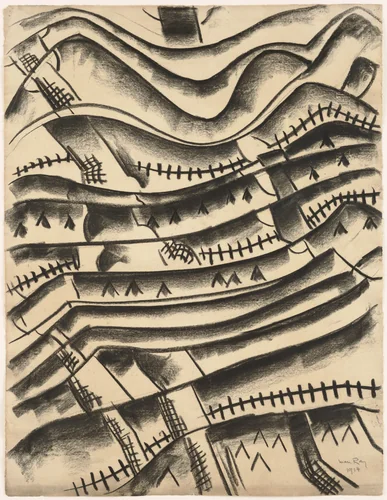
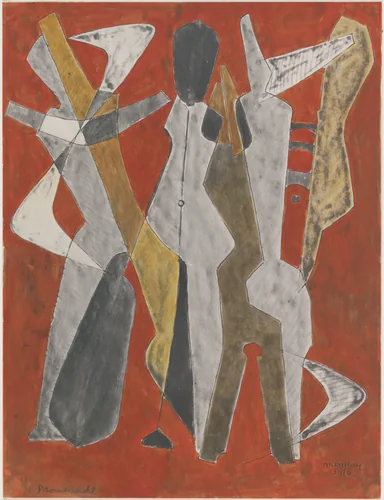
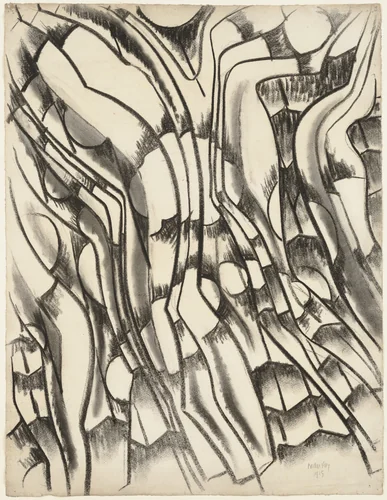
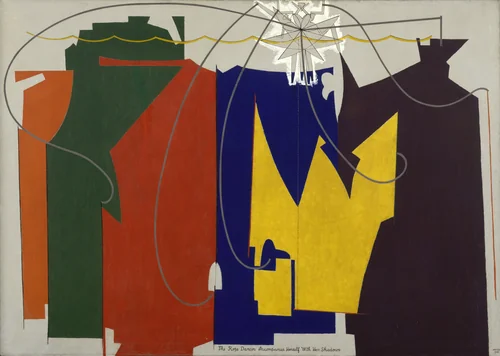
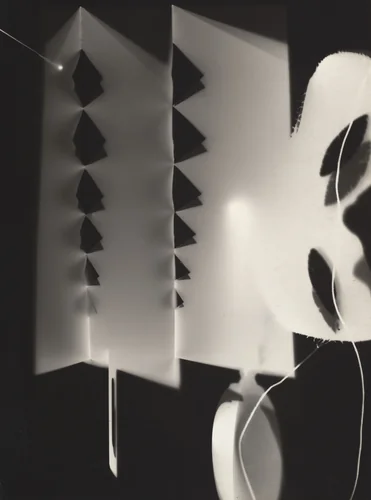
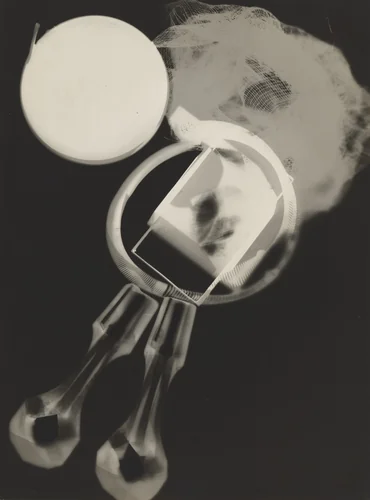
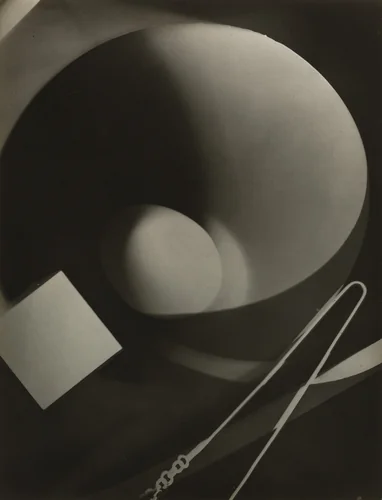
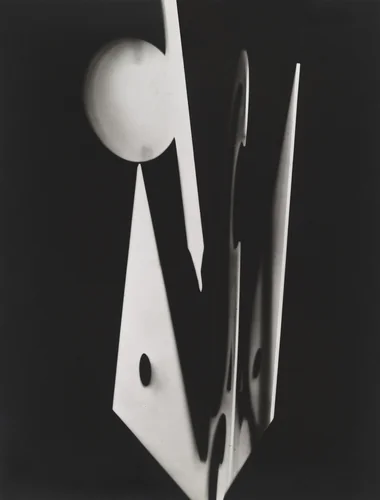
His active period spanning 1908 to 1922 demonstrates this inherent restlessness across media. While his catalog from this era includes five robust abstract drawings and early Man Ray paintings—a discipline he never fully abandoned—his practice quickly moved toward incorporating photographic and kinetic experimentation. Early two-dimensional works, such as the 1918 drawing The Rope Dancer Accompanies Herself with Her Shadows, display an interest in motion and geometric abstraction years before his later, better-known photographic innovations, which cemented his popular reputation. Other key early pieces, including the graphic Ridgefield Landscape and Promenade, indicate his sharp transition into visual modernism.
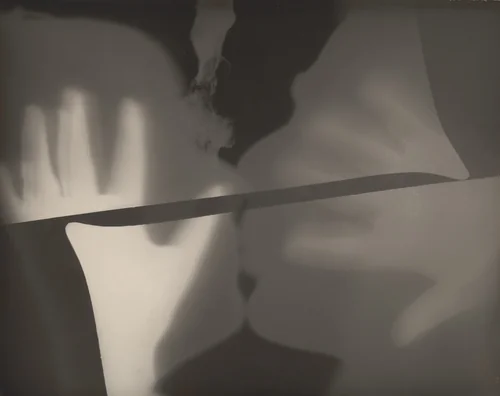
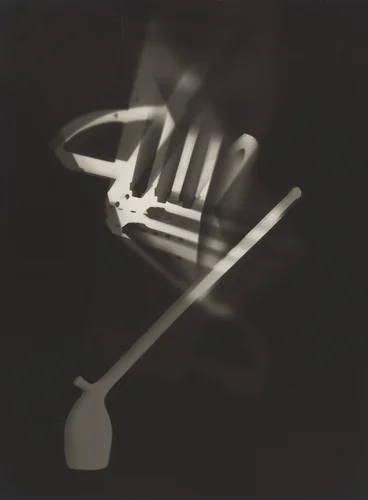
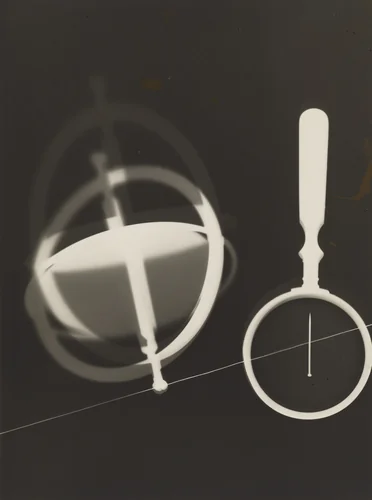
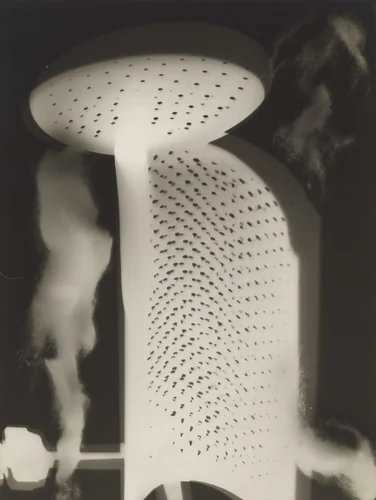
He was instrumental in translating European avant-garde principles for American audiences and vice versa, often operating with a wry independence that suited the radical environments of New York and Paris. Despite producing some of the 20th century’s most iconic photographs and experimental film, Man Ray considered himself, above all, a painter. This subtle, self-imposed identity paradox lends a unique perspective to his vast output, forcing viewers to consider his radical manipulations of light and composition not merely as technological feats, but as extensions of painterly concerns regarding surface and form.
Man Ray’s works, defined by their wit and technical precision, are held in major institutional collections, including the Museum of Modern Art. His commitment to expanding the definition of art made him a touchstone for succeeding generations. Today, many of his striking images and designs are recognized globally, and certain selections from his pioneering output are now entering the public domain, allowing institutions and enthusiasts access to high-quality prints and downloadable artwork that showcases his profound impact on the visual arts.
Source: Wikipedia · CC BY-SA 4.0