Malta
Malta, an island nation positioned at a crucial nexus in the central Mediterranean Sea, served as a potent cultural conduit between Southern Europe and North Africa. Situated just 80 kilometers south of Italy and 284 kilometers east of Tunisia, this geographic location critically shaped the aesthetic traditions and specialized artistic output of the region during the nineteenth century. The period between 1850 and 1875 marks a focused era of textile production, characterized by exceptional precision in needlework and the incorporation of blended stylistic influences.
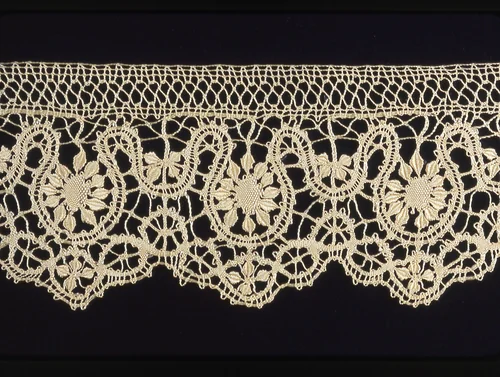
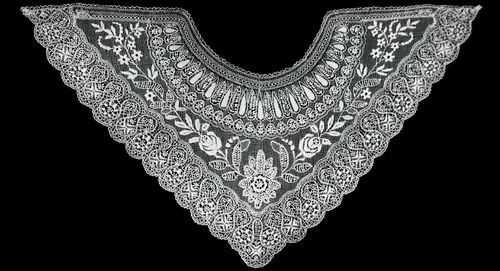
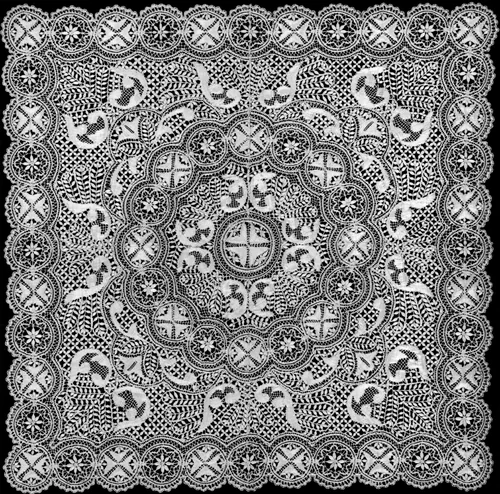
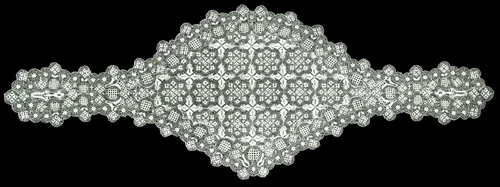
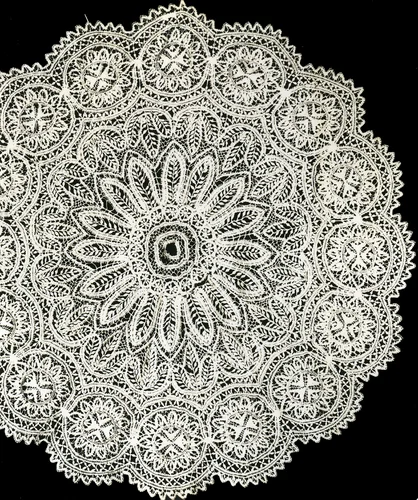
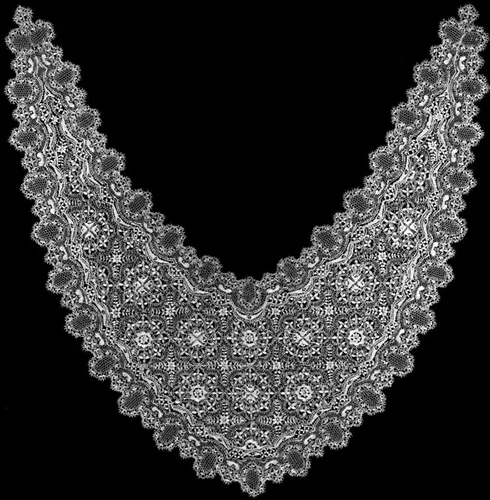
The surviving known production is highly specialized, consisting of a small but significant body of six high-quality textiles. These works demonstrate an advanced technical proficiency, confirming their status as museum-quality examples of island craftsmanship. Documented objects include the formal Shawl, the highly intricate Cape Collar, and specialized functional items such as the domestic Cover and the delicate Parasol Cover. The presence of this complete range of high-fashion and household articles speaks to the island’s role in meeting the demands of high Victorian textile artistry. The concentration of these items in major institutions, notably the Art Institute of Chicago, underscores their lasting art historical value.
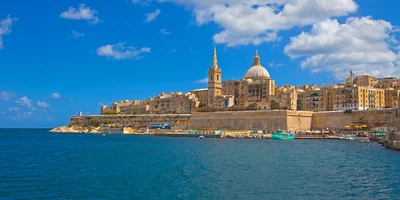
The cultural backdrop of the period reflected the nation’s dual linguistic heritage, with both Maltese and English serving as official languages. This blend of traditions informed the decorative motifs and technical approaches utilized in the textiles. The capital, Valletta, the smallest capital city in the European Union by area and population, maintained a surprisingly robust export market for such luxurious objects. This small but influential hub successfully navigated complex international trade dynamics. While these unique archival pieces are rarely available as free art prints, documentation of the originals is often used to produce high-quality prints for research purposes. Scholars interested in late nineteenth-century Mediterranean craft often study these essential Malta prints to understand the fusion of regional and imperial aesthetics.
Source: Wikipedia · CC BY-SA 4.0