Mahavihara Master
The artist known as the Mahavihara Master was an influential, though anonymous, illuminator active around the year 1100. The designation of "Master" and the implied association with a Mahavihara monastic center relate to the highly developed style of the surviving works, which originate from the rich tradition of Indian or Himalayan Buddhist manuscript painting.
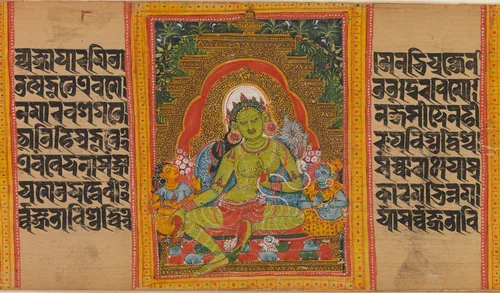
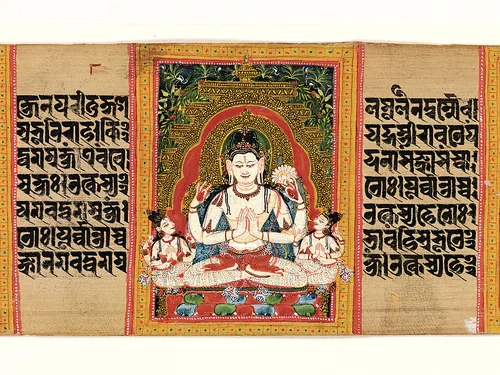
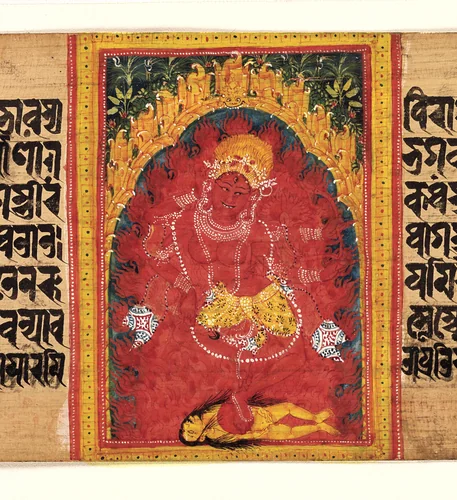
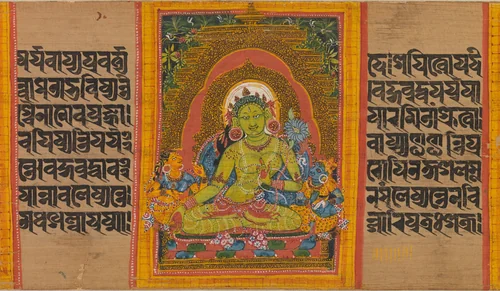
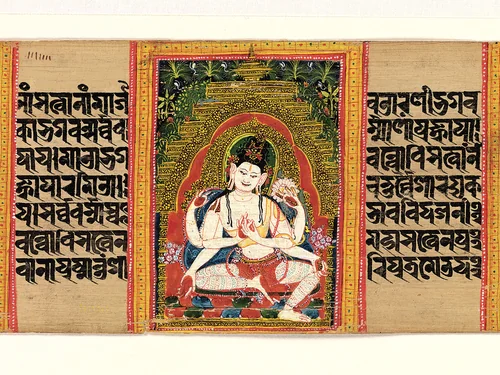
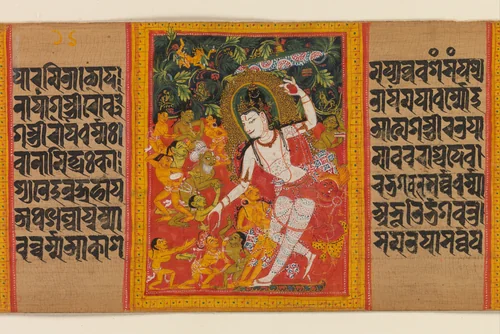
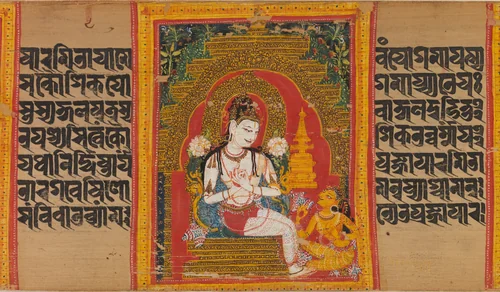
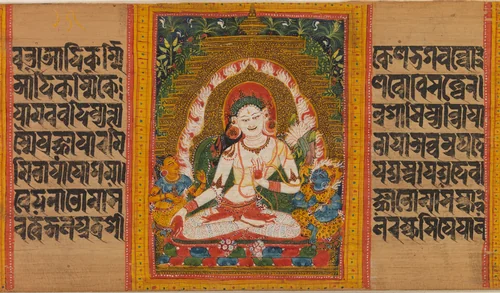
The Mahavihara Master specialized in sacred iconography, producing exquisite painted folios intended to illustrate the revered Ashtasahasrika Prajnaparamita (Perfection of Wisdom) texts. A consistent style and thematic focus are evident across the surviving pieces. Twelve paintings attributed to this Master are represented in museum collections, confirming the influence and technical skill of the workshop.
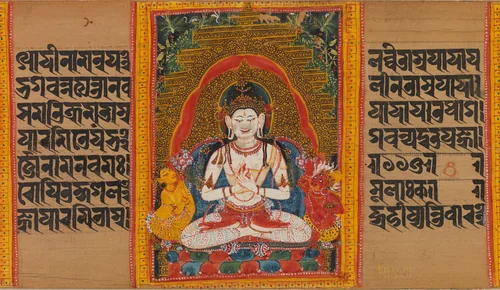
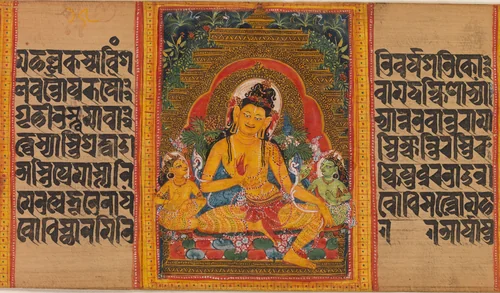
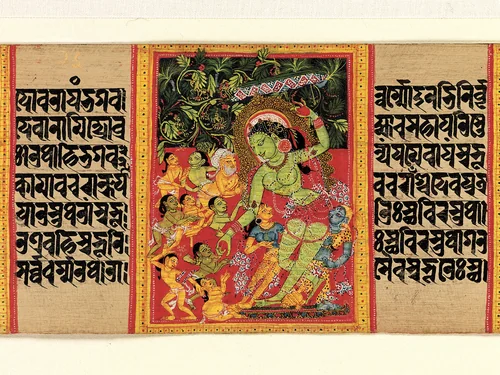
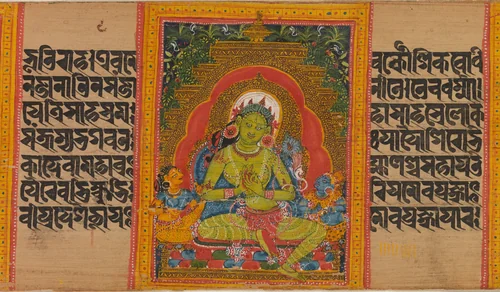
Key examples of the Master's output include multiple depictions of the future Buddha, such as Bodhisattva Maitreya, Folio from a dispersed Ashtasahasrika Prajnaparamita Manuscript, and several scenes featuring the compassionate female deity, including Green Tara Dispensing Boons to Ecstatic Devotees.
These rare Mahavihara Master paintings are primarily held within the permanent collection of the Metropolitan Museum of Art. Due to their age and historical importance, these works often serve as a basis for high-quality prints and downloadable artwork, offering broad access to this significant period of manuscript illumination.