Magdalena van de Passe
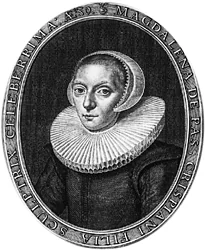
Magdalena van de Passe (1600-1638) was a crucial figure in the highly influential Van de Passe family workshop, a dynasty of engravers originally from Cologne who established a formidable presence in the Northern Netherlands during the Dutch Golden Age. She mastered the demanding medium of line engraving, contributing works that showcase both technical precision and a sophisticated handling of subject matter. Although her documented output is remarkably concise, comprising around seven known Magdalena van de Passe prints executed during her peak activity between 1617 and 1620, their consistent, museum-quality execution secured her standing among her celebrated male relatives.
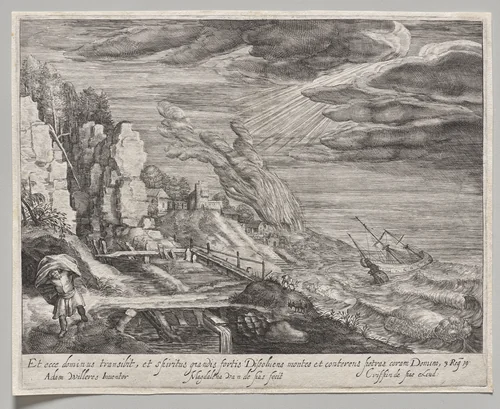
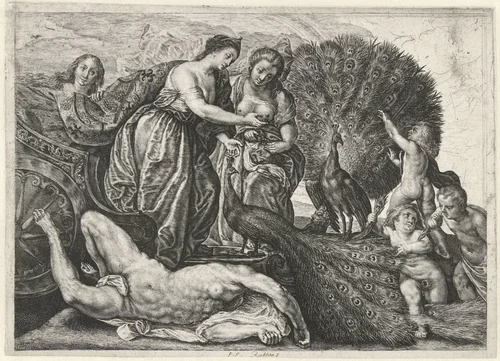
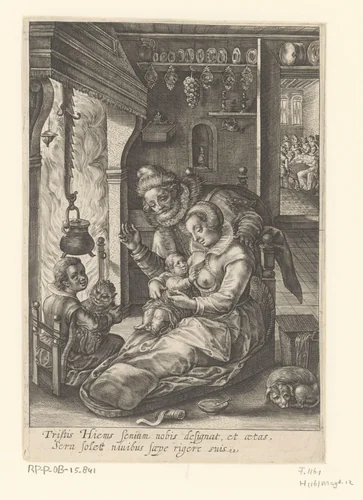
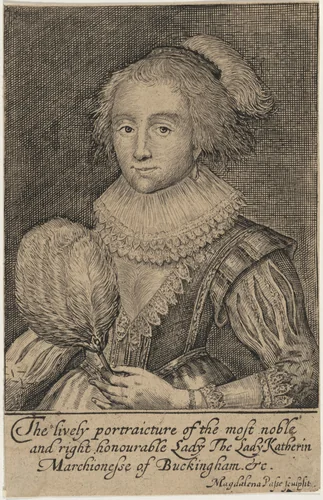
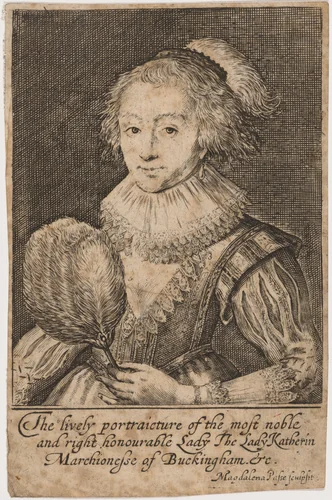
Van de Passe specialized in two distinct genres: detailed portraiture and atmospheric landscapes. Her commissions included the rendering of prominent figures, evidenced by her striking engravings of Catherine Manners, Duchess of Buckingham. She also excelled in allegorical and narrative scenes. Examples like the elaborate Juno Decorating her Peacocks with the Eyes of Argus and the evocative seasonal study, Winter, demonstrate a facility for translating complex compositions into the two-dimensional format of the print. Her subject matter often included unusual elements of observational realism, such as the compelling and visceral detail found in A Beach with Fishermen Cutting Up a Whale and the Prophet Elijah.
Van de Passe’s influence extended beyond the execution of her own plates. Historically, she holds a unique position as one of the earliest documented female artists providing formal instruction to another woman. She trained the renowned polymath and intellectual Anna Maria van Schurman in the techniques of engraving, a rare instance of artistic mentorship that underlines Van de Passe’s recognized status as a master capable of passing on specialized skills.
Her brief but vital career created enduring images that are today preserved in major institutions globally, including the Rijksmuseum, the National Gallery of Art, and the Cleveland Museum of Art. These high-quality prints remain essential documents of early seventeenth-century Dutch visual culture, many now available in the public domain, ensuring continued accessibility for scholars and enthusiasts alike.
Source: Wikipedia · CC BY-SA 4.0
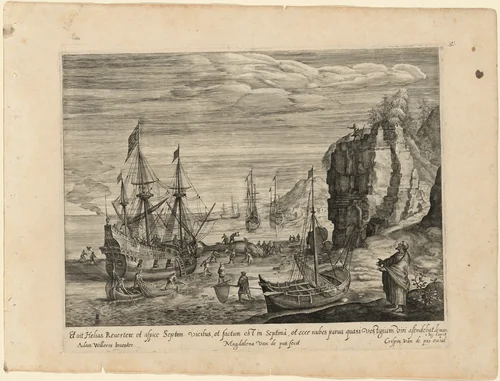
![Seashore with HIgh Seas, a Ship, and the Prophet Elijah [God Helping the Israelites Fight the Moabites] by Magdalena van de Passe, print, 1620-1630](https://img.artbee.org/7ec25720-11a8-4e22-b900-a6ec9f709812/small.webp)