Maerten van Heemskerck
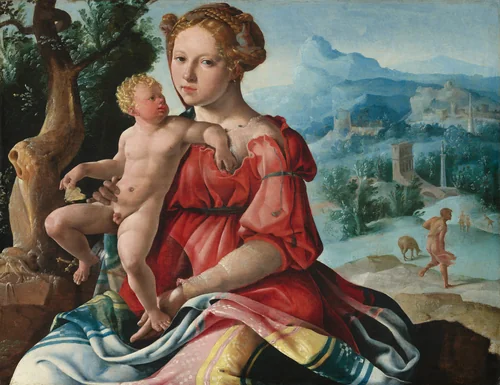
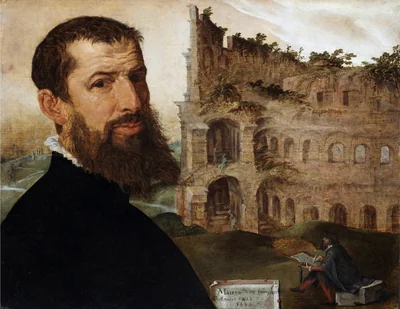
Maerten van Heemskerck (c. 1498-1574) stands as a seminal figure in Northern Renaissance painting, crucial for transmitting the monumental aesthetic ideals of High Renaissance Italy back to his native Haarlem. Born Marten Jacobsz Heemskerk van Veen, he spent the bulk of his productive years in the Netherlands following intensive training under Jan van Scorel. Scorel’s studio was known for its progressive, Italian-inflected mannerism, a style Heemskerck embraced thoroughly and expanded upon. This commitment to classical form culminated in a pivotal sojourn to Italy, lasting from approximately 1532 to 1536. During this period, he meticulously studied ancient sculpture and the monumental frescoes of Rome, observations that fundamentally shaped the rest of his career, lending his religious compositions, such as Simeon the Patriarch and The Rest on the Flight into Egypt, a robust, muscular classicism rarely seen in the Netherlands prior to his return.
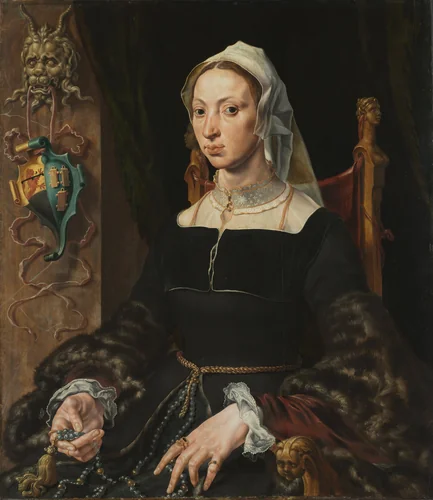
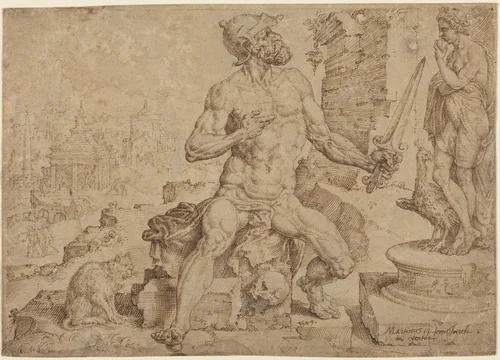
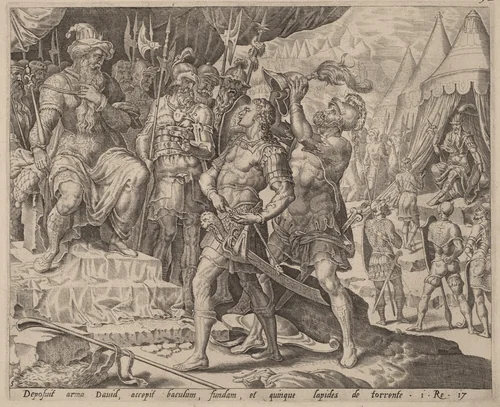
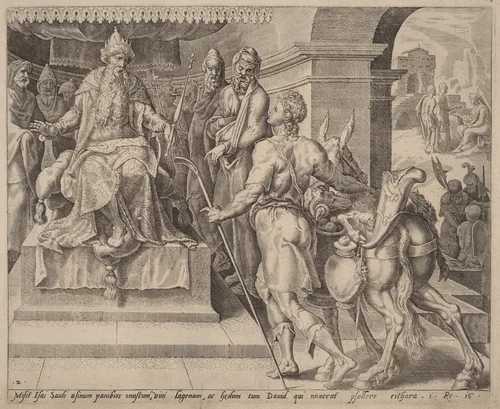
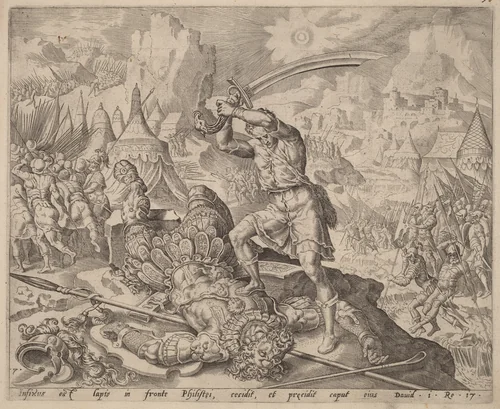
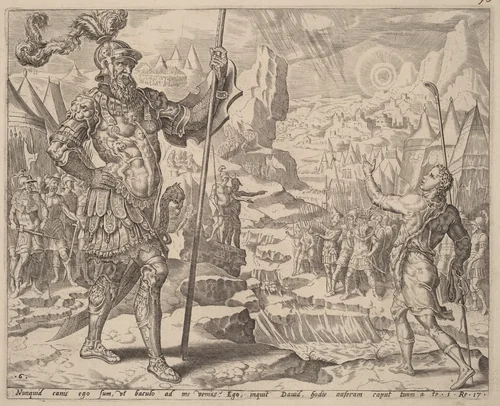
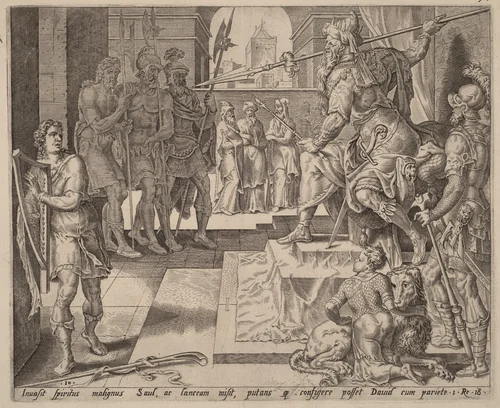
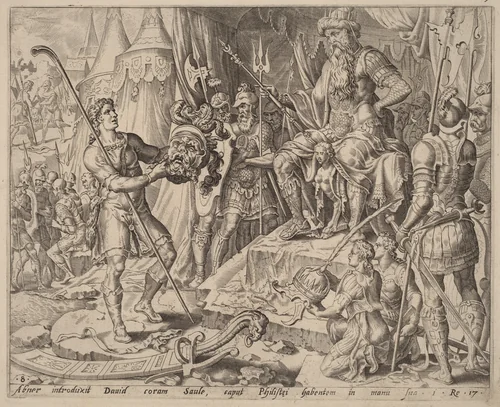
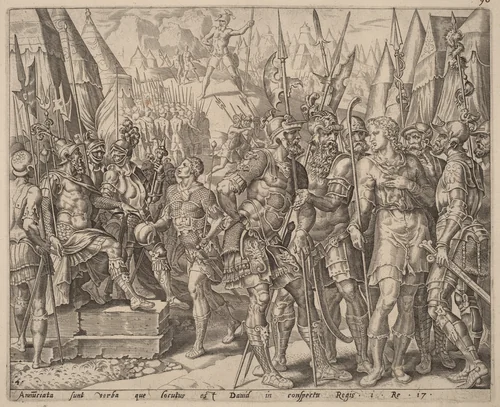
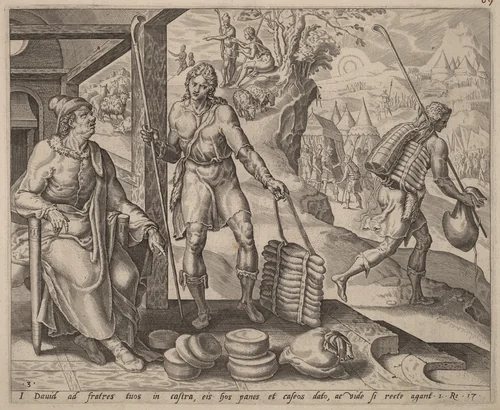
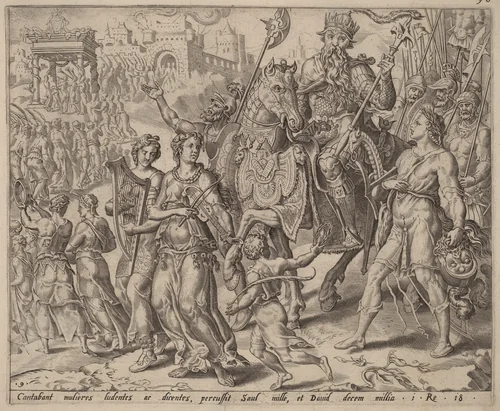
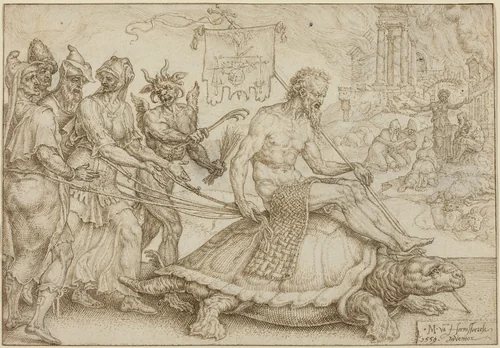
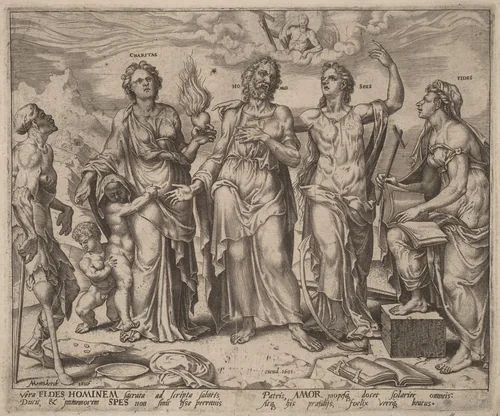
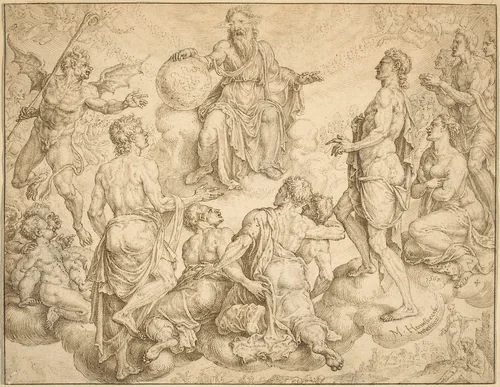
While Heemskerck was a noted painter, producing solemn devotional works and precise portraits like Portrait of Machtelt Suijs, his broader and more enduring impact rests significantly in the realm of graphic arts. He worked extensively designing compositions specifically for engravers, thereby expanding his artistic reach across Europe and ensuring a wide distribution of his ideas. This strategy proved highly effective in disseminating his particular brand of Romanized dynamism. His most iconic achievements in this medium are undoubtedly the elaborate series depicting the Wonders of the World, which secured his popular reputation and became highly influential models for subsequent generations of artists and architects. A subtle, visual wit appears evident in his ability to apply the rigorous standards of classical anatomy to biblical narratives, exemplified by preparatory drawings like David Armed before Saul.
Heemskerck’s success in synthesizing the graphic power of the print medium with the dramatic narrative weight of Italian painting ensured his relevance well into the 17th century. Today, his output, comprising surviving Maerten van Heemskerck paintings and numerous masterful preparatory drawings, is held in major institutions globally, including the National Gallery of Art and the Cleveland Museum of Art. Because many of his graphic works are now in the public domain, collectors and researchers can readily access high-quality prints and downloadable artwork. Heemskerck successfully bridged two distinct artistic worlds, demonstrating that a Dutch fidelity to detail could still celebrate the heroic, dynamic scale of antiquity.
Source: Wikipedia · CC BY-SA 4.0