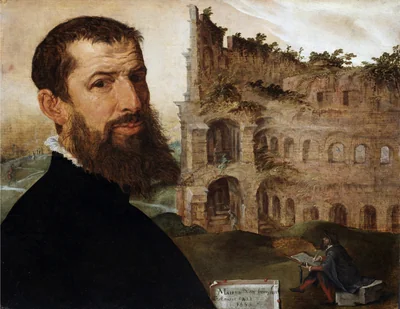
Maarten van Heemskerck
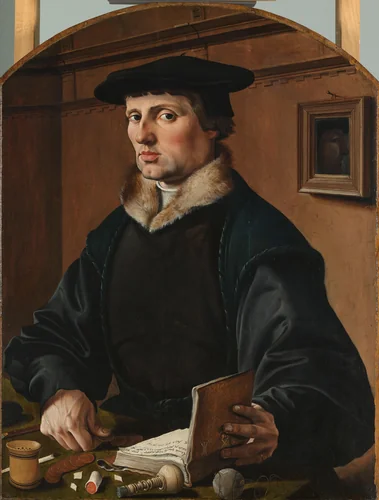
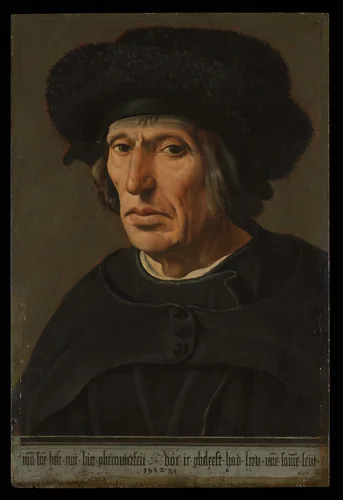
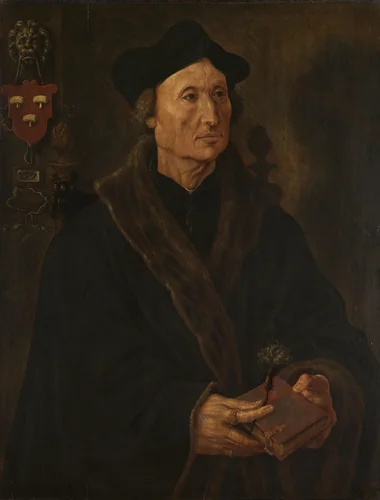
Maarten van Heemskerck (c. 1498-1574) stands as a foundational figure in the history of Northern Renaissance painting, representing the crucial transition when Netherlandish artists began systematically incorporating Italianate classical forms. Primarily active in Haarlem, where he directed a successful studio for much of his career, Heemskerck distinguished himself early as a skilled portraitist and painter of complex religious narratives.
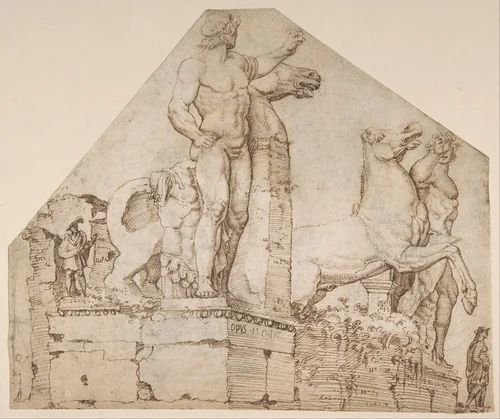
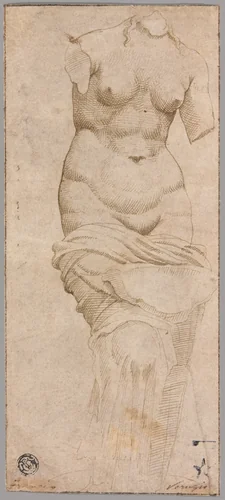
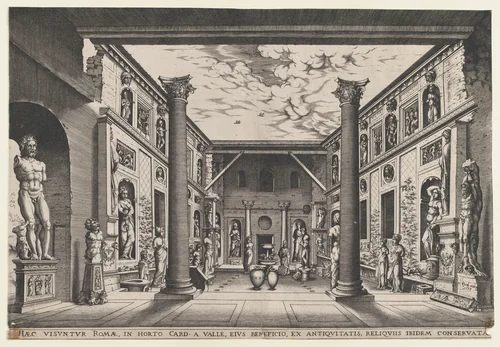
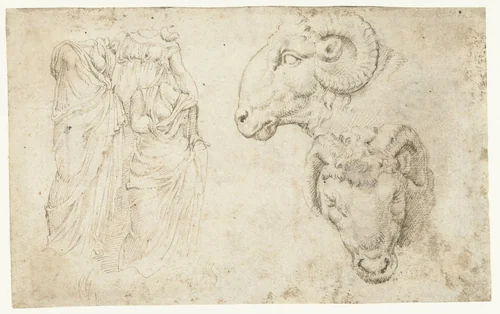
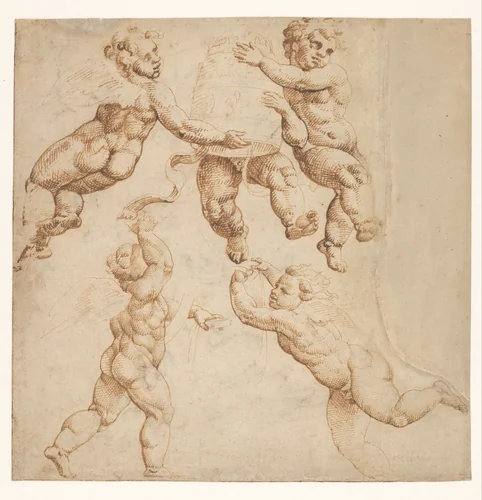
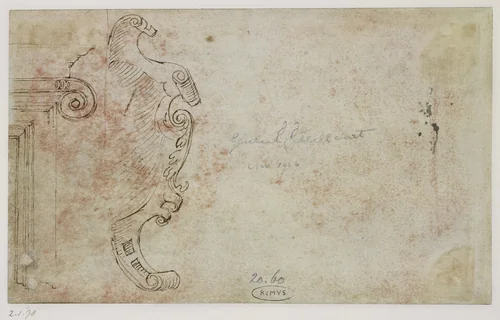
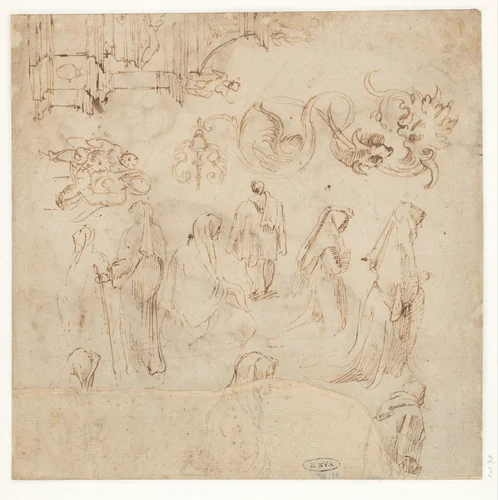
His development was indelibly shaped by his training under Jan van Scorel, an artist celebrated for introducing sophisticated, Rome-inspired compositional techniques to the Low Countries. Heemskerck quickly mastered this style, a foundation that prepared him for the most important phase of his artistic life: the sojourn in Italy from 1532 to 1536. During these years, Heemskerck undertook rigorous study, filling sketchbooks not only with rapid studies but with meticulous documentation of ancient sculpture and architecture. His drawings, such as the preparatory work for The Dioscuri on Monte Cavallo (often backed by detailed architectural sketches), provide essential visual records of the appearance of mid-sixteenth-century Roman monuments.
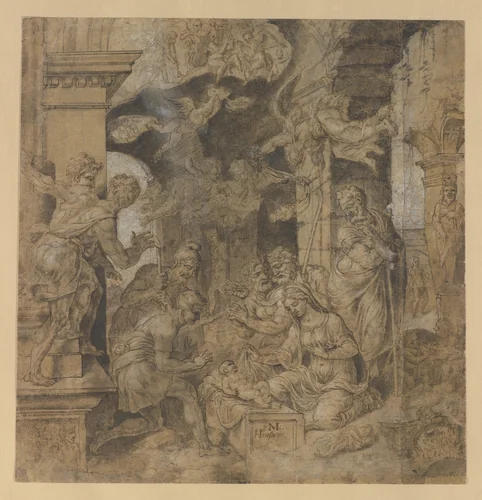
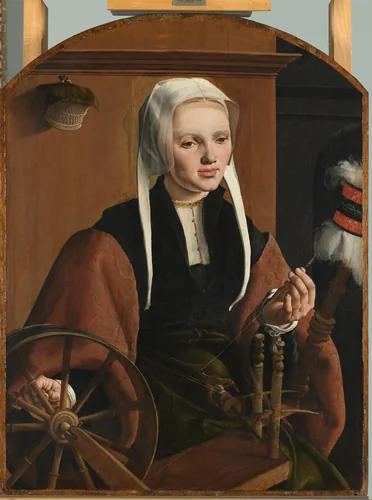
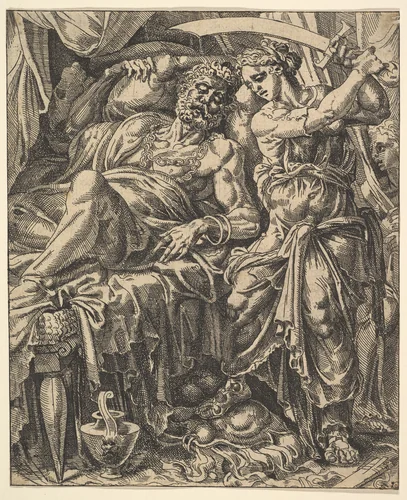
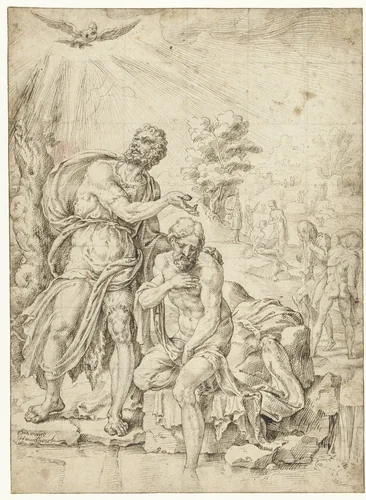
Upon his return to Haarlem, Heemskerck translated this classical knowledge into a monumental style often associated with Northern Mannerism. His religious scenes, like The Adoration of the Shepherds, are characterized by muscular figures, dramatic lighting, and a theatrical approach to space. While his Maarten van Heemskerck paintings are cornerstones of major European and American collections, including the Rijksmuseum and the Metropolitan Museum of Art, his influence was perhaps most widely felt through his designs for printmakers.
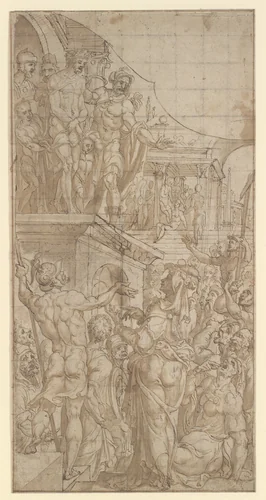
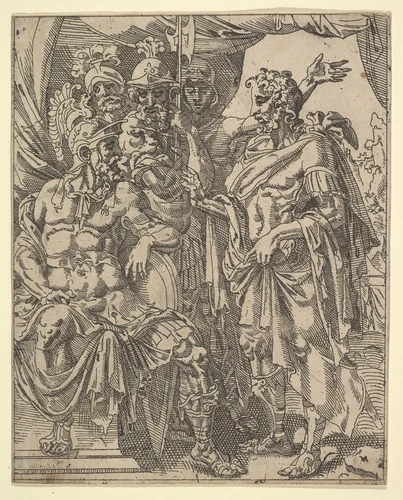
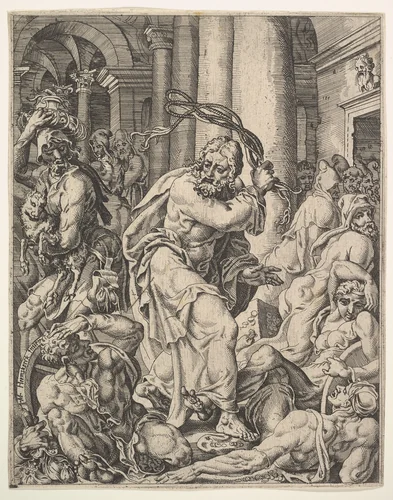
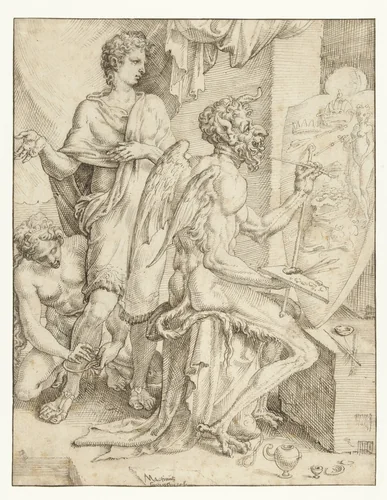
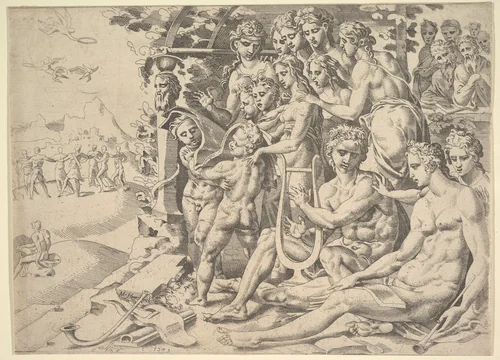
Heemskerck understood the commercial power of reproductive media, supplying numerous compositions for engravers to disseminate across Europe. It is this extensive graphic output, particularly his highly popular depictions of the Wonders of the World, that cemented his widespread fame. Heemskerck had a notable knack for dramatic staging, often placing his subjects, even in solemn scenes like Als de dood nadert, baat geen rijkdom (When Death Approaches, No Wealth Helps), amidst an overwhelming architectural or symbolic clutter, suggesting that spiritual truths, like fame, often require a certain level of visual noise. Today, numerous high-quality prints derived from his designs frequently enter the public domain, ensuring his sophisticated, detail-rich compositions remain accessible as downloadable artwork for scholars and enthusiasts alike.
Source: Wikipedia · CC BY-SA 4.0