M. Dubourg
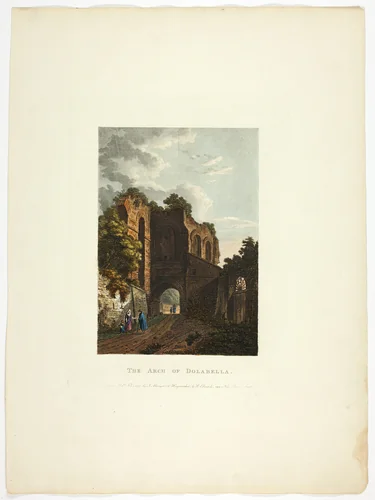
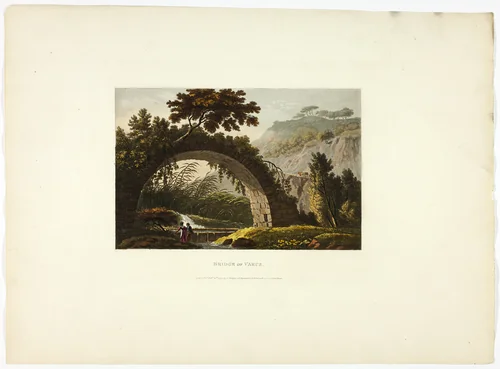
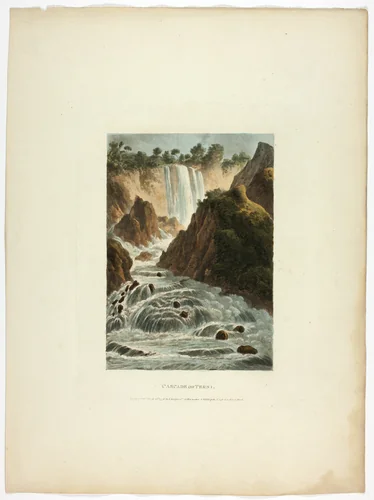
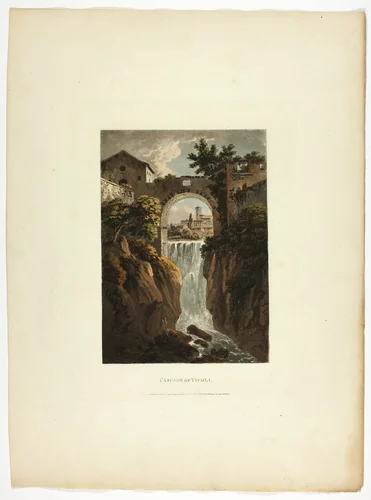
M. Dubourg was a printmaker whose documented activity spans the period 1796 to 1797. Known exclusively through topographical and architectural studies, M. Dubourg’s surviving output focuses heavily on the classical structures of the Italian peninsula.
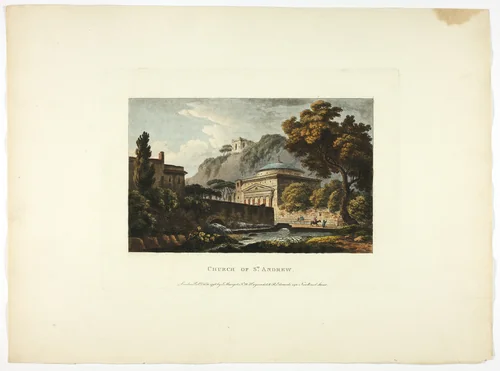
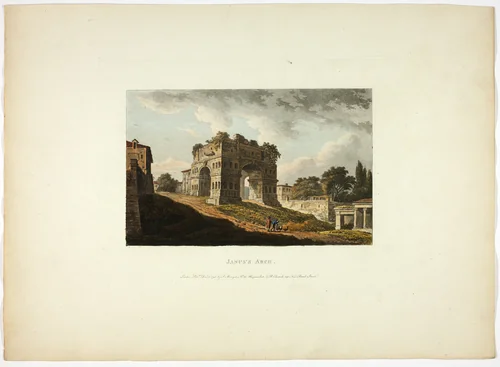
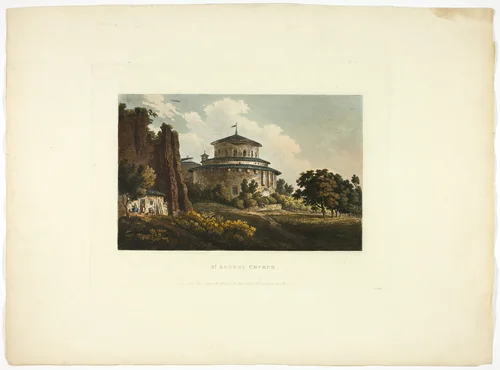
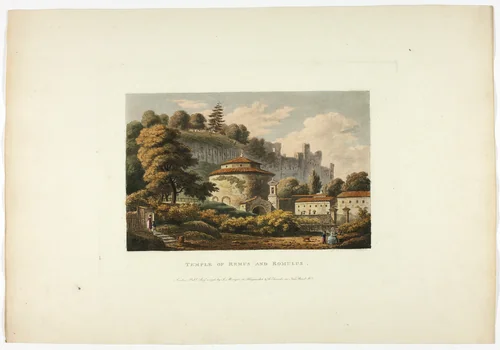
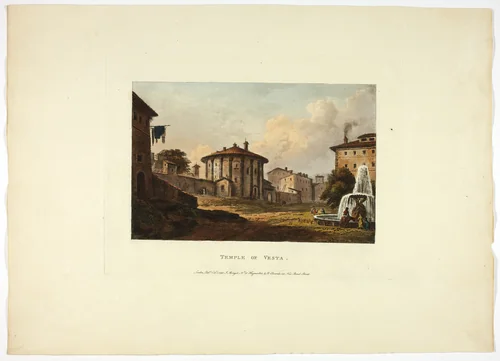
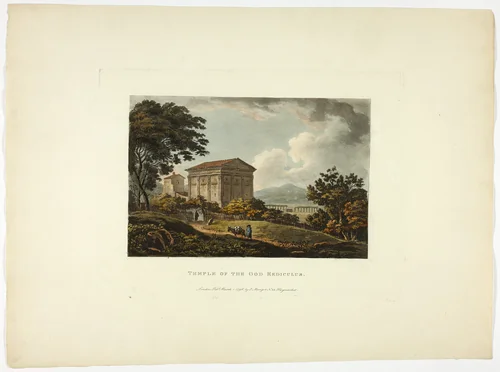
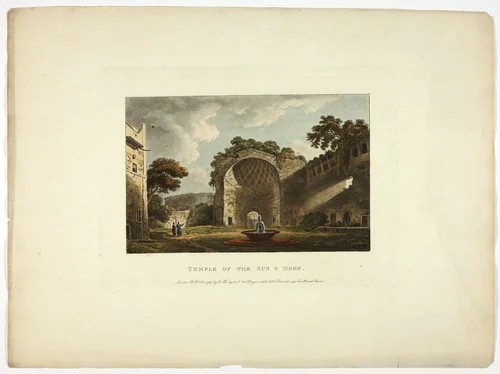
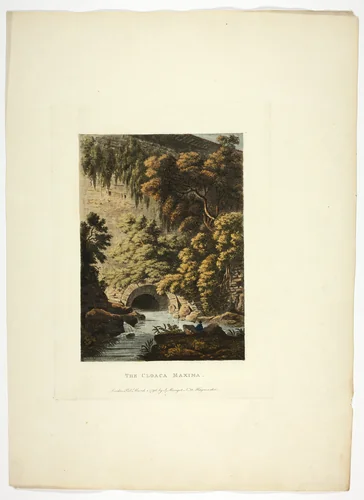
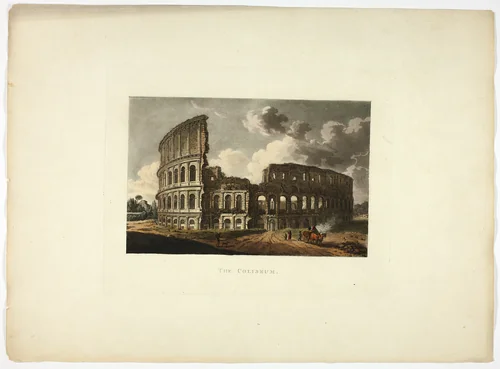
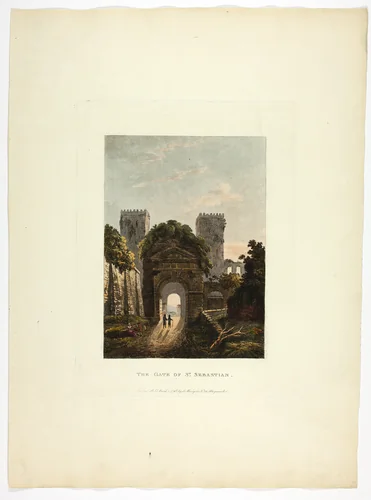
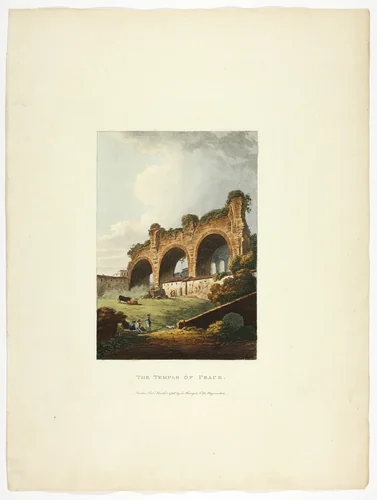
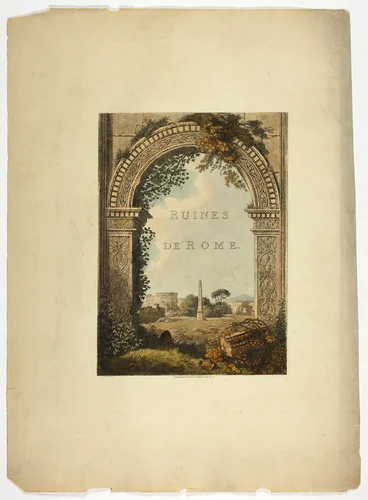
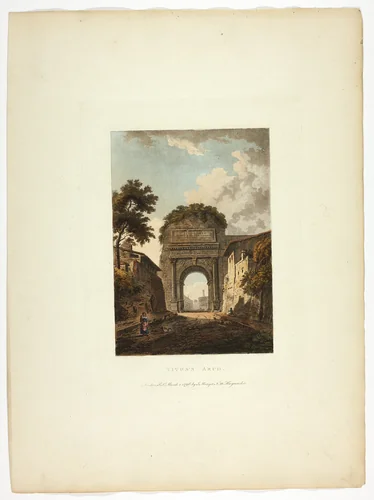
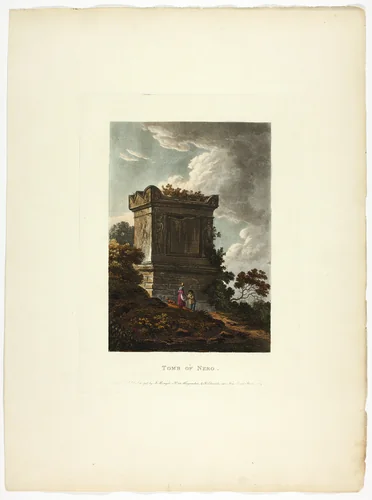
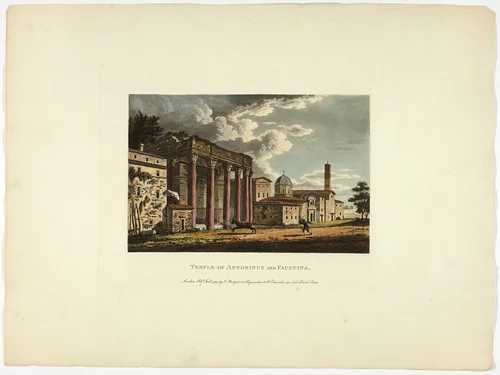
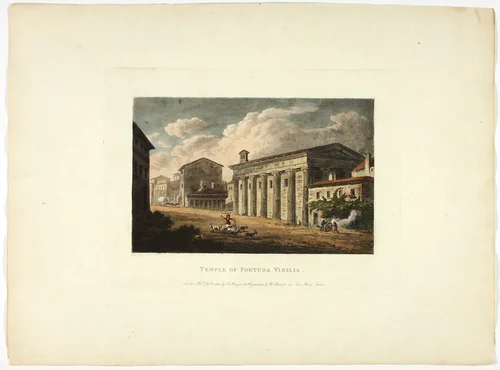
Fifteen M. Dubourg prints are represented in museum collections, confirming the artist's engagement with the widespread late eighteenth-century interest in Roman antiquity. The artist is principally known for contributions to the series Ruins of Rome, from which several notable plates are preserved. These specific prints include St. Agnes's Church, Church of St. Andrew, Temple of Remus and Romulus, Temple of Vesta, and Janus's Arch.
The collection and study of these works establish M. Dubourg as a minor figure documenting classical sites during the transitional era between the Neoclassical and Romantic periods. The Art Institute of Chicago holds examples of the artist's work, ensuring their preservation. Today, the detailed nature of these plates allows for the study of architectural history, with many of these historical records entering the public domain, providing access to high-quality prints of classical views.