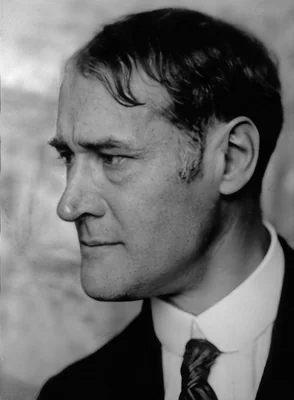
Lyonel Feininger
Lyonel Feininger (1871-1956) was a German-American painter and graphic artist who holds a defining position in the history of classical modernism, serving as a leading exponent of Expressionism. Born and raised in New York City, Feininger commenced his formal artistic studies upon traveling to Europe in 1887, enrolling in academies across Hamburg, Berlin, and Paris.
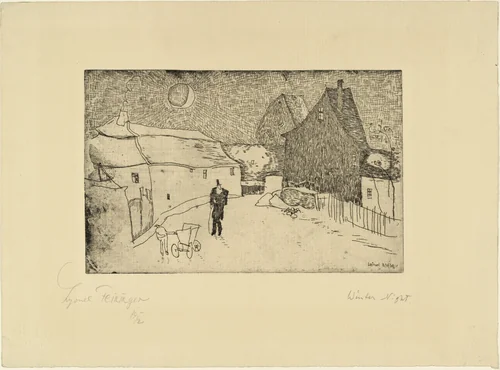
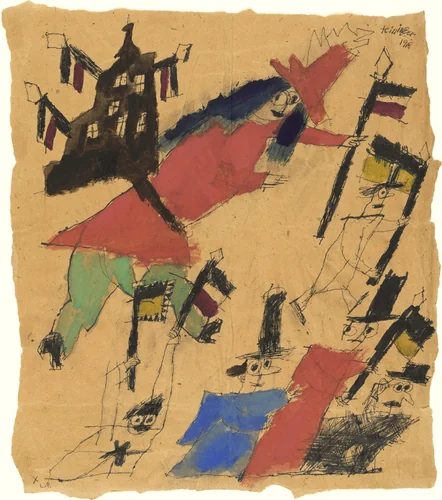
Before devoting himself fully to fine art at the age of 36, Feininger established a robust, two-decade-long career as an immensely successful commercial caricaturist and comic strip innovator, starting in 1894. This early output demonstrated his sophisticated handling of linear detail and narrative structure. Works from this period include the detailed print Ye Learned Apothecary and his celebrated serialized comic strips for The Chicago Sunday Tribune, such as Aunty Jimjam and Cousin Gussy Have a Vision of the Kin-der-Kids. This extensive graphic work, evidenced by a collection of 10 prints and five drawings created between 1901 and 1906, provided the foundation for the rigorous spatial geometries of his later canvases.
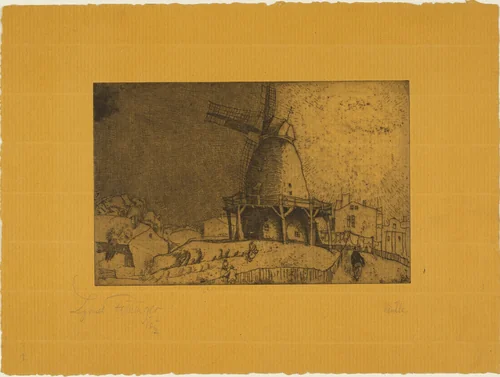
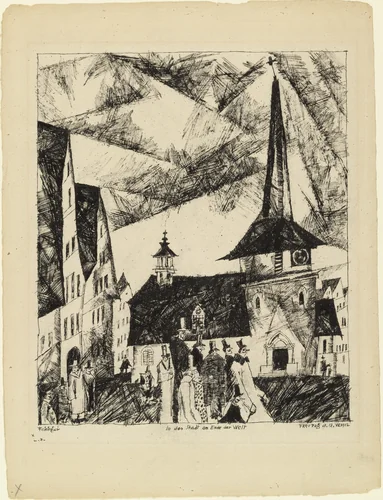
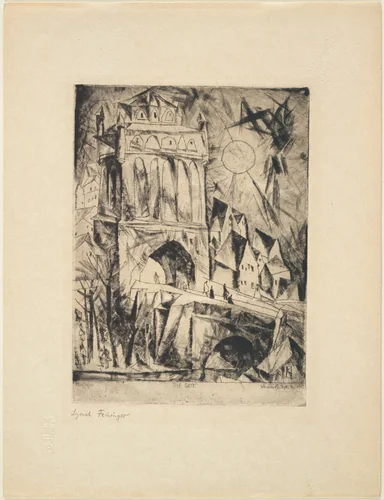
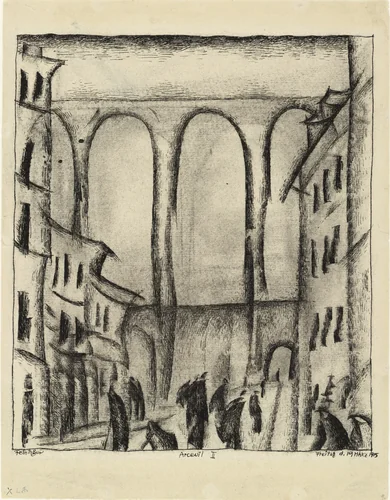
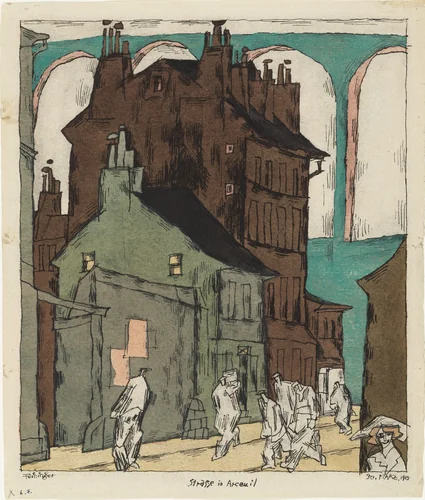
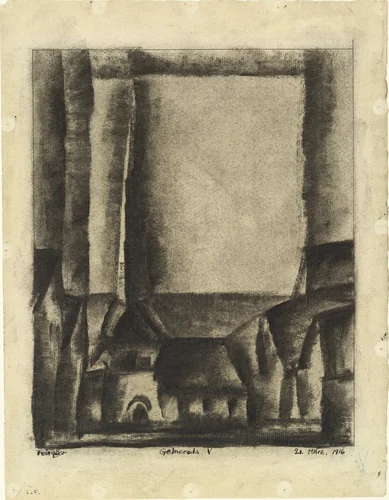
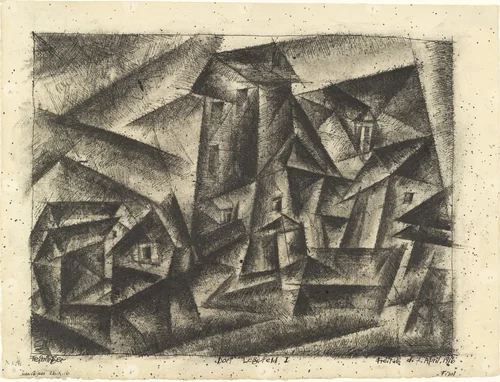
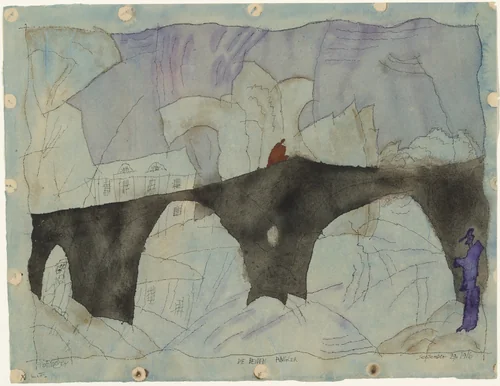
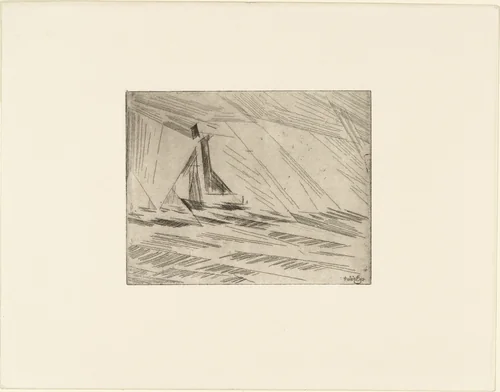
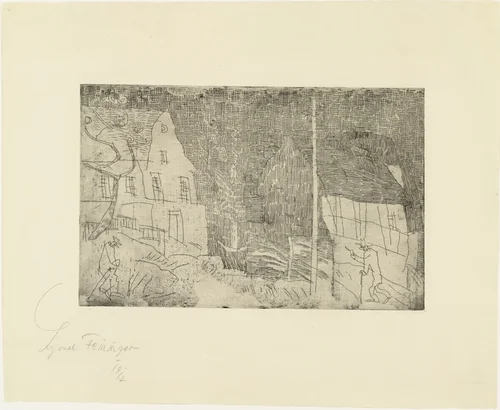
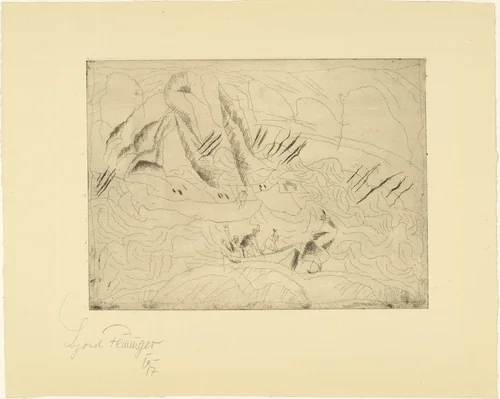
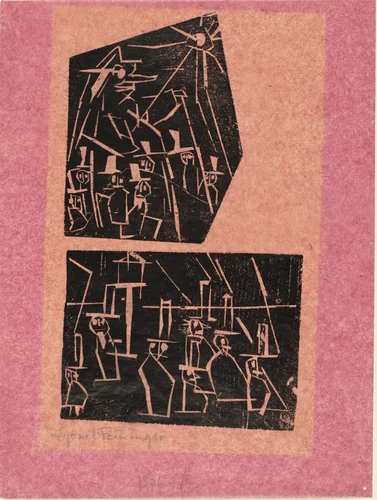
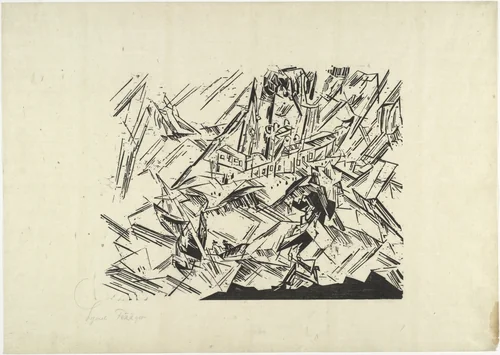
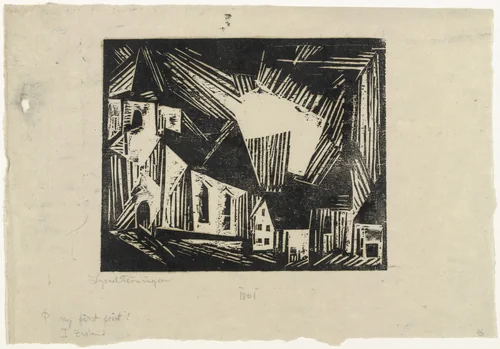
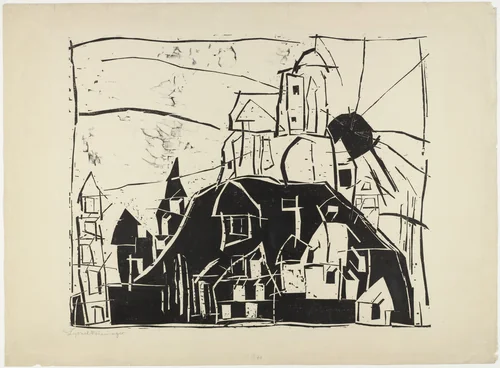
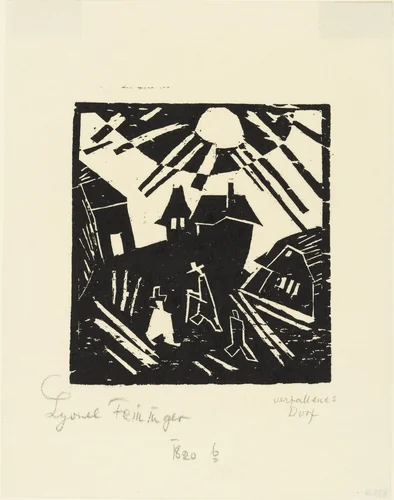
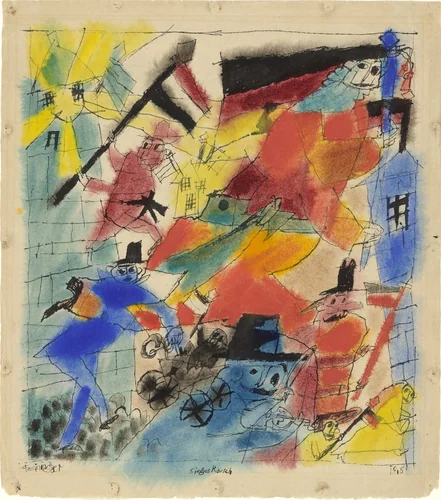
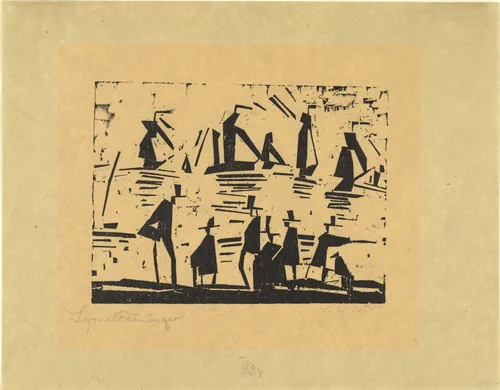
Feininger’s mature style, developed after his transition to painting, became unmistakable. His compositions are characterized by the prismatically broken, overlapping forms rendered in luminous, translucent colors. His thematic interests consistently focused on the structural integrity of architecture and the dynamic atmosphere of the sea, often merging landscapes and built structures into complex, crystalline forms.
He was highly regarded for his versatility; in addition to his significant oeuvre of Lyonel Feininger paintings, he produced a large body of photographic works and composed several acclaimed fugues for the organ. Today, his output is preserved in major institutions globally, including the Museum of Modern Art. Scholars and collectors seeking high-quality prints of his graphic works and early sketches find valuable resources through public domain archives, ensuring this comprehensive view of his powerful modernist contributions remains accessible for future study.
Source: Wikipedia · CC BY-SA 4.0