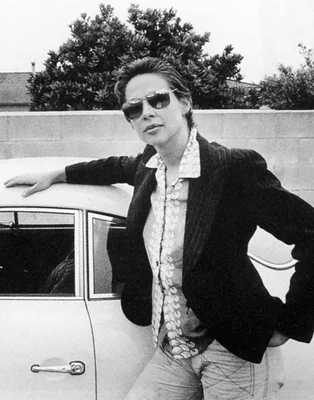
Lynda Benglis
Lynda Benglis is a seminal American visual artist whose career, documented extensively from 1966 through 1997, centered on challenging the material and spatial conventions of modern sculpture and painting. Born in 1941, Benglis emerged during a crucial period of artistic reevaluation, developing an influential body of work that fundamentally shifted the dialogue regarding anti-form aesthetics and process art. Her significance in the American post-war canon is evidenced by the inclusion of her work in major collections, including the National Gallery of Art.
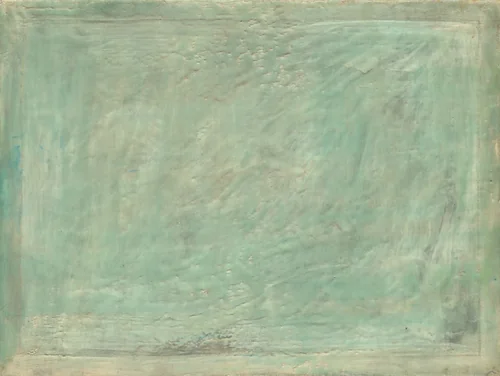
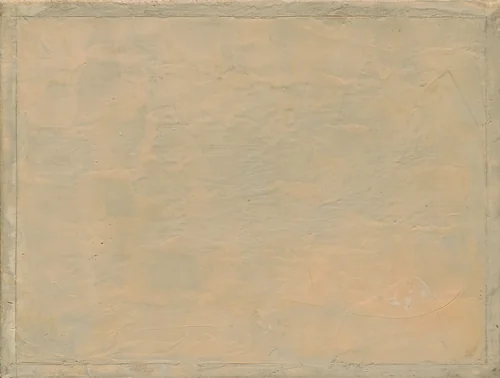
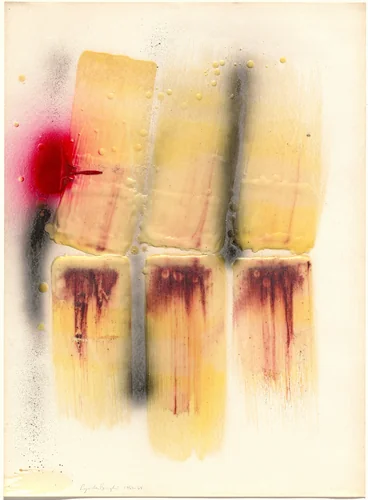
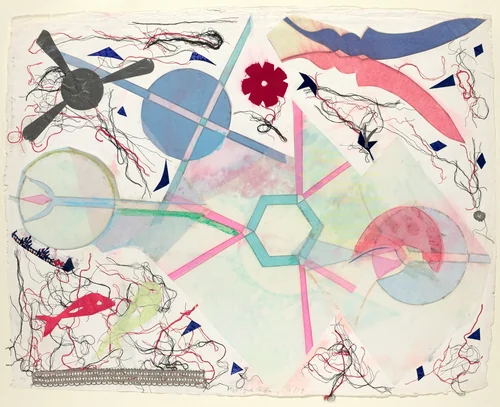
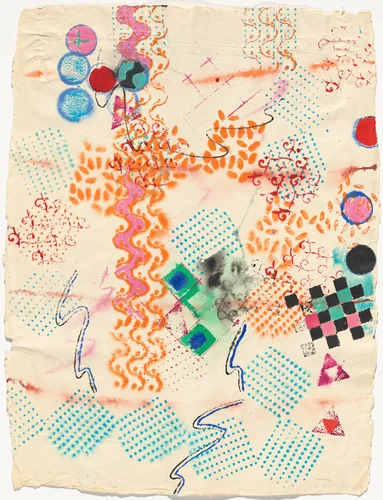
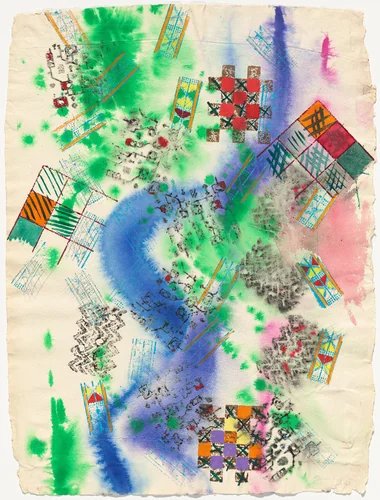
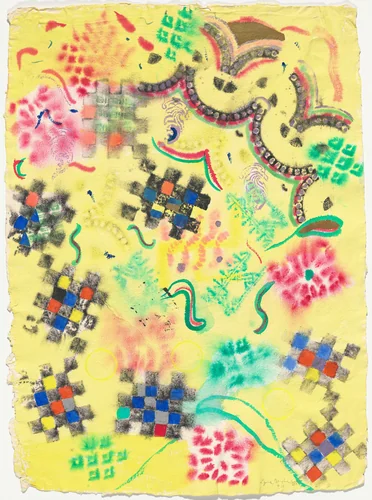
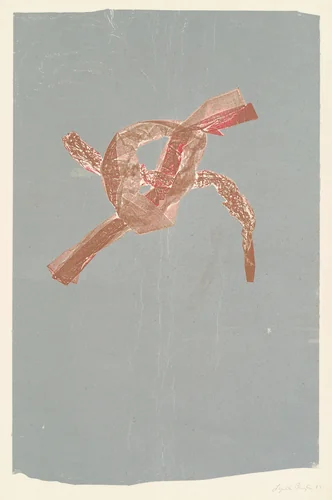
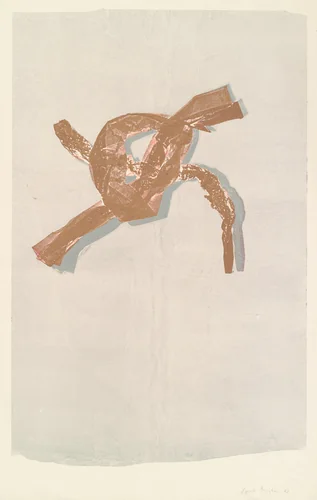
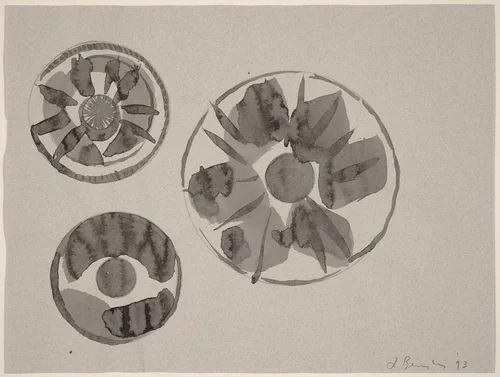
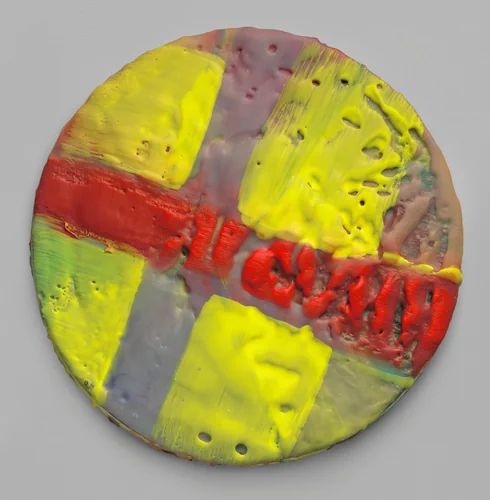
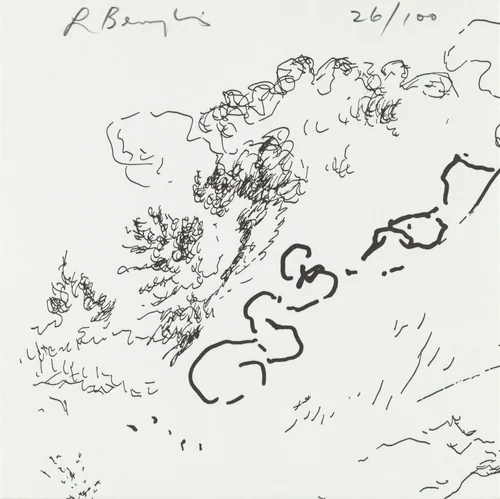
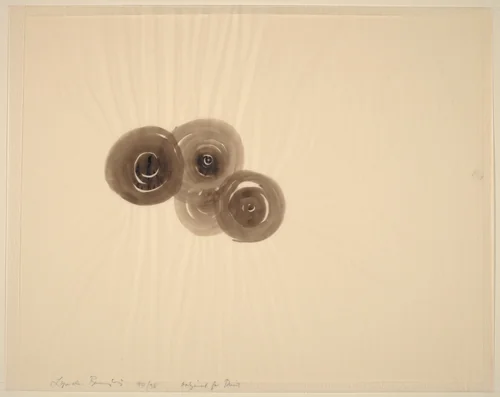
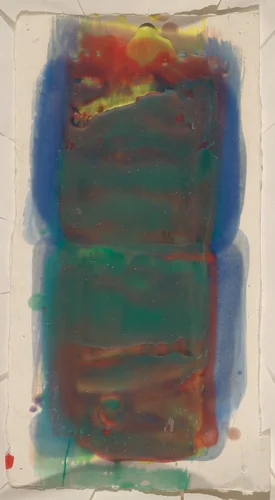
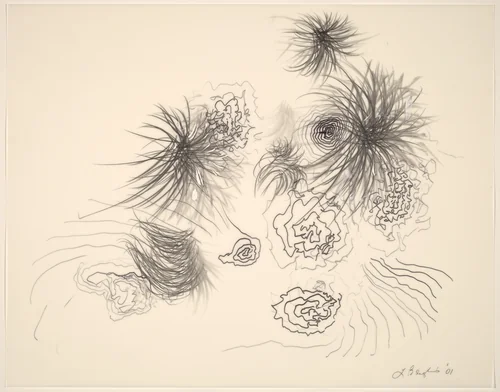
Benglis is perhaps best recognized for two key material departures: her intricately layered wax paintings and her pioneering use of poured latex and polyurethane foam. The wax works, utilizing heat and density, applied paint as a sculptural medium, creating deeply textured surfaces that bridge the gap between traditional canvas and three-dimensional object. Her database works, such as the drawing Drawing #27 and paintings like Pani Rang #21, demonstrate this persistent commitment to exploring form through substance.
Conversely, her voluminous, often brightly pigmented poured sculptures introduced an element of controlled chance and fluidity. These liquid interventions, frequently taking the form of sprawling floor-pours or cantilevered wall-splatters, offered a sensuous, organic counterpoint to the rigid geometries of contemporaneous Minimalism. Benglis utilized industrial processes to achieve an expressive visual language, positioning herself firmly among the artists exploring the viscosity and gravity inherent in process-based media.
An intriguing aspect of Benglis’s sustained artistic production is her geographical dynamism. While many modern artists root themselves in a single cultural capital, Benglis maintains working residences in remarkably disparate locations: New York City, Santa Fe, New Mexico, Kastellorizo, Greece, and Ahmedabad, India. This truly global dispersal suggests an artistic curiosity unfettered by a singular regional aesthetic, allowing her material practice to absorb diverse cultural and physical influences. Her enduring appeal ensures that high-quality prints and critical studies of Lynda Benglis paintings and sculptures remain cornerstones of 20th century art history scholarship.
Source: Wikipedia · CC BY-SA 4.0