Lyman Young
Lyman W. Young stands as a historically significant figure whose career bridged the popular culture of American cartooning and the meticulous archival demands of federal art programs. While he is perhaps best recognized by the public as the creator of the influential comic strip Tim Tyler’s Luck, his most enduring and formally recognized artistic contributions stem from his focused work during the New Deal era.
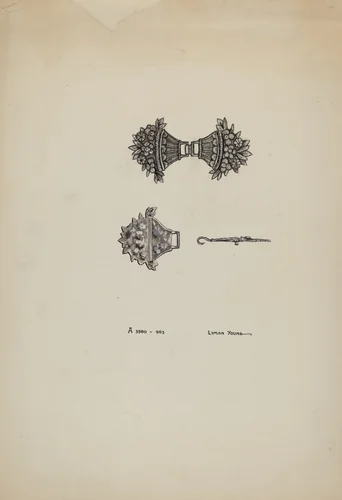
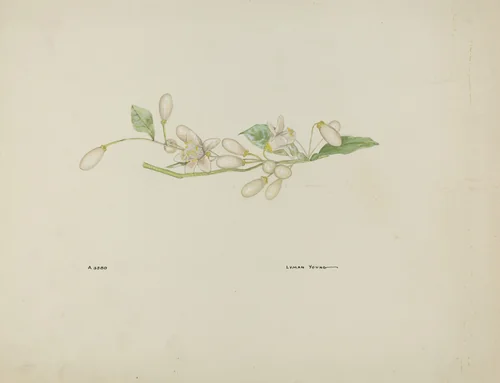
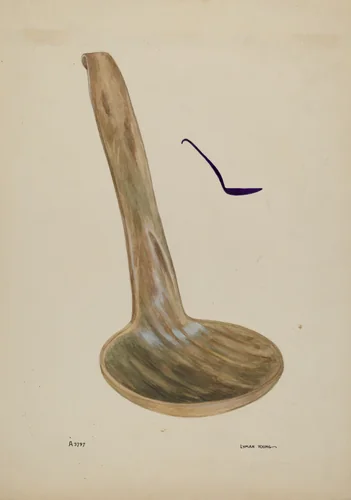
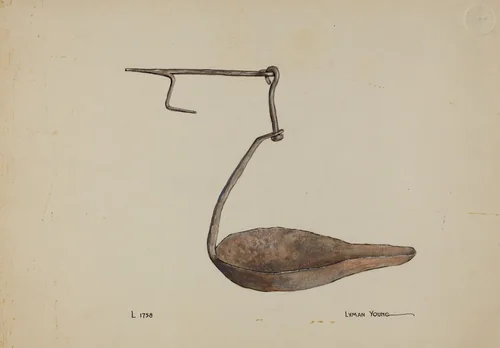
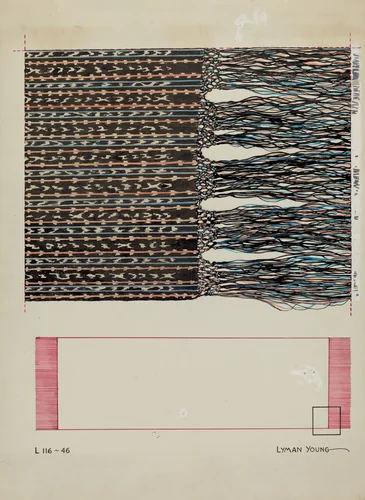
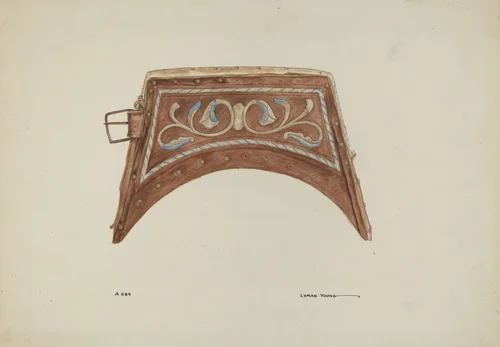
Active primarily between 1935 and 1940, Young was a critical participant in the Index of American Design (IAD), a far-reaching Works Progress Administration (WPA) initiative. The IAD was established to create a comprehensive visual record of American decorative and functional material culture preceding the age of industrialization. Young’s assignments required the highly refined technical skill of an experienced draftsman, focusing on translating three-dimensional artifacts into precise, two-dimensional renderings suitable for long-term historical study.
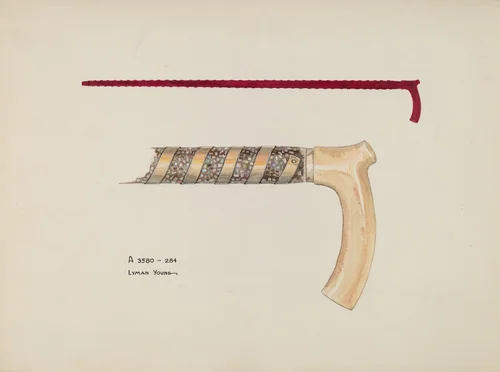
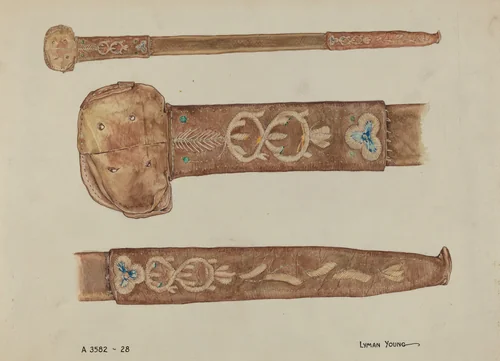
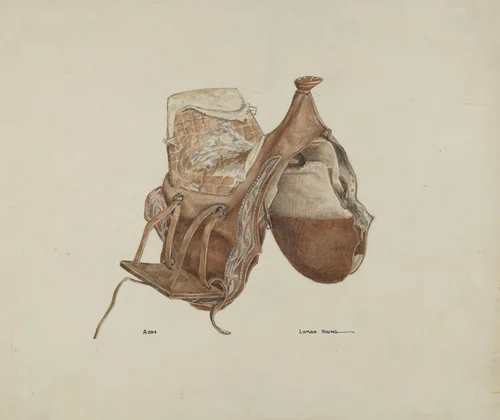
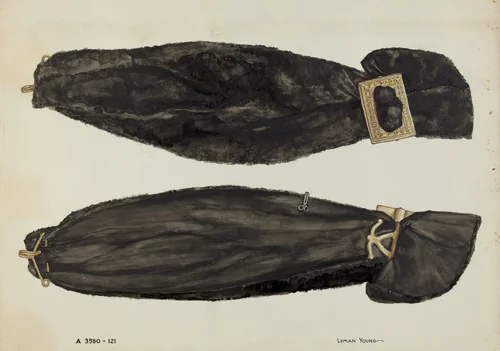
His body of work for the IAD, now housed in the collections of the National Gallery of Art, comprises detailed illustrations of domestic and utilitarian objects, prioritizing structural integrity and textural accuracy. These studies include the Walking Stick, an Embroidered Leather Scabbard, and the highly complex Woman’s Side Saddle. The resulting museum-quality documentation preserves the aesthetics and craftsmanship inherent in early American design.
Young’s style in these renderings stands in stark contrast to the dynamic storytelling required for sequential art. The IAD works are characterized by a solemn commitment to faithful representation, ensuring that details like stitching, wear, and hardware are accurately cataloged. Today, the surviving downloadable artwork from this period provides an invaluable resource for scholars studying the history of American craft and industry.
It is a curious historical juxtaposition that while Lyman Young dedicated himself to meticulously preserving the artifacts of previous centuries, his younger brother, Chic Young, achieved widespread fame by creating the Blondie strip, arguably defining the American suburban ideal for the modern age. Despite being often overshadowed by his sibling’s fame, the Lyman Young prints derived from the Index remain a profound and lasting record of American functional artistry.
Source: Wikipedia · CC BY-SA 4.0