Luigi Sabatelli
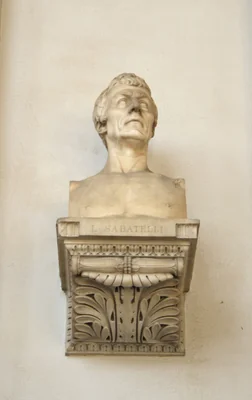
Luigi Sabatelli (1772-1828) holds a significant position among the key Italian artists operating within the severe and structured conventions of the Neoclassic period. Active across the central artistic hubs of Rome, Milan, and Florence, his career spanned the end of the 18th century and the first three decades of the 19th, positioning him as a master draftsman whose influence extended beyond painting into the critical field of printmaking.
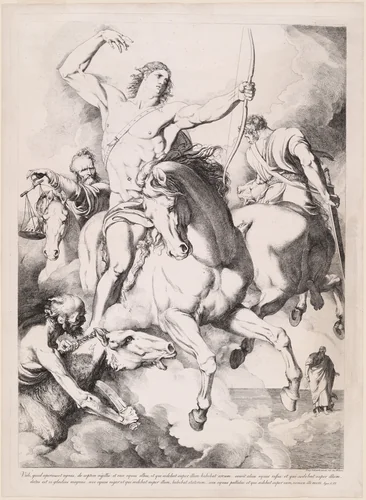
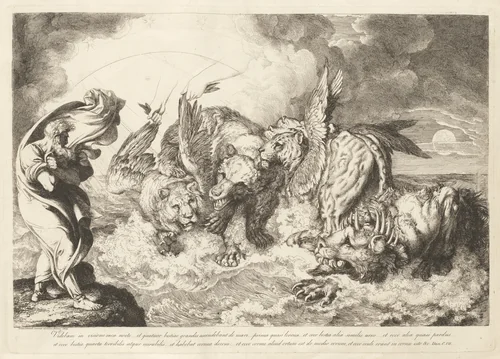
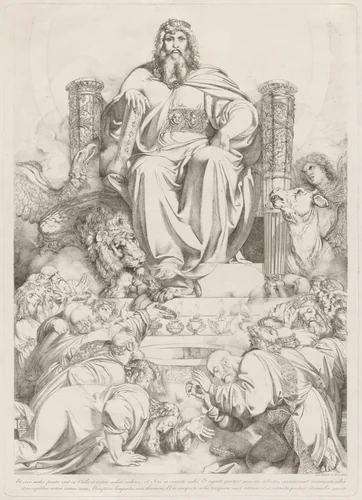
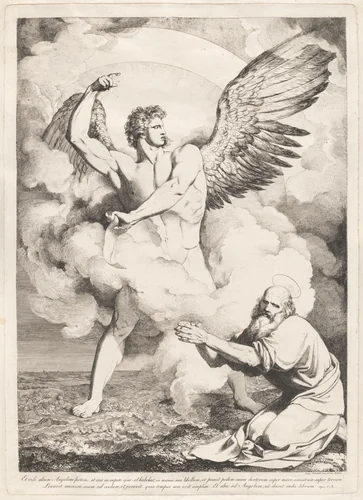
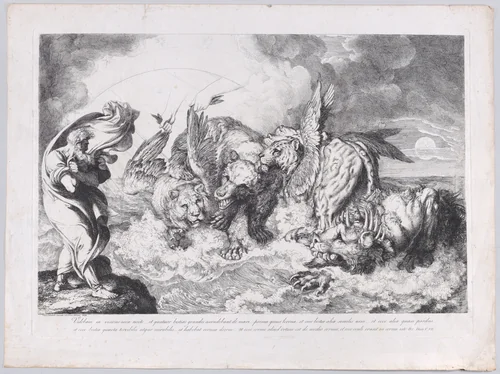
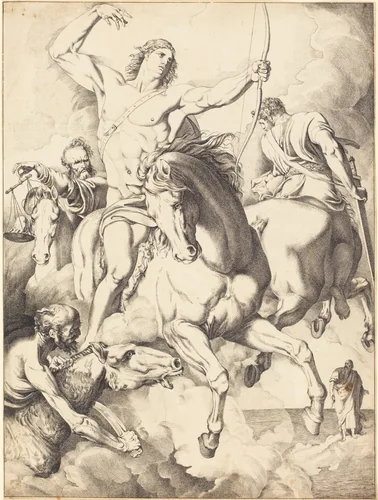
Sabatelli excelled in both epic narrative cycles and precise figure studies. His surviving graphic output, which includes meticulously rendered drawings and consequential prints, demonstrates a mastery of academic form, focusing heavily on biblical and classical themes appropriate for the era's elevated taste. Works such as Vidi, quod aperuisset agnus... (The Four Horsemen of the Apocalypse) and the prophetic Daniel's Vision exemplify the period’s demand for elevated drama, rendered with meticulously controlled line work and profound chiaroscuro. These compositions required an exceptional technical proficiency in handling complex human anatomy and turbulent atmospheric effects.
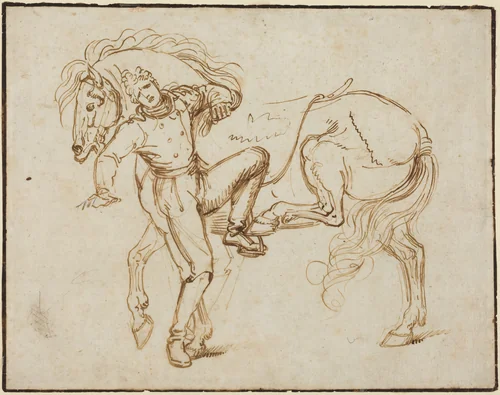
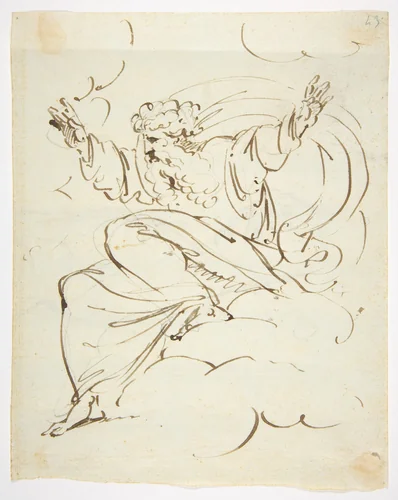
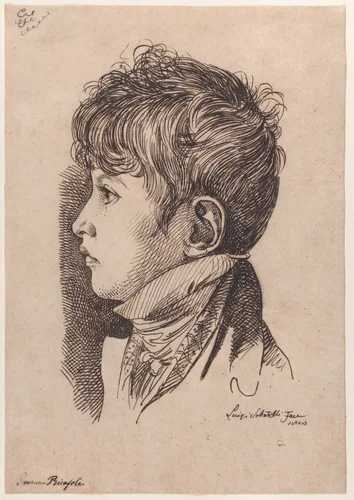
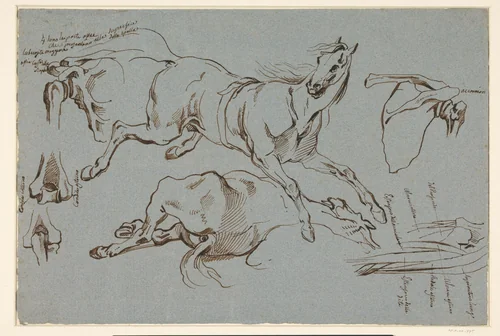
His meticulous studies, sometimes capturing both recto and verso subjects, like the preliminary sketch God The Father Creating (?) (recto); Study of neo-classical statue of a nude male (verso), underscore the academic rigor fundamental to his approach. It is perhaps telling that an artist so adept at depicting the terrifying grandeur of divine judgment and the Apocalypse also applied the same rigorous skill to capturing the momentary poise of Cavalryman Mounting a Horse or the youthful innocence reflected in the Portrait of Giovanni Ricasoli, aged 5. This professional breadth, moving seamlessly from the sublime to the intimately domestic, underscores the demanding versatility expected of a high-level academic artist of the time.
Sabatelli’s technical precision ensures his continued relevance today. His original works are preserved in leading institutions such as the Rijksmuseum, the Metropolitan Museum of Art, and the National Gallery of Art. Because many Sabatelli prints and drawings now reside in the public domain, downloadable artwork of museum-quality is widely accessible, allowing scholars and enthusiasts to study these historic works, often made available as high-quality prints for personal collections.
Source: Wikipedia · CC BY-SA 4.0