Ludwig von Siegen
Ludwig von Siegen (1600-1657) holds a foundational and crucial position in the history of graphic arts, identified definitively as the inventor of the mezzotint technique. This revolutionary printing process, sometimes referred to by his contemporaries as the manière noire or black manner, fundamentally transformed the tonal capabilities of intaglio printing. By relying on mechanical pressure to create an evenly burred plate, von Siegen enabled printers to achieve unprecedented depths of tone and subtle, velvety tonal transitions previously unattainable in engraving.
His biography is notable for its distinctly non-artistic bearing. Von Siegen was a well-educated German aristocrat and career military officer, serving as a Lieutenant-Colonel who commanded the personal guard of William VI, Landgrave of Hesse-Kassel. His service extended into the court, where he acted as a personal aide to the ruler, holding the prestigious title of kammerjunker or Chamberlain. His profound contribution to printmaking thus emerged not from a professional studio, but from the intellectual pursuits of a powerful courtier.
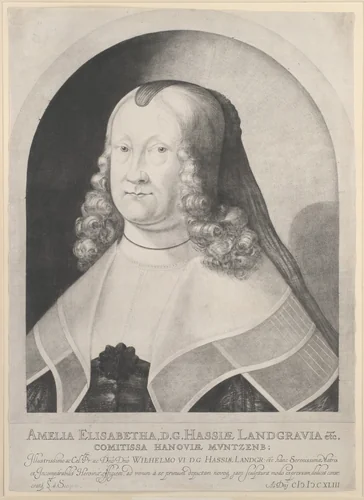
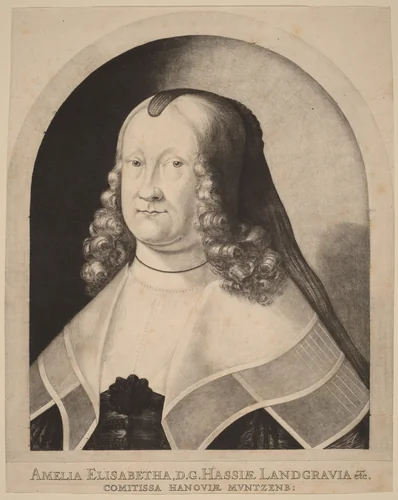
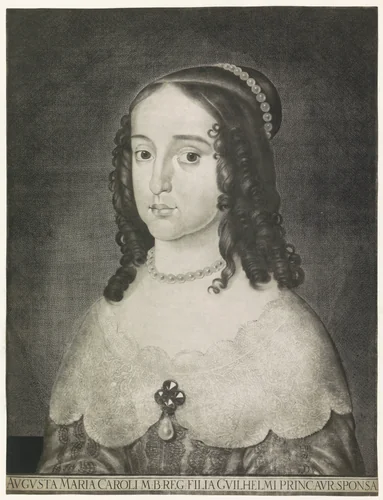
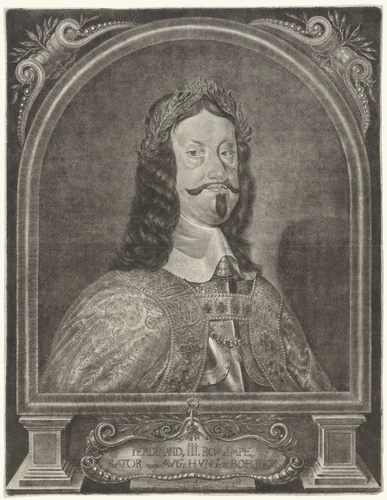
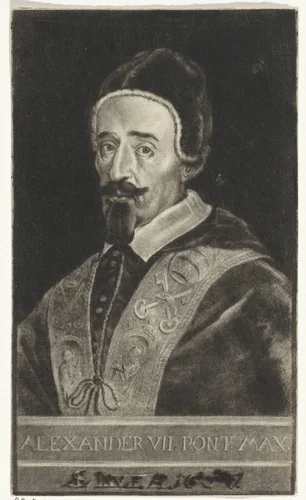
While the known output of Ludwig von Siegen prints is small, each surviving work serves as a landmark document in the history of the medium. These early experiments established the potential of the mezzotint process, particularly its effectiveness in formal portraiture. His inaugural piece, the 1642 portrait of the Landgrave’s wife, Amelia Elizabeth, Landgravine of Hesse, showcased the revolutionary depth of shadow. Other important works include official studies such as Portret van keizer Ferdinand III and Portret van paus Alexander VII.
It is perhaps the great irony of print history that the originator of this most subtle and expressive medium was a career soldier, trained more for precision in battle maneuvers than for subtle chiaroscuro. Despite his amateur status, von Siegen gifted the art world a process that would define reproductive printmaking for the next two centuries. His technical breakthrough ensures that his name endures. Today, while original works are tightly held in collections such as the Metropolitan Museum of Art and the National Gallery of Art, the significance of his high-quality prints remains internationally recognized, with scholarly reproductions often available as downloadable artwork for researchers worldwide.
Source: Wikipedia · CC BY-SA 4.0