Ludwig Richter
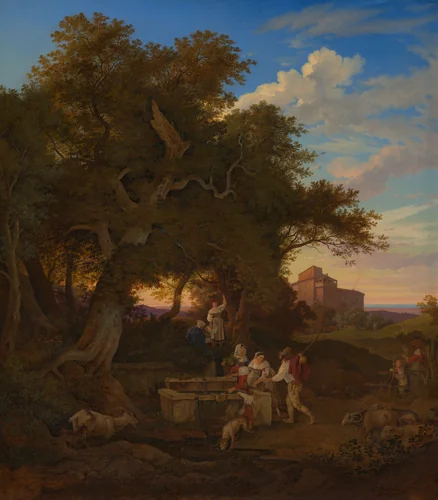
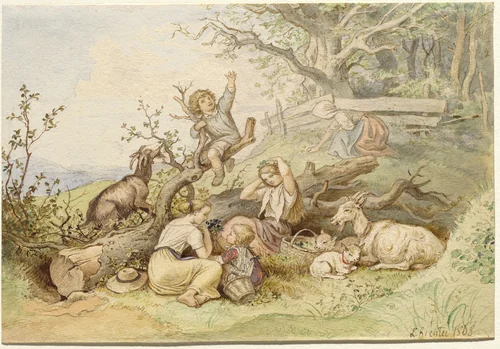
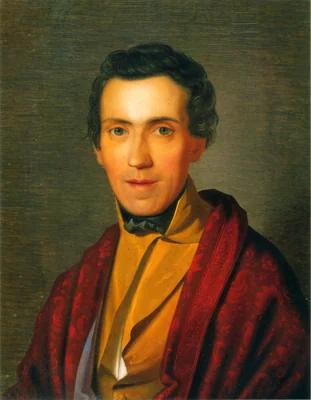
Adrian Ludwig Richter was a highly influential German artist, equally adept as a painter and an etcher, whose career successfully navigated the ideological and aesthetic transition between the dramatic sweep of Romanticism and the intimate, observational style of the Biedermeier era. His work fused classical German graphic traditions with a sensitive, personalized approach to both landscape and genre scenes, establishing him as a defining visual chronicler of 19th-century Central Europe.
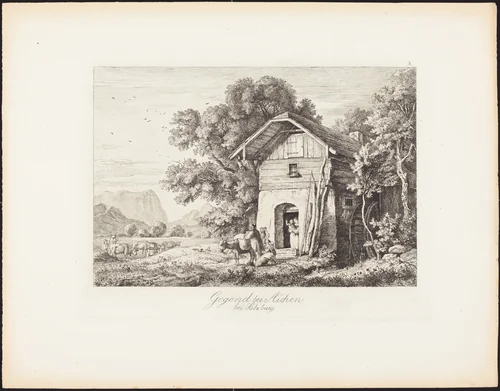
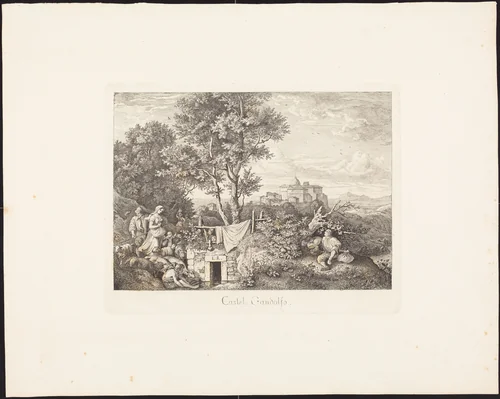
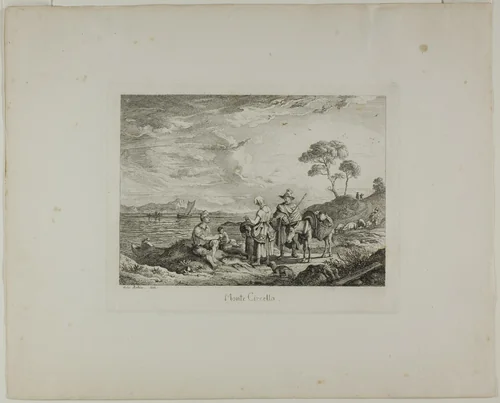
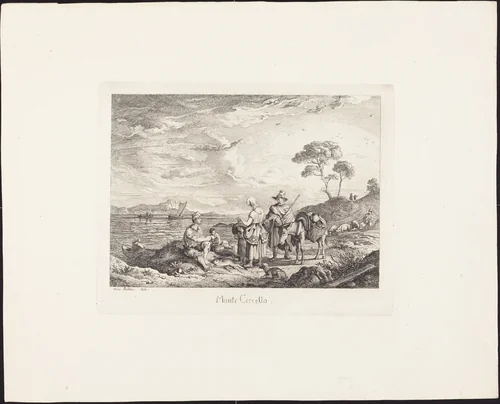
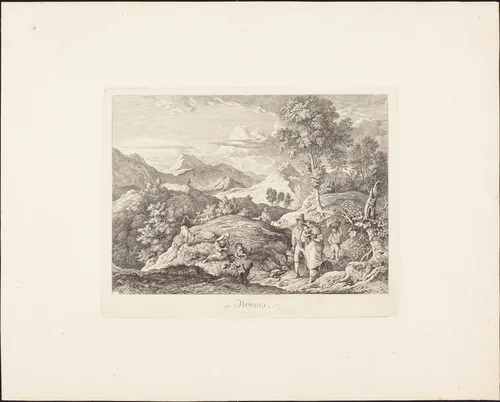
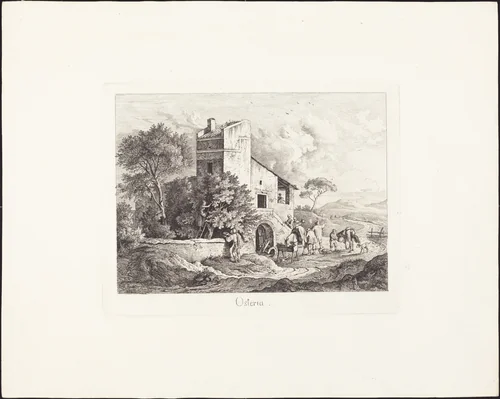
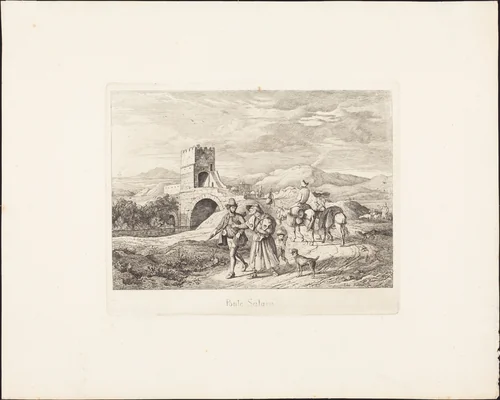
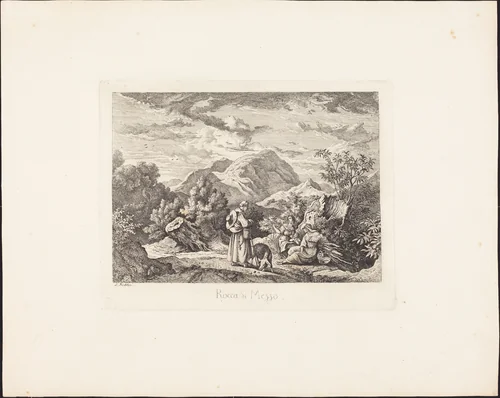
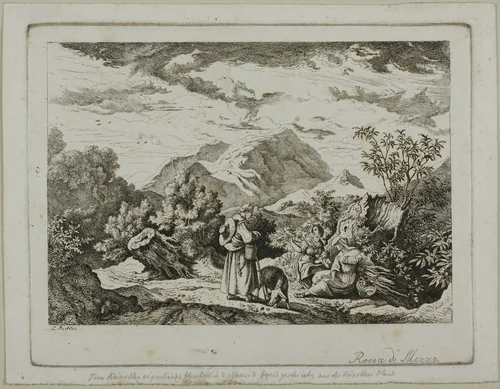
Richter’s foundation was built upon a keen study of the masters of German graphic arts; his early etchings reflect the precisionist detail of Erhard and the narrative clarity of Chodowiecki. Active prolifically as a printmaker between 1824 and 1831, Richter developed a sophisticated graphic style characterized by meticulous lines and an acute sensitivity to atmospheric light. This period is particularly noted for a series of evocative landscape etchings derived from his travels across the continent, capturing the distinct topography of both the Italian countryside and the mountainous German interior.
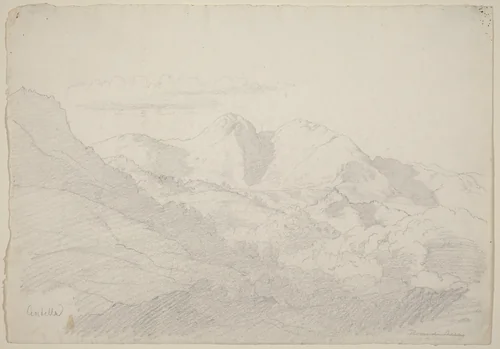
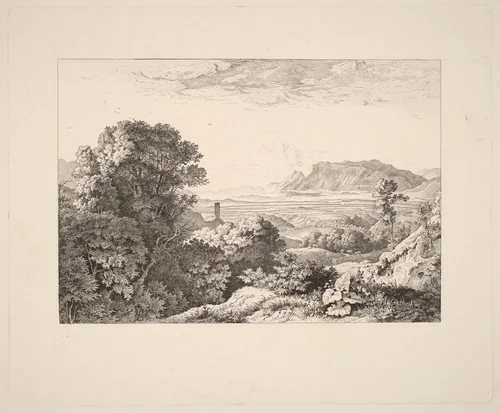
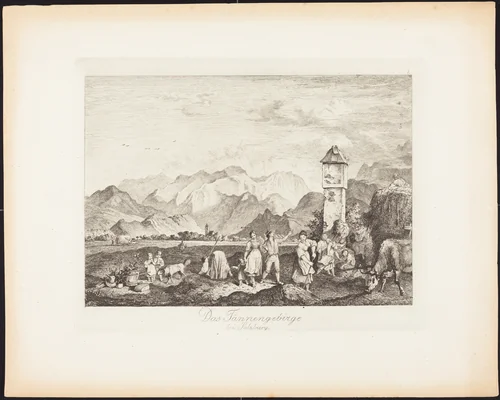
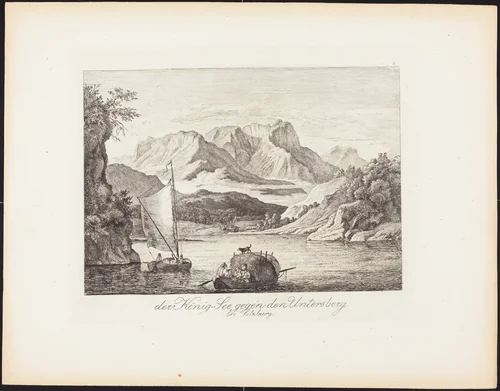
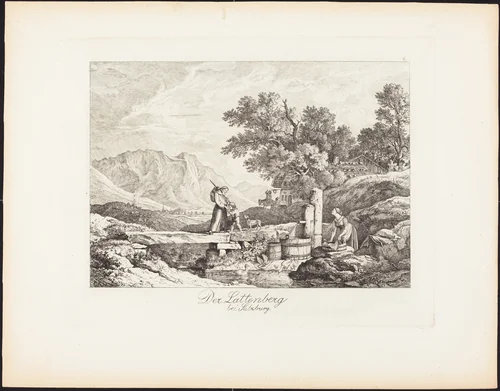
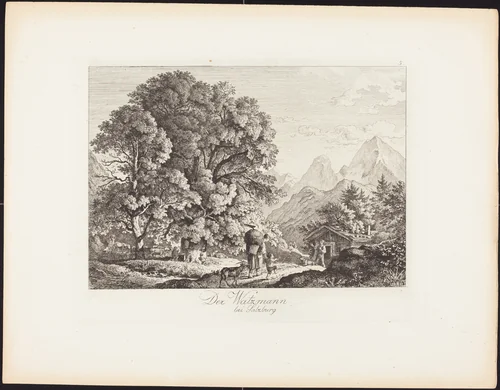
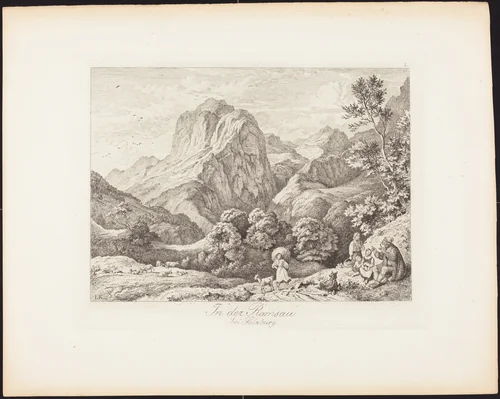
The print portfolio of this era often juxtaposed Mediterranean warmth, seen in works like The Sabine Hills and Rocca Santo Stefano Seen from Civitella, with the severe grandeur of the Alps, as explored in the detailed views of the Salzburg region, including Der König-See gegen den Untersberg bei Salzburg and Das Tännengebirge bei Salzburg. These compositions reveal Richter’s successful attempt to move beyond mere topographical documentation toward a poetic, sometimes introspective, interpretation of place.
Richter’s lasting impact lies in his ability to transform the grand visual aspirations of Romanticism into the relatable narratives cherished by the rising middle class. He skillfully imbued the domestic and the everyday with profound meaning, yet it is perhaps characteristic of his era that the artist whose prints would later define the picturesque German interior was also one of its most skilled interpreters of rugged mountain terrains. Today, Richter’s technical proficiency ensures that his original works are preserved in major collections, including the National Gallery of Art and the Art Institute of Chicago. Furthermore, due to their inclusion in the public domain, the finely rendered details of his etchings ensure that high-quality prints and royalty-free images remain accessible for study and enjoyment worldwide.
Source: Wikipedia · CC BY-SA 4.0