Ludwig of Ulm
Ludwig of Ulm was a printmaker active around the year 1390. Known primarily through a limited corpus of highly significant graphic works, the artist’s name suggests a professional connection to the German city of Ulm during the late medieval period.
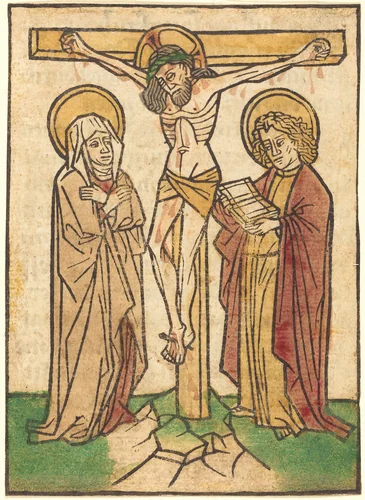
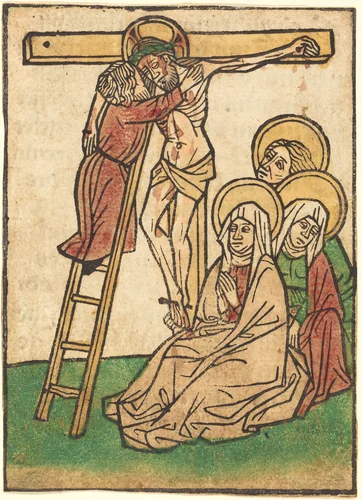
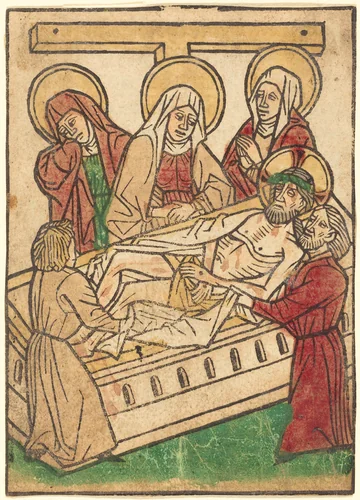
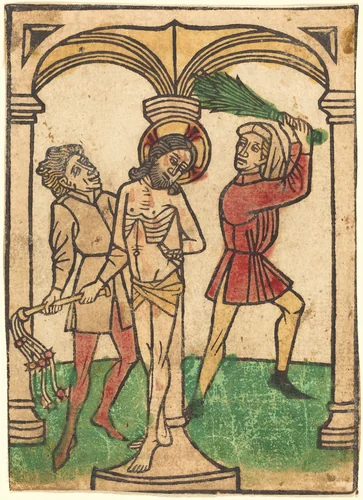
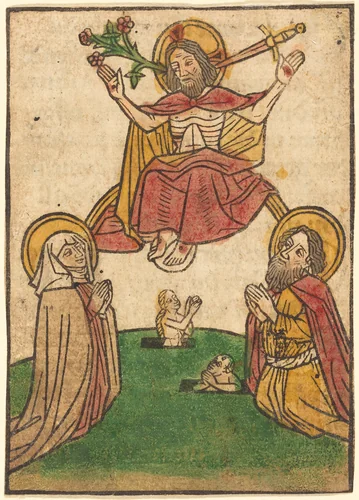
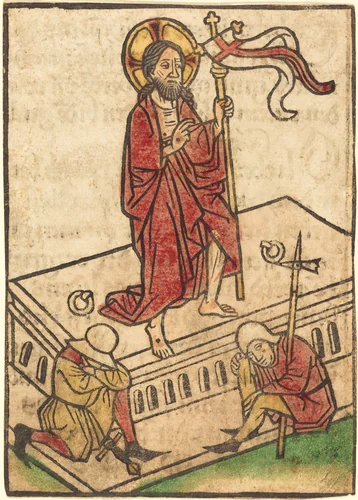
The known oeuvre of Ludwig of Ulm consists exclusively of religious prints, which are essential examples of early European printmaking. Eleven of these works are represented in major museum collections. The focus of these prints centers on the narrative cycles of the life of Christ, particularly the Passion.
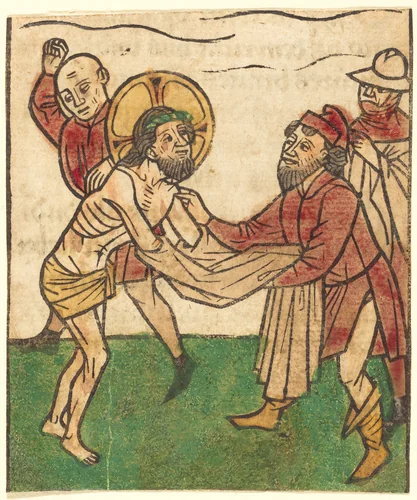
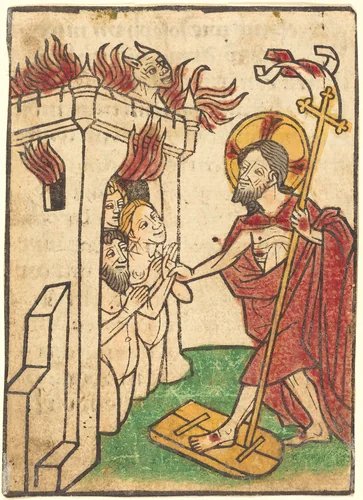
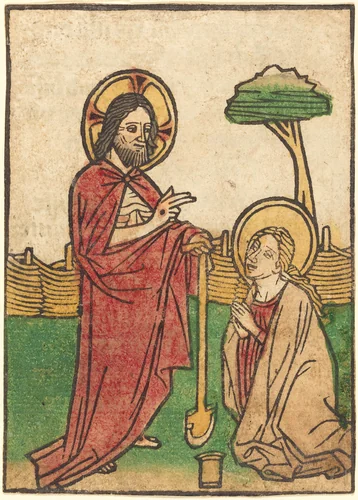
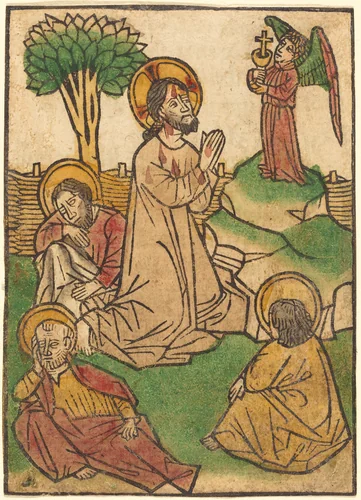
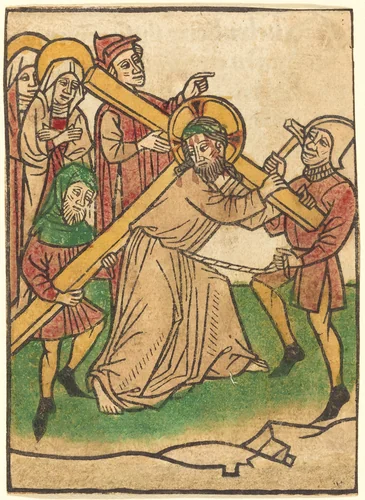
Notable works documented in collections include Christ Stripped of His Garment, Christ in Limbo, and the iconic post-resurrection scene Noli me tangere. Further pieces demonstrating the artist's focused subject matter are The Agony in the Garden and The Carrying of the Cross.
The historical and artistic credibility of this printmaker is established by the preservation of these works in major institutions, including the National Gallery of Art. Today, the surviving examples of Ludwig of Ulm prints are highly valued historical artifacts. Many of these seminal works are now available as downloadable artwork, often residing in the public domain, allowing access to high-quality prints for study and preservation.