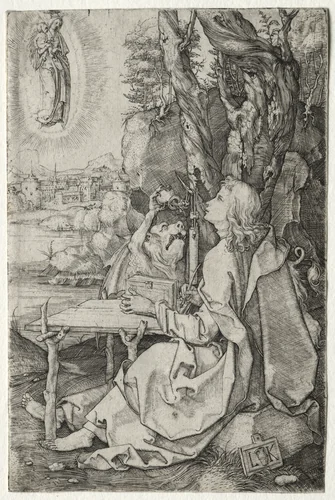
Ludwig Krug
Ludwig Krug (active 1488-1516) occupies a commanding position in the German Renaissance, renowned for his rare combination of expertise as a sculptor, engraver, and, perhaps most notably, as a master goldsmith. Working primarily in Nuremberg, Krug is justly considered alongside Wenzel Jamnitzer as one of the most important goldsmiths active in the region during the transition into the 16th century. His technical mastery bridged the meticulous precision of the late Gothic style with the emerging classicism of the early Renaissance, creating objects distinguished by both complexity and formal elegance.
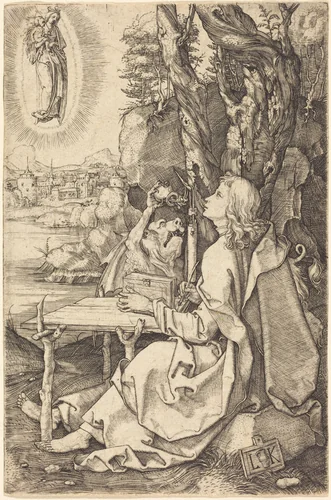
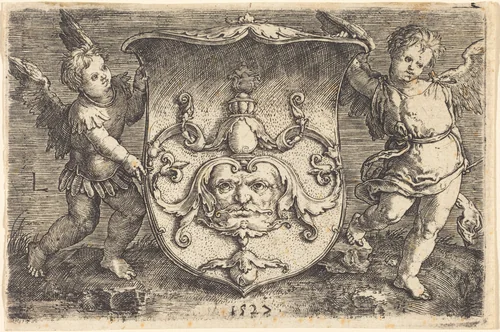
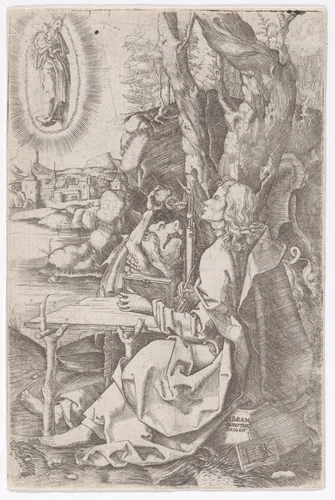
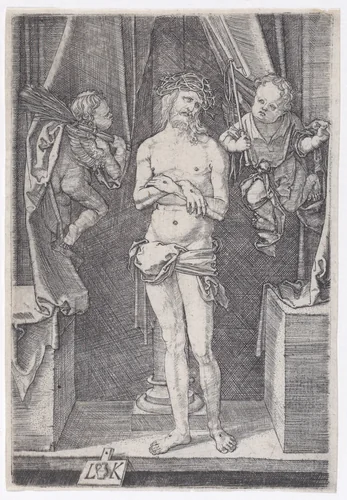
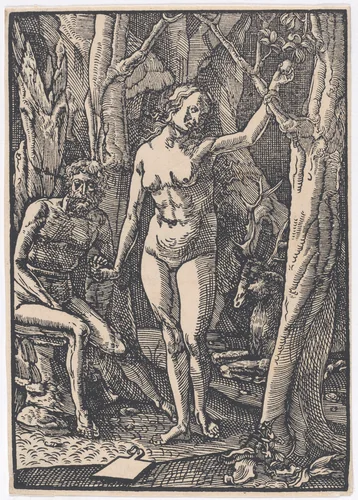
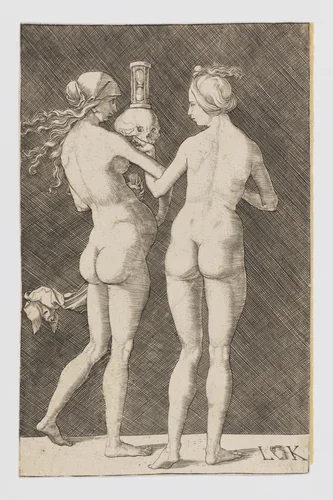
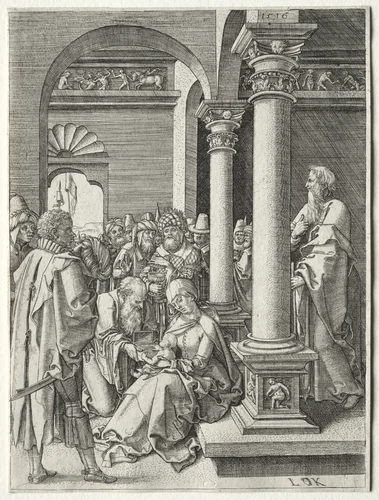
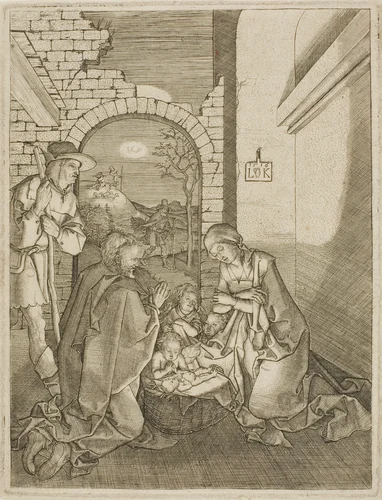
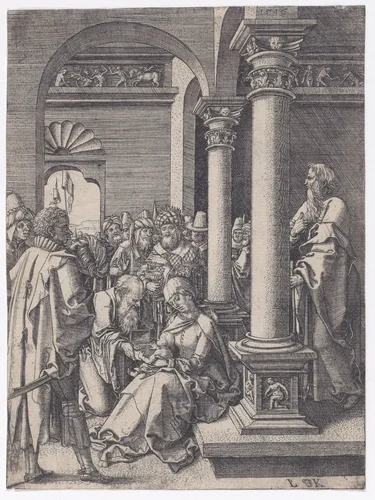
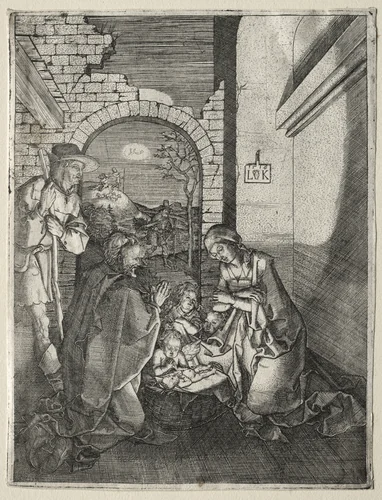
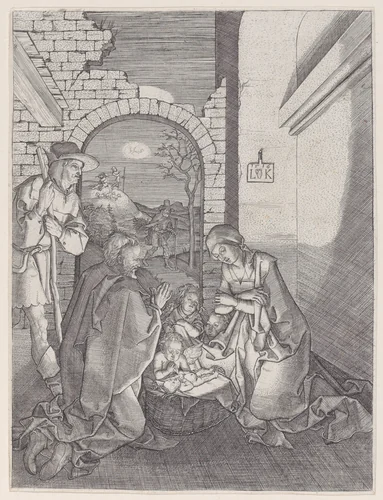
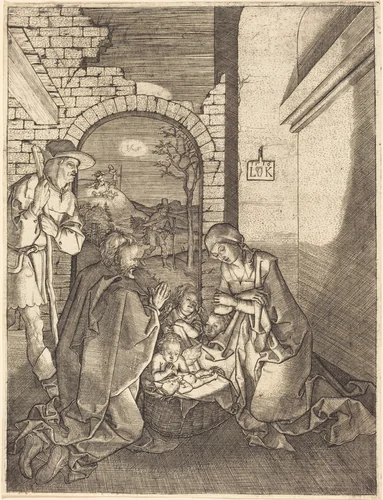
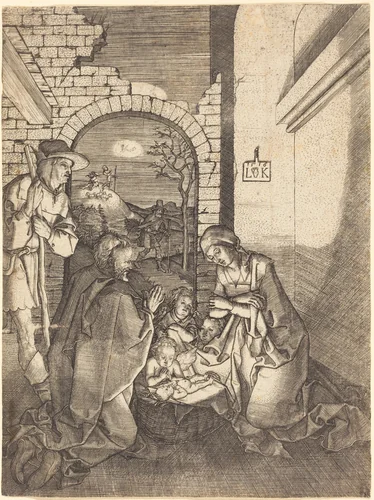
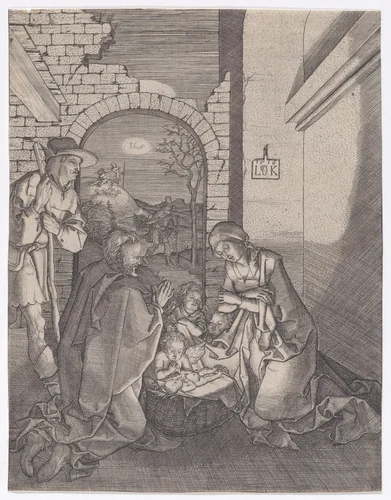
While much of his substantial sculptural and original goldsmith work has been lost, dispersed, or exists only in documentary evidence, Krug’s enduring artistic legacy is often measured through his small but influential output of prints. Known to have produced approximately fifteen distinct engravings during his career, these works display an impeccable command of line and tone, characteristic of the best northern European printmakers of the era. Pieces ranging from the deeply devotional image Saint John to the detailed decorative motif Shield with Mascaron demonstrate his sophisticated facility for shifting styles, proving he was equally adept at conveying spiritual intensity and powerful decorative strength.
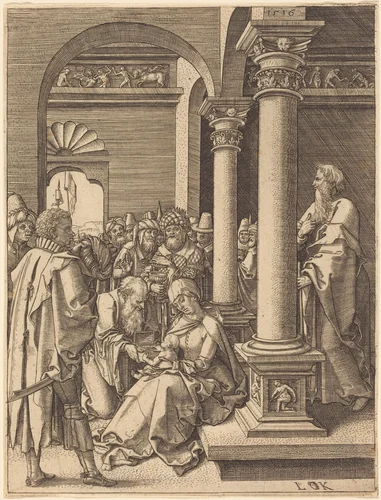
Krug’s approach to engraving gave his works a distinctly museum-quality finish, even when depicting complex narrative scenes such as The Adoration of the Magi. Unlike many of his contemporaries who focused heavily on the looser medium of woodcut production, Krug preferred the clarity and detail afforded by the copper plate. It is perhaps a minor irony of art history that this master of precious metalwork is now best known for his relatively small corpus of paper creations. These crucial examples of Ludwig Krug prints served as important visual records of the period.
Today, these influential works are held in the permanent collections of major institutions globally, including the National Gallery of Art, the Cleveland Museum of Art, and the Art Institute of Chicago. Krug’s active period spanned critical stylistic developments in Nuremberg, and his technical excellence had a discernible influence on the next generation of German artisans. Fortunately for researchers and collectors, many of these pivotal prints are now in the public domain, making high-quality prints and downloadable artwork accessible for study and appreciation worldwide.
Source: Wikipedia · CC BY-SA 4.0