Ludwig Emil Grimm
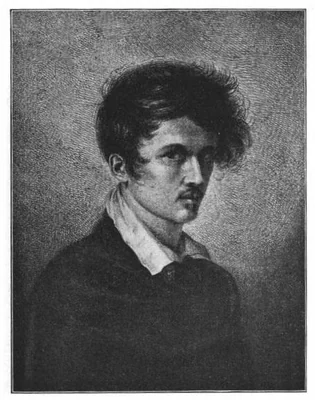
Ludwig Emil Grimm (1790-1863) holds a significant, if often overshadowed, position within early 19th-century German visual culture. Active primarily between 1800 and 1845, Grimm was a versatile and professionally established figure recognized as a painter, art professor, etcher, and copper engraver. He focused his prodigious technical skill on portraiture and the rigorous demands of graphic art, carving out a serious academic career that culminated in his role as a professor instructing the next generation of German draftsmen.
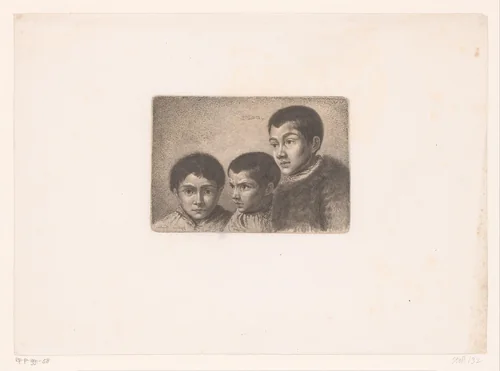
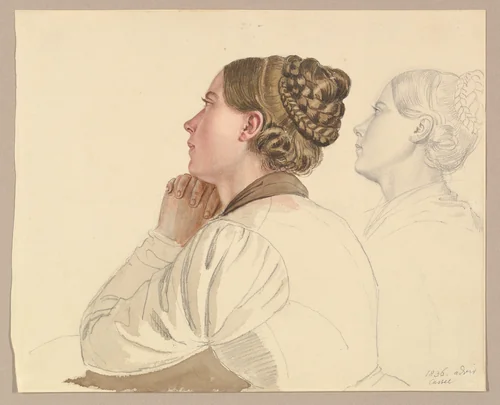
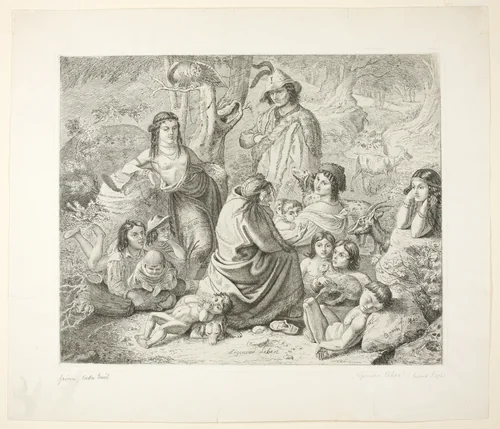
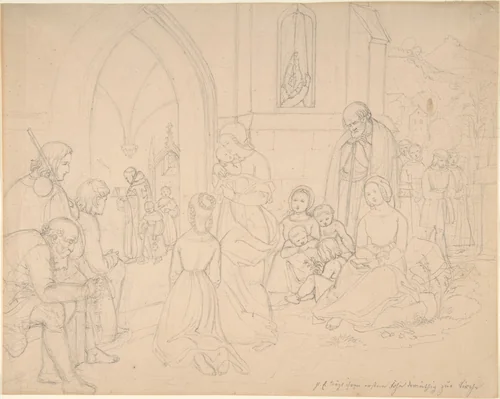
Grimm specialized in media requiring precise execution, namely etching and engraving, which allowed him to capture the nuanced character of his subjects with meticulous clarity. His surviving body of work, housed in major international repositories including the National Gallery of Art, the Rijksmuseum, and the Metropolitan Museum of Art, reflects a focus on preparatory studies and detailed portrait commissions. Works such as Schetsmatige figuren (Sketchy Figures) and the evocative Studies of a Woman Praying demonstrate his mastery of line and preparatory composition. These studies often served as the foundation for finished copper plate works that were designed to disseminate the likenesses of prominent contemporary figures.
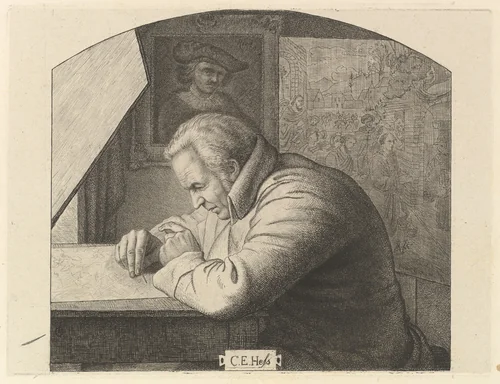
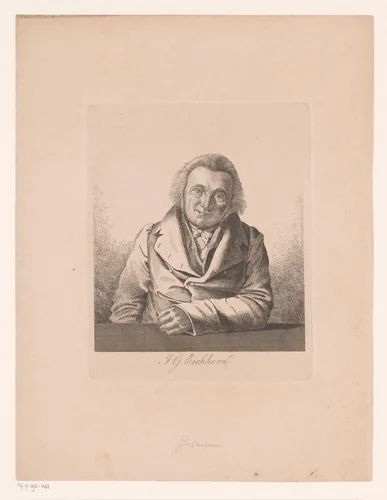
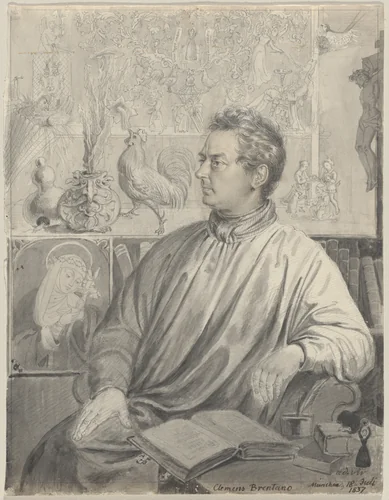
His portfolio is rich with portraits of fellow artists and intellectual leaders. The print of Carl Ernst Christoph Hess is an excellent example of the formal accuracy and delicate handling that defined his graphic approach. Similarly, his rendering of Portret van Johann Gottfried Eichhorn showcases the prevailing visual culture of academic reverence. Though Grimm was a capable painter, his enduring artistic legacy rests largely on the detailed precision of his graphic works.
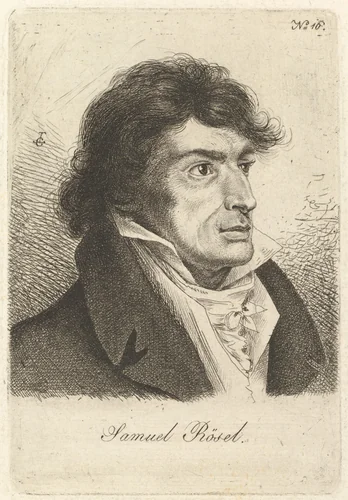
It is interesting to note that Grimm often served as the visual chronicler for his famed literary siblings, Jacob and Wilhelm, and their intellectual circle, ensuring the preservation of the faces that defined German Romanticism and philology. Printmaking afforded his oeuvre a broader circulation, distinguishing him from artists reliant solely on singular canvases. Today, many of his highly detailed studies and prints, such as Portrait of Johann Gottlieb Samuel Rösel, reside in the public domain. This accessibility means that high-quality prints derived from his copper plates continue to provide intimate visual access to the scholarly and civic world of the 19th century, cementing his role not just as an artist, but as a crucial documentarian of his era.
Source: Wikipedia · CC BY-SA 4.0