Ludovico Mattioli
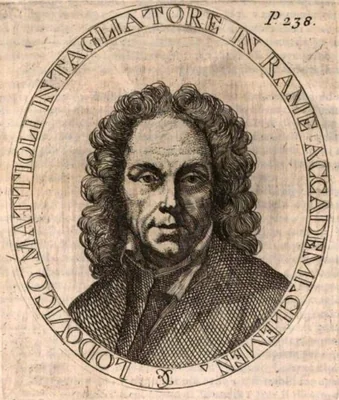
Ludovico Mattioli (1662-1747) was an Italian master whose artistic output was defined by a sophisticated duality, navigating successfully between the demands of panel painting and the widespread accessibility of the engraved line. Active for over eighty years, Mattioli’s long career bridged the artistic gap between the dramatic zenith of the Italian Baroque and the lighter, more ornamental sensitivities of the nascent Rococo era. While historical records confirm his competence as a painter, his significant, lasting contribution to art history is solidified by his prolific production of Ludovico Mattioli prints.
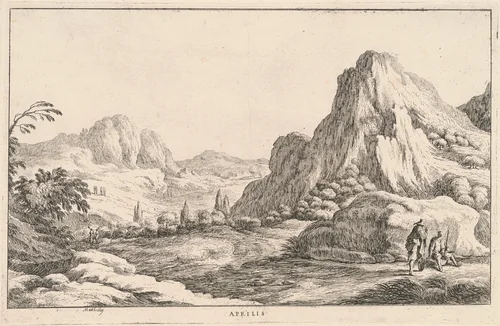
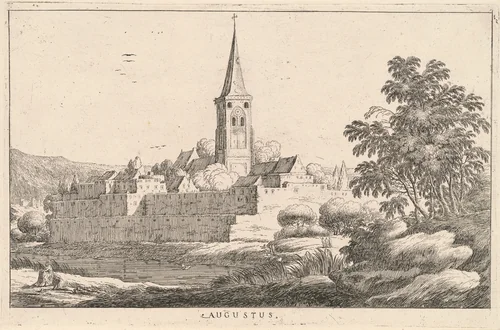
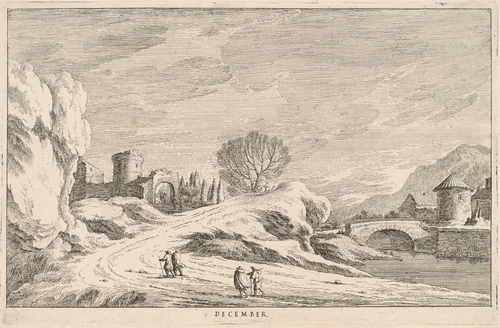
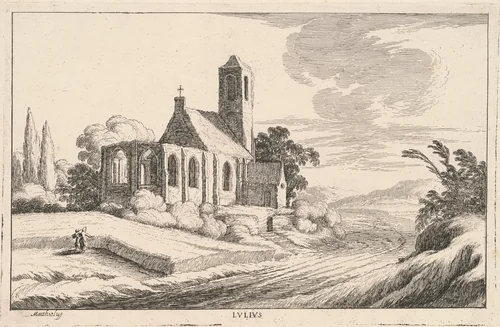
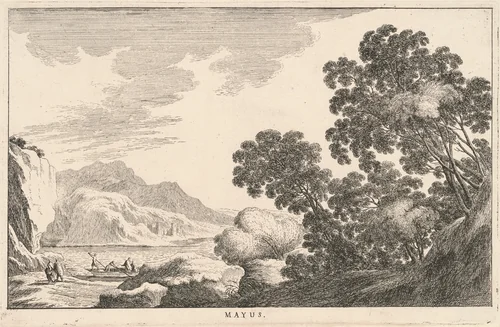
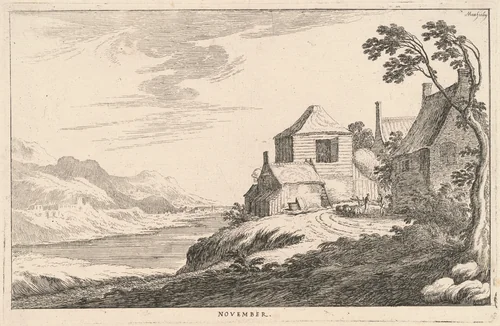
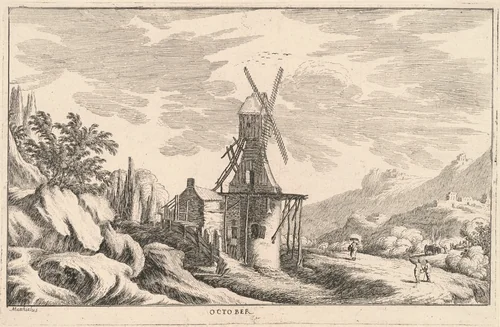
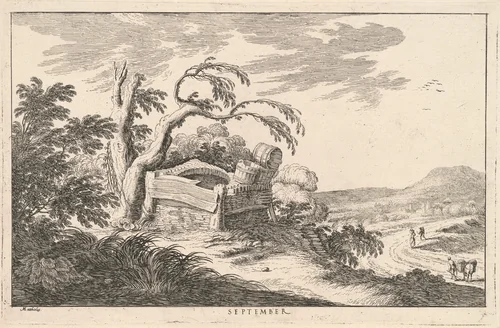
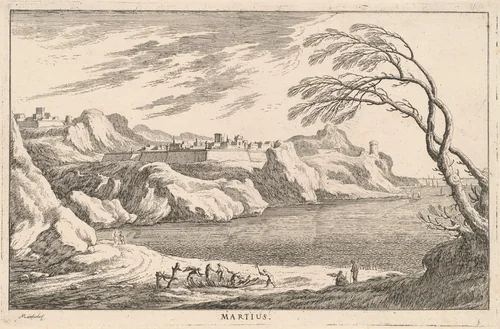
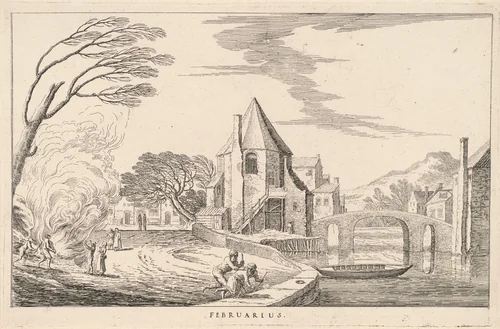
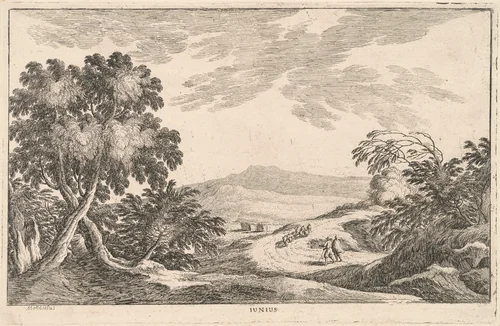
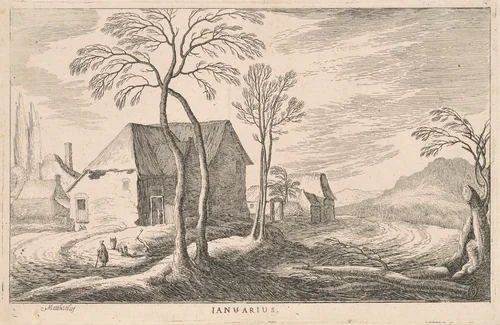
His works, often found today in major institutions such as the National Gallery of Art, underscore his proficiency in etching and engraving, media that allowed for systematic, detailed visual projects. Mattioli’s most comprehensive known undertaking was a substantial cycle representing the months of the year, demonstrating a meticulous approach to both classical allegory and seasonal observation. Surviving plates from this series, including Aprilis (April), Mayus (May), and the stately Augustus, reveal an engraver dedicated to clear composition and narrative clarity. The completion of such a volume, which required the sustained execution of twelve separate but thematically linked images, suggests a pragmatic consistency and admirable discipline rare among his contemporaries—a commitment required to depict the full cycle of the year, regardless of whether Lulius (July) proved more challenging to interpret than December.
Mattioli’s specialization in reproducible imagery meant that his work circulated widely across Europe, solidifying his role in the dissemination of high-quality prints and contemporary iconography. His reliance on this medium ensured that his visual ideas found broad appeal, catering to collectors and those seeking affordable, detailed artistry.
Today, Mattioli’s legacy benefits from renewed accessibility. The museum-quality collection of his surviving plates offers valuable insight into late 17th-century printmaking practice. As many of his major compositions have entered the public domain, the precise detail and craftsmanship inherent in his engravings are easily available as downloadable artwork, ensuring that the influence of this foundational Italian engraver continues to resonate with scholars and enthusiasts alike.
Source: Wikipedia · CC BY-SA 4.0